Sourdough Discard Crispy Chickpea Buddha Bowl Bread
A rustic, nutrient-dense flatbread built from sourdough discard, studded with crispy turmeric-roasted chickpeas, toasted sesame seeds, and scallions. The dough is tender and tangy, with a golden, slightly crispy exterior. Perfect for lunch bowls, grain salads, or as a vehicle for hummus and roasted vegetables. Makes two generous flatbreads.
- Prep
- 20 min
- Cook
- 25 min
- Wait
- 1 hr 30 min
- Total
- 2 hr 15 min
- Makes
- 2 flatbreads (4–6 servings as a component)
Steps
Before you start
- Have active sourdough discard at room temperature (fed within the last 4–6 hours)
- Drain and pat-dry the canned chickpeas thoroughly—moisture prevents crisping
- Preheat oven to 400°F (200°C) for the chickpeas and flatbread baking
- Read through the recipe; the bulk rise takes about 1.5 hours total
Roast the chickpeasOven 400°F / 205°C
- Preheat your oven to 400°F (200°C).
- In a small bowl, whisk together olive oil, turmeric, cumin, garlic powder, chili flakes (if using), black pepper, and salt.
- Add the drained, dried chickpeas and toss until evenly coated.
- Spread on one prepared baking sheet in a single layer.
- Roast for 18–20 minutes, shaking the pan halfway through, until the chickpeas are deep golden and crispy when cracked open.
- Set aside to cool slightly.
+ Show details− Hide details
Ready when: Chickpeas are golden-brown and crisp to the bite
Tip: Do not skip drying the chickpeas—even a little moisture prevents proper crisping. If they seem soft after cooling, return them to the oven for 2–3 more minutes.
Mix the dough
- In a medium bowl, combine the room-temperature sourdough discard, flour, salt, and olive oil.
- Add the lukewarm water gradually, stirring with a fork or rubber spatula until all flour is incorporated and you have a shaggy, slightly sticky dough.
- Do not knead; the dough should hold together but not be smooth.
+ Show details− Hide details
Ready when: All flour is hydrated and dough is shaggy and slightly sticky
Tip: Avoid over-mixing; minimal mixing keeps the crumb open and tender. If the dough feels very wet, flour your work surface sparingly as you work.
First bulk rise
- Cover the bowl loosely with a kitchen towel or plastic wrap.
- Let the dough rest at room temperature (68–72°F / 20–22°C) for 45 minutes to 1 hour.
- The dough will increase slightly in volume and develop some bubbles on the surface, though sourdough discard doughs rise more gently than those with commercial yeast.
+ Show details− Hide details
Ready when: Dough has grown by about 25–30%, with visible bubbles on the surface
Tip: Room temperature matters; a cooler kitchen will extend rising time. If your house is warm (75°F / 24°C or higher), start checking at 35 minutes.
Fold in chickpeas and scallions
- Transfer the dough to a lightly floured surface.
- Gently flatten it into a rough rectangle.
- Scatter the cooled crispy chickpeas and three-quarters of the sliced scallions over the dough, leaving a 1-inch border on all sides.
- Using a bench scraper or your hands, fold the dough over itself 2–3 times, incorporating the chickpeas and scallions.
- The dough should remain slightly sticky and cohesive, not smooth.
+ Show details− Hide details
Ready when: Chickpeas and scallions are loosely distributed throughout the dough
Tip: Do not overwork the dough; fold gently to keep the crumb open. Some chickpeas may break, which is fine—they add texture.
Shape into two flatbreads
- Divide the dough in half.
- On a piece of parchment paper, gently stretch one piece into a rough rectangle or free-form oval about 6×9 inches (15×23 cm) and ½ inch (1.25 cm) thick.
- Repeat with the second piece on another sheet of parchment.
- The dough will be slightly sticky and rustic; that is intentional.
+ Show details− Hide details
Ready when: Two flatbreads shaped and roughly even in thickness
Tip: Do not overstretch; if the dough resists, let it rest for 5 minutes and then continue shaping. Use wet hands to minimize sticking.
Final proof and dimple
- Cover both pieces loosely with kitchen towels or plastic wrap.
- Let them rise at room temperature for 30–40 minutes.
- The flatbreads should puff slightly and feel airy when poked.
- About 5 minutes before baking, use your fingertips to gently dimple the surface of each flatbread, creating shallow indentations that prevent large bubbles from forming while baking.
+ Show details− Hide details
Ready when: Flatbreads have puffed slightly and springs back slowly when poked
Tip: Dimpling is crucial for even browning and texture; do not skip this step. Press gently—you want to shape, not deflate.
Prepare baking and toast sesame seedsOven 425°F / 220°C
- Place your second baking sheet in the oven and preheat to 425°F (220°C).
- While the oven comes to temperature, toast the sesame seeds in a dry skillet over medium heat for 2–3 minutes, stirring frequently, until fragrant and light golden.
- Transfer to a small plate and set aside.
- Reserve the remaining sliced scallions for garnish.
+ Show details− Hide details
Ready when: Sesame seeds are fragrant and light golden
Tip: Toast seeds in a dry pan without oil to concentrate their nutty flavor. Watch closely to avoid burning, which happens fast.
Bake the flatbreadsOven 425°F / 220°C
- Carefully transfer one parchment-lined flatbread to the preheated baking sheet (keep it on the parchment).
- Bake at 425°F (220°C) for 12–15 minutes until the flatbread is golden brown on top and bottom and the edges are crispy.
- The surface should have some charred spots and smell toasty.
- Remove from the oven and repeat with the second flatbread on a fresh baking sheet, baking it the same way while you garnish the first.
+ Show details− Hide details
Ready when: Top and bottom are golden to deep brown, edges are crispy, interior is set when pressed
Tip: If baking both simultaneously on separate racks, rotate the sheets halfway through. Watch for uneven browning and adjust if necessary.
Finish and serve
- As each flatbread comes out of the oven, transfer it to a cutting board or serving plate.
- Brush lightly with a drizzle of olive oil (if using).
- Scatter the toasted sesame seeds, reserved scallions, and optional fleur de sel over the top.
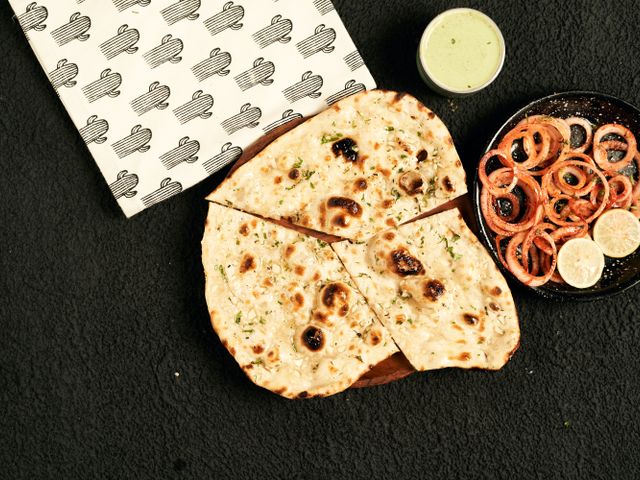
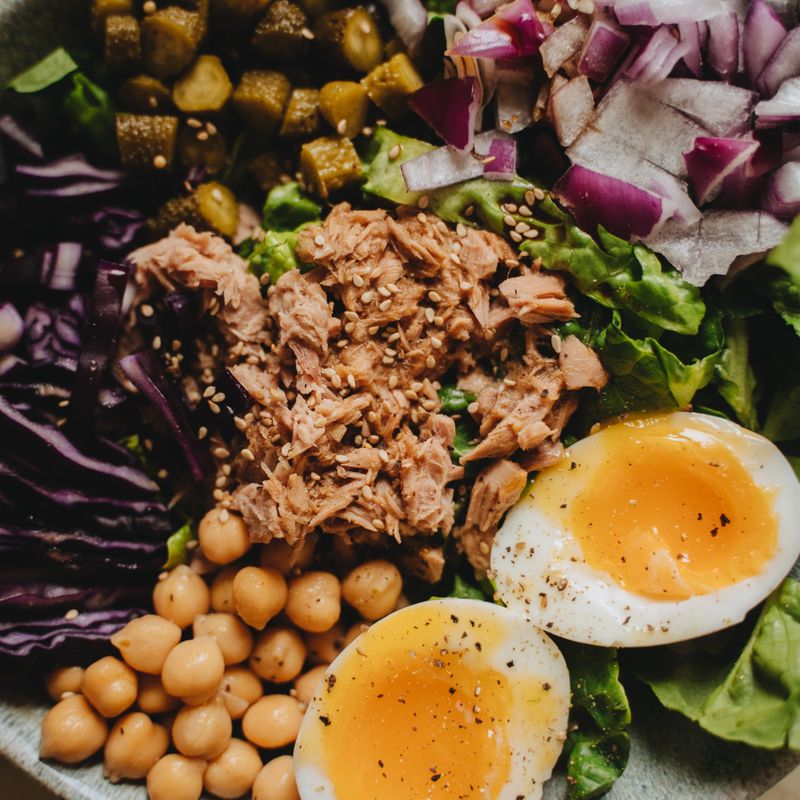
- Serve warm, as is, or slice and use as a base for a Buddha bowl (hummus, roasted vegetables, greens, tahini sauce).
+ Show details− Hide details
Ready when: Flatbread is garnished and ready to serve
Tip: Sesame seeds and fresh scallions applied right after baking adhere better and taste fresher. Serve within 10 minutes of baking for the crispiest texture.
Good to know
Tips
- Active sourdough discard is key: if your discard is sluggish or refrigerated, the dough will rise very slowly. Use discard that is bubbly and at room temperature for predictable timing.
- Do not skip the thorough drying of canned chickpeas. Pat them with paper towels multiple times; excess moisture prevents the crispy, shattered texture that makes this flatbread special.
- The dough will feel sticky and rustic throughout—this is intentional and creates a tender, open crumb. Resist the urge to add too much flour. Wet hands or a bench scraper are your friends.
- Serve these flatbreads warm and within an hour of baking for the crispiest edges. They soften as they cool but remain delicious, and reheat beautifully.
Make ahead
Sourdough discard can be used straight from the fridge without feeding, but for best flavor and rise, use discard that has been fed 4–6 hours ahead. You can also refrigerate the shaped, dimpled flatbreads for up to 12 hours before baking; add 5–8 minutes to the bake time, as they will be chilled.
Storage & reheating
Room temperature (airtight container or wrapped in a kitchen towel): up to 2 days, though best eaten the day it is baked. Refrigerator (sealed container): up to 4 days; reheat in a 350°F (175°C) oven for 5–7 minutes or in a dry skillet over medium-low heat for 3–4 minutes until warm and re-crisped. Freezer (wrapped individually in plastic wrap and foil): up to 1 month; thaw and reheat as for the refrigerator, adding 2–3 minutes to the time.
Substitutions
- canned chickpeas, drained and patted dry → Roasted white beans (cannellini) or roasted lentils. Use the same weight and spice treatment; beans will have a milder flavor, lentils a slightly earthier taste.
- ground turmeric → Ground coriander or smoked paprika. Coriander will give a warmer spice note, paprika a smokier depth. Use the same amount.
- scallions (green onions) → Fresh cilantro, dill, or Italian parsley (finely chopped). Herbs add a different freshness; use half the amount by volume, as fresh herbs are more pungent.
- raw sesame seeds (white and/or black) → Pumpkin seeds (pepitas) or a mix of sunflower and hemp seeds. Pumpkin seeds will brown darker and add a nuttier, earthy flavor; hemp seeds add a softer texture and mild nuttiness.