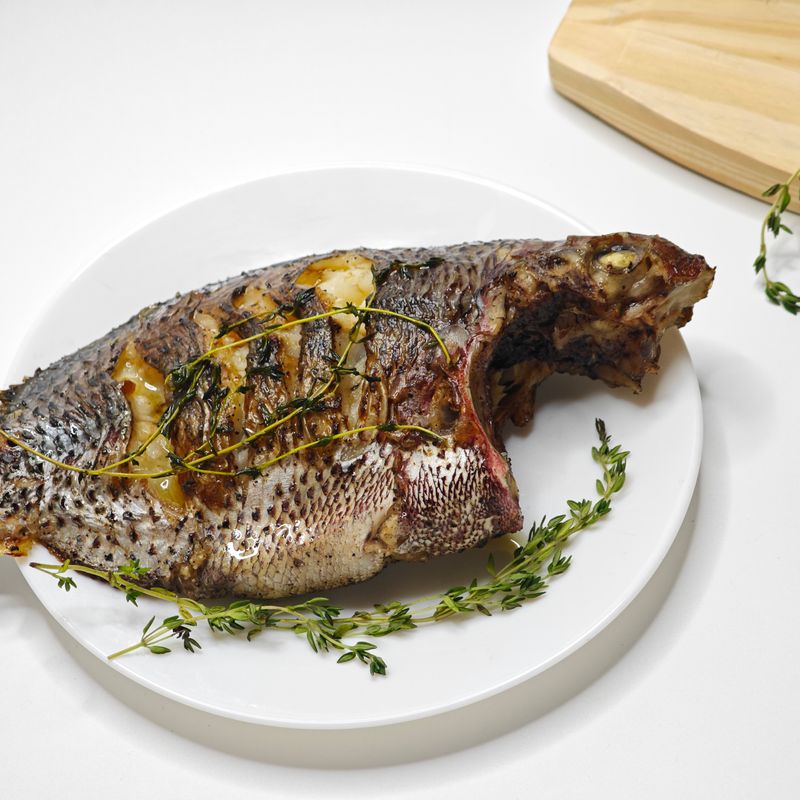
Slow Cooker White Wine Thyme Oil
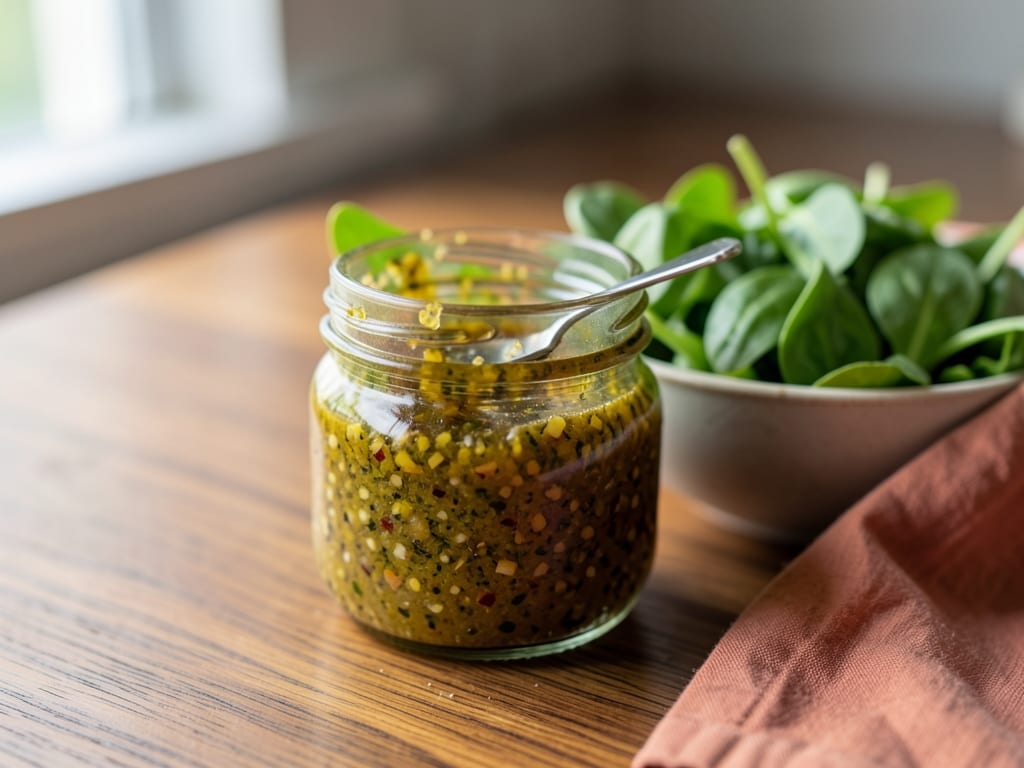
A silky infused oil dressing with white wine, fresh thyme, and shallots, developed over hours in the slow cooker. The gentle heat melds the flavors into a sophisticated vinaigrette perfect for salads, roasted vegetables, or finishing grilled fish. The result is a fragrant, complex oil that tastes like it came from a French bistro kitchen.
- Prep
- 15 min
- Cook
- —
- Wait
- 4 hr
- Total
- 4 hr 15 min
- Makes
- 1 cup (240 ml) dressing
Steps
Before you start
- Use a 2-quart slow cooker
- Have fresh thyme sprigs (not dried) for best flavor
- Use good-quality extra-virgin olive oil
- Read through the infusion time—this develops flavor slowly over 4 hours
Add wine and aromatics
- Pour the white wine and white wine vinegar into your 2-quart slow cooker.
- Add the sliced shallots, bruised thyme sprigs, and smashed garlic cloves.
- Stir gently to combine.
- These ingredients will infuse over time, building the flavor base.
+ Show details− Hide details
Tip: Bruise the thyme gently by rolling it between your palms—this releases oils without destroying the leaves.
Slow-cook the infusion
- Cover the slow cooker and set it to LOW.
- Let the wine, vinegar, and aromatics infuse for 4 hours.
- The mixture should remain warm but not hot; you want gentle extraction, not cooking off the delicate flavors.
- The kitchen will smell increasingly fragrant as the herbs and shallots steep.
+ Show details− Hide details
Ready when: The liquid is fragrant, shallots are translucent, and thyme has softened
Tip: Do not turn the heat higher or the thyme will become bitter and the wine flavor will flatten.
Strain the infusion
- Turn off the slow cooker.
- Carefully pour the contents through a fine-mesh strainer lined with cheesecloth into a medium bowl, pressing gently on the solids to extract all the liquid (about 1½ cups / 360 ml total).
- Discard the solids.
- Let the strained liquid cool to room temperature, about 15 minutes.
+ Show details− Hide details
Ready when: The liquid is cool to the touch and clear amber in color
Tip: Don't squeeze the solids too hard or you'll cloud the oil with sediment; a gentle press is enough.
Build the emulsion
- In a small bowl, whisk together the Dijon mustard with 2 tablespoons (30 ml) of the cooled infusion until smooth.
- This acts as an emulsifier.
- Slowly drizzle in the extra-virgin olive oil while whisking constantly, adding just a few drops at first, then in a thin stream once it begins to emulsify.
- The mixture will gradually thicken and become creamy.
- Whisk in the remaining infusion (about 1 cup / 240 ml) in a thin stream, maintaining steady whisking to keep the emulsion stable.
- The final dressing should be silky and pourable, not thick.
+ Show details− Hide details
Ready when: The mixture is pale gold, thick enough to coat the back of a spoon lightly, and drips slowly from the whisk
Tip: If the emulsion breaks (looks greasy or separated), start fresh with 1 teaspoon mustard in a clean bowl, and slowly whisk in the broken mixture as if it were oil—it will re-emulsify.
Season and finish
- Taste the dressing and season with sea salt and freshly ground black pepper to your preference.
- If desired, whisk in the optional honey to add a whisper of sweetness that balances the acidity and herbal notes.
- Transfer to a clean glass jar or bottle, seal, and refrigerate.
+ Show details− Hide details
Ready when: The dressing is well-seasoned and tastes balanced between herbaceous, acidic, and rich
Tip: Taste on a piece of the greens or vegetable you plan to dress—the flavors will seem more pronounced when mixed in.
Good to know
Tips
- Use good-quality dry white wine—a wine you'd drink. Avoid anything labeled 'cooking wine' with added salt. Sauvignon Blanc and Pinot Grigio work beautifully.
- Fresh thyme is essential; dried thyme becomes dusty and bitter in slow cooking. If you only have dried thyme, reduce to 2 tablespoons and infuse for only 2 hours.
- The emulsion is delicate: always whisk the mustard and oil together at room temperature, and add oil very slowly at first. Room temperature ingredients emulsify more smoothly than cold ones.
- This dressing shines on warm roasted vegetables, grilled white fish, butter lettuce, or endive. Use about 3 tablespoons per person as a salad dressing, or 2 tablespoons drizzled over finished plates as a vinaigrette.
Make ahead
Make this dressing up to 3 days ahead. Infuse in the slow cooker, strain, cool completely, then emulsify and refrigerate in a sealed jar. The flavors deepen after 24 hours.
Storage & reheating
Room temperature (sealed, away from light): up to 8 hours. Refrigerator: up to 1 week in a glass jar. The emulsion may separate slightly when cold—whisk or shake well before each use. Do not freeze (the emulsion will break). To serve, bring to room temperature or shake vigorously to re-emulsify.
Substitutions
- fresh thyme sprigs → fresh rosemary (same amount) or a mix of fresh tarragon and chervil (⅓ cup total). Rosemary is more assertive; tarragon and chervil are more delicate. Adjust quantities if using both herbs—⅓ cup total is enough.
- dry white wine → dry vermouth or sauvignon blanc. Vermouth adds a subtle botanical depth; sauvignon blanc brings fresher citrus notes. Keep the same amount.
- Dijon mustard → 1 egg yolk at room temperature. An egg yolk is a traditional emulsifier and creates a richer, more luxurious dressing. Note: Raw egg poses food safety risk for vulnerable populations; use pasteurized eggs if serving to young children, pregnant people, or immunocompromised guests.
- extra-virgin olive oil → 50% olive oil + 50% neutral oil (avocado or grapeseed). This produces a lighter dressing with less assertive olive flavor, useful if you prefer subtlety or are pairing with delicate greens.
More dressings
See all →


Find more like this
- Cuisine
- French
- Method
- Slow Cooker