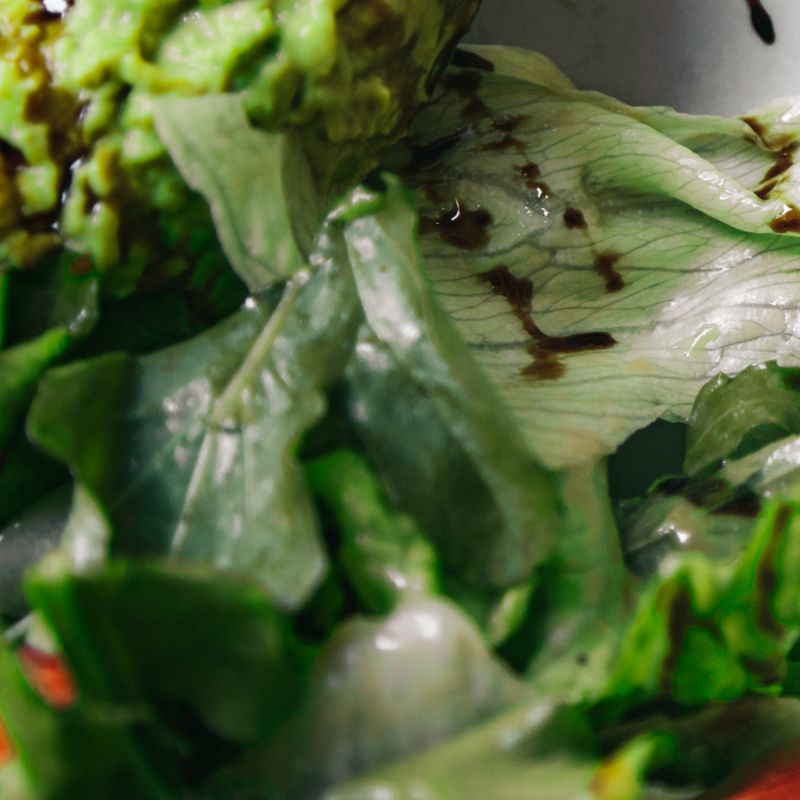
Slow Cooker Balsamic Fig Dressing
A silky, deeply flavored Italian vinaigrette built on slow-cooked figs and aged balsamic vinegar. The extended cooking time allows the figs to break down into a natural emulsion while the vinegar and red wine reduce into a glossy glaze. Garlic and rosemary deepen the savory notes, creating a dressing elegant enough for roasted vegetables, cheese boards, or grilled meats, yet simple enough to make ahead and keep on hand.
- Prep
- 10 min
- Cook
- 3 hr
- Wait
- 15 min
- Total
- 3 hr 25 min
- Makes
- 1 cup (240 ml)
Steps
Before you start
- Measure all ingredients before starting—slow-cooker recipes require no mid-cook adjustments
- Use a 2-quart (2-liter) slow cooker; smaller models may cause over-reduction
- If figs are very hard, soak them in warm water for 5 minutes to soften slightly
Combine base ingredients
- Place the halved dried figs, balsamic vinegar, red wine, crushed garlic, and rosemary sprigs into your 2-quart (2-liter) slow cooker.
- Stir once to combine.
- The mixture should be mostly liquid with the figs floating or settling.
+ Show details− Hide details
Tip: Do not add olive oil yet; it will be incorporated after reduction so it doesn't separate during the long cook.
Cook on low until reduced
- Cover the slow cooker and cook on low for 3 hours (180 minutes).
- The mixture will gradually reduce by about half, the figs will soften completely and begin to break apart, and the liquid will deepen in color and intensity.
- Do not stir during cooking; the figs will naturally break down.
+ Show details− Hide details
Ready when: Liquid is reduced by about half, glossy and dark brown; figs have nearly dissolved into the liquid
Tip: If your slow cooker runs very hot, check at the 2.5-hour mark—some models may reduce faster and risk scorching.
Cool and strain
- Turn off the slow cooker and let the mixture cool for 15 minutes.
- Pour the contents through a fine-mesh strainer set over a bowl, pressing gently on the soft figs with the back of a spoon to extract all liquid and pulp.
- Discard the rosemary sprigs and any tough fig pieces.
- You should have about 1 cup (240 ml) of dark, thick liquid.
+ Show details− Hide details
Ready when: All figs have passed through the strainer or been pressed to pulp; strained liquid is glossy and syrupy
Tip: Don't discard the garlic pieces—they've softened into the liquid and add depth. Press the figs gently; aggressive squeezing tears fiber and clouds the dressing.
Whisk in olive oil and season
- Pour the strained fig-balsamic reduction into a bowl or jar.
- While whisking slowly and steadily, add the extra-virgin olive oil in a thin stream to emulsify the dressing.
- Once the oil is fully incorporated, the mixture should look glossy and slightly thickened.
- Taste and season with sea salt and freshly ground black pepper to balance the sweetness and acidity.
+ Show details− Hide details
Ready when: Dressing is uniform, glossy, and slightly thickened; no visible oil separation
Tip: Add the oil slowly while whisking to create an emulsion; rushing will break the mixture. If it looks thin and separated after adding oil, continue whisking vigorously for 1–2 minutes.
Good to know
Tips
- This dressing is thick and syrupy—drizzle it, don't pour it. Pair it with roasted root vegetables, grilled fish, bitter greens, creamy burrata, or aged cheeses.
- For a thinner vinaigrette (suitable for tossing green salads), whisk in 2–3 tablespoons (30–45 ml) more olive oil or red wine after straining.
- Slow cookers vary in heat output; if your dressing is too thin after 3 hours, switch to high for the last 30 minutes, or simmer it gently in a saucepan on the stove.
- If the dressing breaks or looks separated in the jar, it's just the oil rising. Shake or whisk vigorously before serving, or slowly whisk it back together in a clean bowl.
Make ahead
Yes. Make this dressing up to 5 days ahead and store it covered in the refrigerator. The flavors actually deepen as it sits. If you make a double batch and freeze half (in an airtight container or ice-cube tray), it will keep for up to 3 months. Thaw in the refrigerator overnight before using.
Storage & reheating
Room temperature (1 hour max before serving). Refrigerator: covered glass jar, up to 5 days. Freezer: airtight container, up to 3 months. To use from cold, whisk or shake well before serving; the dressing may thicken slightly when chilled and can be loosened with a teaspoon of red wine or balsamic vinegar if needed.
Substitutions
- dry red wine (Chianti, Pinot Noir, or similar) → Dry white wine or ½ cup (120 ml) additional balsamic vinegar diluted with 3 tablespoons (45 ml) water. White wine will lighten the color and flavor slightly, making it less wine-forward. Extra balsamic will intensify sweetness; adjust salt accordingly.
- dried figs, stems removed → Dried dates (pitted and halved) or 2 tablespoons (30 g) fig jam whisked in at the end. Dates add slightly less complexity but similar sweetness. Fig jam is a quicker alternative if you don't have time to slow-cook; simply warm the vinegar and wine, whisk in the jam, then emulsify with oil.
- fresh rosemary sprigs → 1 sprig fresh thyme and 1 bay leaf, or ½ teaspoon dried Italian herbs. Thyme and bay will be subtler and more savory; dried herbs give less aromatic depth but work in a pinch.
- extra-virgin olive oil → Neutral oil (grapeseed or light avocado oil) for a more delicate finish. Olive oil adds peppery notes that complement the dressing; neutral oil lets the fig and vinegar shine if you prefer a cleaner taste.
More dressings
See all →



Find more like this
- Cuisine
- Italian
- Method
- Slow Cooker