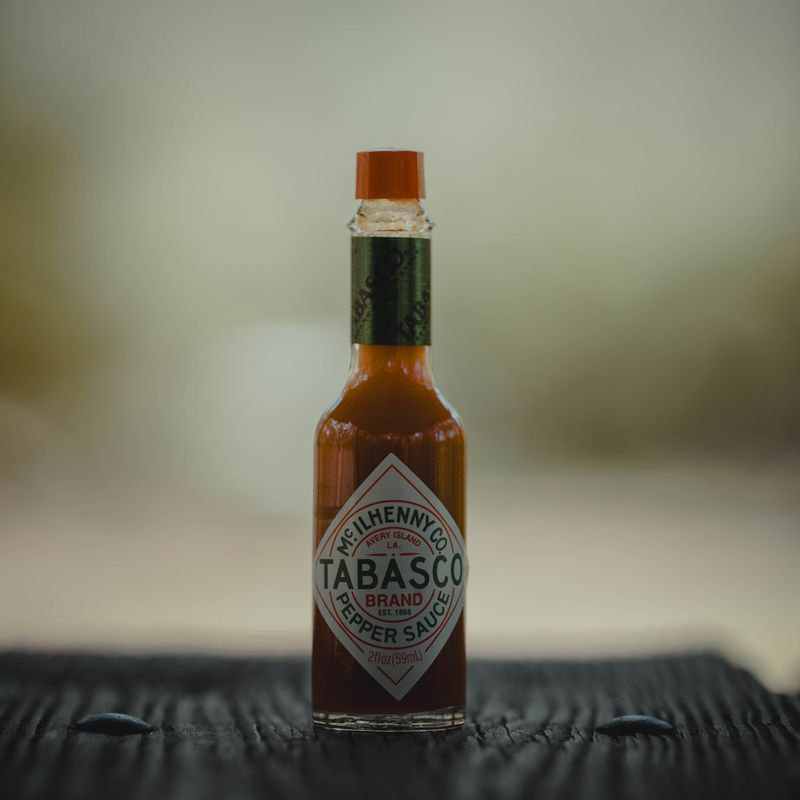
Italian Salsa Rossa (Red Pepper Sauce)
A bright, silky red pepper and tomato sauce from southern Italy, built on roasted red peppers, fresh tomatoes, and aromatic garlic. This versatile condiment is cooked low and slow to meld flavors and soften the peppers into a luxurious paste. Serve warm or at room temperature over pasta, grilled vegetables, polenta, or alongside grilled meats and fish.
Steps
Before you start
- Choose ripe, sweet red peppers with thin skin if possible—they will soften faster and puree more smoothly
- Have fresh basil ready to add at the end; dried basil will lose its fragrance
- Taste the sauce as it cooks; tomatoes vary in acidity and sweetness
Sauté garlic and peppers
- Heat the olive oil in a 3-quart (2.8 L) heavy-bottomed saucepan over medium heat.
- When shimmering, add the minced garlic and cook, stirring often, for 1–2 minutes until fragrant but not brown.
- Add the chopped red peppers and stir gently to coat with oil.
- Let them cook, uncovered, stirring occasionally, for 5–6 minutes to soften slightly and release their juices.
+ Show details− Hide details
Ready when: Peppers are slightly tender and fragrant
Tip: Don't let the garlic brown; it will taste bitter. If you're using fresh peppers that are thick-walled, this softening step is essential before adding the tomatoes.
Add tomatoes and simmer
- Crush the canned tomatoes by hand directly into the pan, including their juice.
- If using the optional fresh tomato, add it now.
- Stir well, then add a pinch of salt, black pepper, and the optional red pepper flakes and sugar.
- Reduce the heat to medium-low and simmer gently, partially covered, for 20–25 minutes, stirring occasionally to prevent sticking on the bottom.
- The sauce should bubble gently at the edges, not aggressively boil.
+ Show details− Hide details
Ready when: Peppers are very soft and have lost their shape; sauce is slightly thickened and the oil begins to separate at the edges
Tip: Stir every 5–6 minutes to ensure the sauce doesn't scorch on the bottom. The peppers should almost disappear into the tomatoes as they break down.
Blend to desired consistency
- Remove the pan from heat and let cool for 2–3 minutes.
- Using an immersion blender, blend the sauce to your preferred consistency—leave it slightly chunky for a rustic texture, or blend until nearly smooth for a silky sauce.
- If you prefer a very fine, uniform texture, pass the sauce through a fine-mesh strainer, pressing the solids with the back of a wooden spoon to extract all flavor.
+ Show details− Hide details
Ready when: Sauce is the texture you prefer, with no large chunks of pepper
Tip: If you don't have an immersion blender, carefully transfer the sauce to a food mill or upright blender in batches, then return to the pan. Don't leave hot sauce in a blender lid-off for more than a few seconds.
Taste, adjust, and finish
- Return the sauce to low heat, if needed, and taste for salt and pepper.
- Tomatoes vary widely in acidity and sweetness; adjust with a touch more salt or a tiny pinch of the optional sugar if the sauce tastes too sharp.
- Tear the fresh basil leaves and stir them in just before serving.
- The sauce is best served warm or at room temperature, so it retains the basil's fresh fragrance.
+ Show details− Hide details
Ready when: Basil is wilted and distributed evenly, and seasoning is balanced—not salty, but flavorful
Tip: Never add basil while the sauce is very hot or for a long time before serving; heat will turn it black and lose its fresh flavor. Tear it by hand rather than chopping to release fewer oils and keep it looking fresh.
Good to know
Tips
- For the freshest, brightest flavor, make this sauce when red peppers are at their peak (late summer through early fall). Out of season, jarred roasted peppers are actually the better choice and will yield a more consistent result.
- If your sauce breaks or separates during reheating, whisk in a tablespoon of cream, a splash of water, or a knob of cold butter to re-emulsify it.
- This sauce freezes beautifully in ice-cube trays; pop out cubes and transfer to a freezer bag for easy portioning to toss with pasta or dollop onto grilled fish.
- In Italy, this sauce is often finished with a drizzle of excellent extra-virgin olive oil and a few torn basil leaves just before serving, which adds both flavor and a professional appearance.
Make ahead
The sauce keeps well and tastes even better the next day as flavors continue to meld. Make it up to 2 days ahead, cool completely, and store in the refrigerator. Reheat gently over medium-low heat, stirring often to prevent scorching. Add fresh basil only after reheating, just before serving.
Storage & reheating
Room temperature (if serving within 2 hours): Cover loosely. Refrigerator (up to 5 days): Cool completely, then transfer to an airtight container. Reheat gently on the stovetop or in the microwave, stirring often. Freezer (up to 3 months): Cool and freeze in an airtight container or ice-cube trays for portioning. Thaw overnight in the refrigerator and reheat gently. The basil should always be added fresh after reheating.
Substitutions
- canned whole peeled tomatoes → 14 ounces (400 g) fresh, ripe tomatoes, cored and chopped. Use only if tomatoes are in season and very ripe. You may need to cook the sauce 3–5 minutes longer to reduce excess liquid. Canned tomatoes are more reliable for year-round consistency.
- red bell peppers, fresh or jarred roasted → 14 ounces (400 g) jarred roasted red peppers, well-drained and chopped. A quick shortcut that still produces an excellent sauce. Choose peppers packed in water or oil (not vinegar, which will throw off the balance). You will skip or greatly reduce the initial cooking step since the peppers are already soft.
- fresh basil leaves → 1 tablespoon fresh flat-leaf parsley, finely chopped, stirred in just before serving. Parsley is milder and earthier but adds a fresh green note. Add 1–2 torn fresh mint leaves if you like a hint of brightness.
- extra-virgin olive oil → 1 tablespoon (15 ml) olive oil plus 2 tablespoons (30 ml) unsalted butter. For a richer, slightly more luxurious sauce. Melt the butter with the olive oil before adding the garlic. This works especially well if you're serving the sauce over pasta.
More sauces
See all →


Find more like this
- Cuisine
- Sicilian
- Method
- Stovetop
- Quick & Easy
- 5 Ingredients or LessEasyBeginner