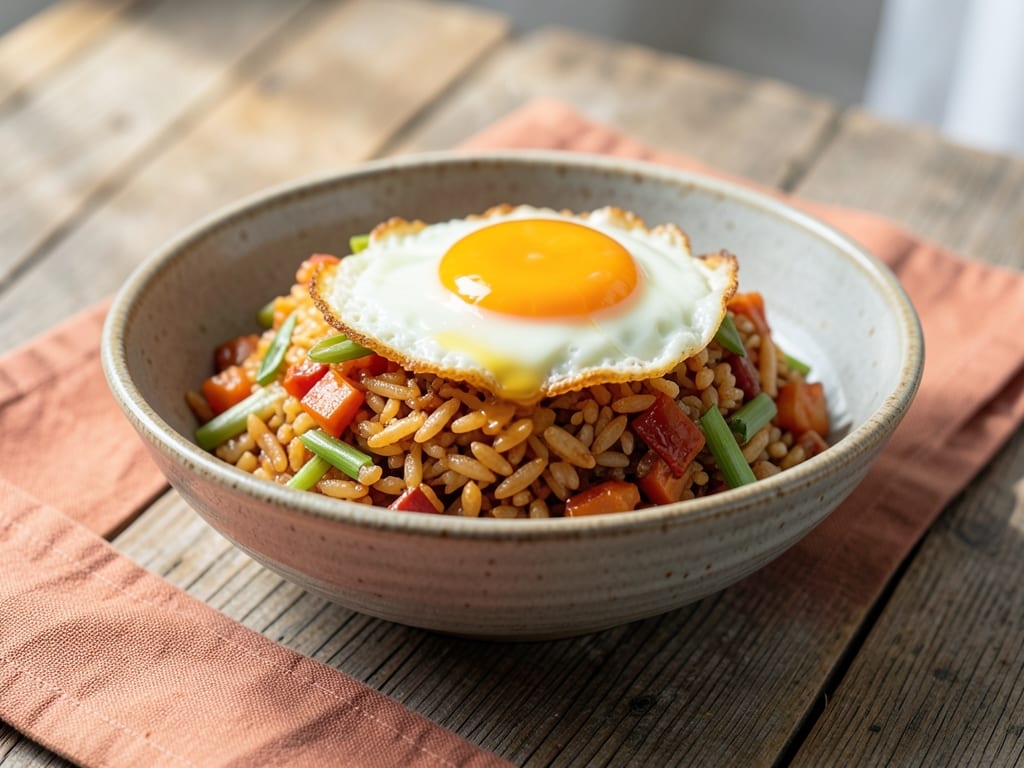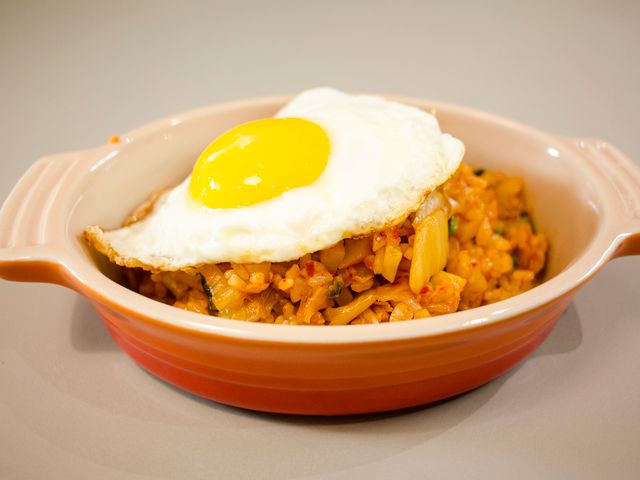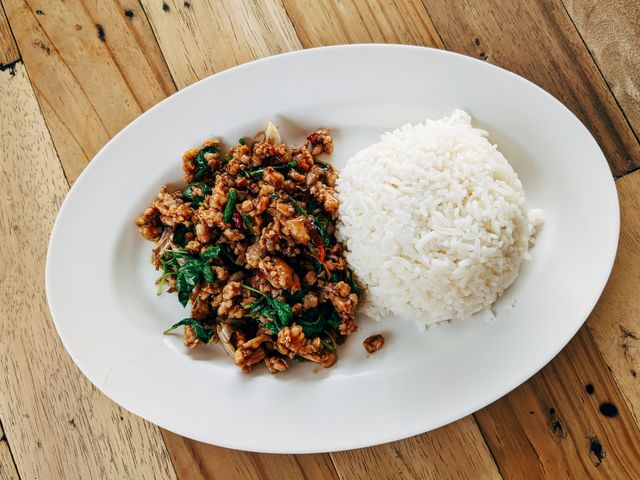
Gochujang Crispy Rice with Kimchi Crunch
A bold, spicy fried rice that brings together the deep savory heat of gochujang with tangy fermented kimchi and crispy, golden rice grains. This Korean-style side dish features a shatteringly crisp bottom layer (the prized socarrat) and is finished with toasted sesame seeds and a drizzle of nutty sesame oil for a complete umami experience.
Steps
Before you start
- Use day-old rice that's been refrigerated (freshly cooked rice will clump and steam rather than crisp)
- Drain the kimchi well and chop it into bite-sized pieces
- Have all ingredients prepped and within arm's reach before you start cooking
Make the seasoning base
- In a small bowl, whisk together the gochujang, sesame oil, soy sauce, sugar, and reserved 2 tablespoons kimchi brine until smooth.
- Set aside.
+ Show details− Hide details
Tip: Combining the seasonings ahead of time ensures even distribution and prevents the gochujang from lumping when it hits the hot pan.
Heat the pan and oil
- Set a 14-inch skillet or large wok over medium-high heat for 2 minutes until it's hot.
- Add 1 tablespoon neutral oil, swirl to coat evenly, and heat until it shimmers and barely smokes—about 1 minute.
+ Show details− Hide details
Ready when: Oil shimmers and just begins to smoke
Tip: A hot pan is essential for crisping the rice—if the pan isn't hot enough, you'll steam the rice instead of frying it.
Toast the rice and aromatics
- Add the remaining 1 tablespoon oil, then immediately pour in the separated rice grains.
- Stir and toss constantly for 2–3 minutes, breaking up any remaining clumps and allowing the rice to turn light golden.
- Add the minced garlic and white scallion parts, stirring constantly for another 30 seconds until fragrant.
+ Show details− Hide details
Ready when: Rice is light golden and fragrant, garlic is fragrant but not brown
Tip: Continuous stirring prevents the rice from sticking or burning. If you hear loud crackling, the heat is too high—lower it slightly.
Add the kimchi and sear
- Add the chopped drained kimchi and 2 tablespoons sesame seeds.
- Stir for 1 minute, then push the rice mixture to the edges of the pan, creating a bare circle in the center.
- Pour the gochujang-sesame oil mixture into the center and let it sit undisturbed for 20–30 seconds, allowing it to warm and develop flavor.
+ Show details− Hide details
Ready when: Sauce is fragrant and begins to bubble slightly
Tip: Letting the paste warm in place before mixing helps it coat the rice more evenly and prevents lumping.
Toss everything together
- Using a wooden spatula or rice paddle, quickly fold and stir the rice, kimchi, and gochujang mixture together, scraping the pan bottom and sides for 2–3 minutes, until all the rice is evenly coated with the red paste.
+ Show details− Hide details
Ready when: Rice is evenly coated with gochujang and most grains are separate
Tip: Scrape the pan frequently to incorporate any flavorful browned bits sticking to the bottom.
Create the crispy bottom layer (socarrat)
- Press the rice mixture down firmly with your spatula, compacting it against the bottom and sides of the pan.
- Stop stirring.
- Reduce the heat to medium and let it cook undisturbed for 3–4 minutes, listening for a gentle crackling or sizzling sound.
- You should smell a nutty, toasted aroma without any burnt smell.
+ Show details− Hide details
Ready when: Gentle crackling sound and toasted aroma; no burnt smell. Bottom layer is golden and crispy when you lift an edge with a spatula.
Tip: Do not stir during this phase—the crust is developing. If you smell burning, reduce the heat slightly. The goal is a shatteringly crisp, not charred, bottom.
Finish and plate
- Transfer the rice to a serving platter or individual bowls, breaking up the crispy bottom layer into chunks.
- Scatter the reserved 1 tablespoon sesame seeds and the dark green scallion slices over the top.
+ Show details− Hide details
Tip: Serve immediately while the rice is hot and the crispy bottom layer is still shatteringly crunchy.
Good to know
Tips
- Day-old refrigerated rice is crucial—warm, freshly cooked rice contains too much moisture and will steam rather than crisp. If you only have warm rice, spread it on a tray, let it cool completely, then refrigerate for at least 1 hour.
- The gochujang-sesame oil mixture is best made just before cooking but can be prepared up to 1 hour ahead and stored at room temperature. Whisk again before using.
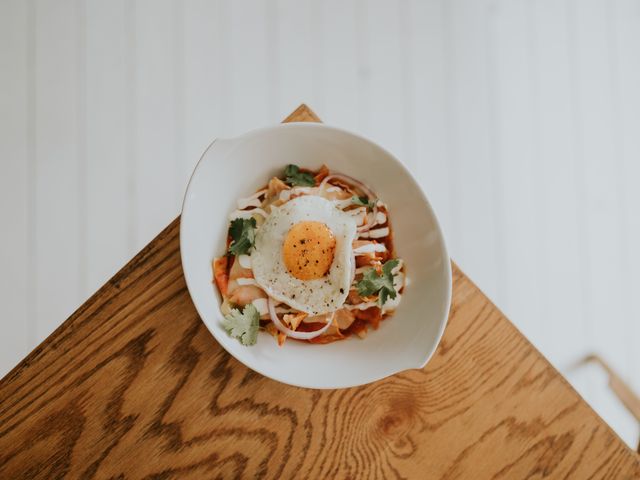
- For extra indulgence, top with a fried egg or a scoop of sesame-scallion butter on top of the hot rice.
- Adjust the heat under the pan during the socarrat step to create a crispy but not charred bottom. Every stovetop is different, so listen for gentle crackling rather than loud popping or burning.
Storage & reheating
Store leftovers in an airtight container in the refrigerator for up to 3 days. To reheat, warm in a skillet over medium heat with a splash of water until warmed through, stirring gently—the crispy layer will soften slightly. Do not microwave, as it will create steam and make the rice soggy.
Substitutions
- gochujang (Korean red chili paste) → sriracha or sambal oelek combined with a pinch of sugar. Use 2 tablespoons sriracha or sambal oelek plus ½ teaspoon sugar. The flavor will be slightly spicier and less funky, lacking gochujang's fermented depth.
- kimchi, drained and chopped → radish pickles (daikon), chopped. Use the same amount. The result will be crunchier and less spicy, so increase the gochujang by ½ tablespoon if desired.
- toasted sesame oil → a neutral oil mixed with a few drops of toasted almond oil. Neutral oil alone will work but lacks the aromatic depth; this blend approximates the toasted nuttiness.
- short-grain white rice → jasmine or sushi rice. Both will work and cook similarly. Avoid long-grain rice, as the individual grains won't cluster and crisp as effectively.