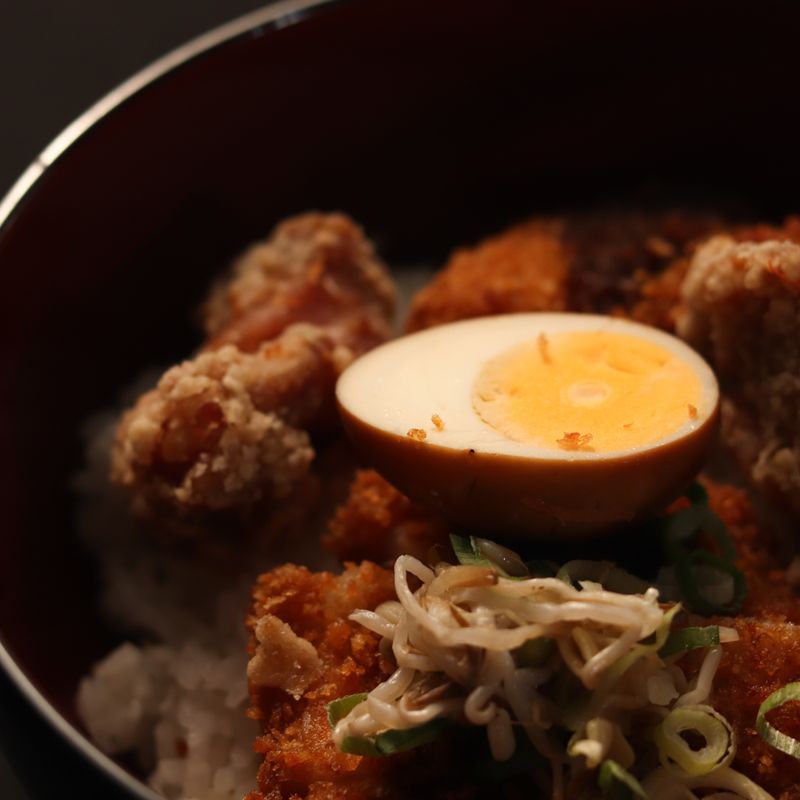
Weeknight Egg Fried Rice with Cabbage and Soy
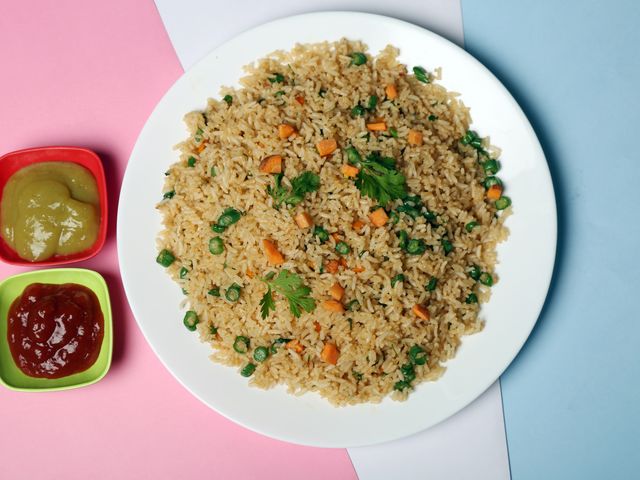
A quick, satisfying stir-fried rice with scrambled eggs, tender cabbage, and savory soy seasoning. Built on cold cooked rice (the key to separate, fluffy grains), this comes together in under 15 minutes. Perfect for using leftover rice and turning simple ingredients into a complete meal.
Steps
Before you start
- Use cold cooked rice—ideally chilled overnight or cooled completely so grains stay separate and don't clump
- Prep all ingredients (mince garlic, slice cabbage, crack eggs) before you start cooking
- Have your wok or large skillet hot and ready; fried rice moves fast
Heat the wok and cook eggs
- Set a 14-inch wok or 12-inch skillet over high heat (6–7 on a stovetop dial).
- When it's very hot (a drop of water should evaporate in 1–2 seconds), add 0.5 tablespoon (7 ml) of neutral oil.
- Pour in the beaten eggs and let them sit for 5–10 seconds, then scramble gently with a spatula, breaking them into small, tender curds—they should remain slightly glossy and soft, not fully cooked.
- Transfer to a clean plate.
- The whole step takes 2–3 minutes.
+ Show details− Hide details
Ready when: Eggs are just set but still slightly wet; curds are small and tender
Tip: Don't fully cook the eggs—they will continue cooking when mixed with the hot rice. Undercooked here means perfect later.
Stir-fry cabbage and garlic
- Add the remaining 2 tablespoons (30 ml) neutral oil to the same hot wok.
- Add the minced garlic and stir constantly for about 20 seconds until fragrant.
- Add the sliced cabbage all at once and stir and toss continuously for 3–4 minutes.
- The cabbage should soften slightly but still have a little crunch and brightness; it will release some liquid.
- Keep the heat high so nothing steams.
+ Show details− Hide details
Ready when: Cabbage is slightly softened and fragrant, retaining a light green color and some firmness
Tip: High, continuous heat is crucial—a lower temperature will cause the cabbage to steam and turn mushy instead of wilting evenly.
Add rice and break up clumps
- Add the 3 cups (570 g) of cold cooked rice to the wok.
- Using your spatula, press and break apart any clumps, working the rice into separate grains as it heats—this takes about 2–3 minutes of active stirring.
- Toss frequently to coat the rice with oil and heat it evenly.
- The rice should become warm and fluffy, not mushy.
+ Show details− Hide details
Ready when: Rice is hot throughout, individual grains are separated and slightly translucent at the edges
Tip: If your rice is clumpy, add it in two batches to avoid over-mixing. Cold rice breaks apart much more easily than room-temperature rice.
Return eggs and add soy sauce
- Reduce heat to medium-high.
- Pour the 3 tablespoons (45 ml) soy sauce evenly over the rice and stir constantly for about 1 minute, making sure the soy sauce coats all the grains and the color becomes golden-brown.
- Return the cooked eggs to the wok and fold them gently through the rice using 3–4 broad sweeping strokes with the spatula—don't overmix or the eggs will break into tiny bits.
+ Show details− Hide details
Ready when: Soy sauce is fully distributed, rice is evenly colored, eggs are folded in and visible
Tip: Don't stir too much once the eggs are in. A gentle fold keeps the egg pieces larger and more satisfying.
Season and finish
- Remove the wok from heat.
- If using sesame oil, drizzle the 0.5 teaspoon (2.5 ml) over the rice and fold once or twice.
- Season to taste with white pepper (start with a pinch and adjust).
- If you're using the sliced scallions, fold in the white and light green parts now, reserving the dark green tops for garnish.
+ Show details− Hide details
Ready when: Sesame aroma is evident, rice is evenly seasoned
Tip: Sesame oil burns easily, so add it off heat. It rounds out the savory soy flavor without overpowering the dish.
Serve
- Divide the fried rice among four bowls.
- Scatter the reserved dark green scallion tops (if using) over each serving.
- Serve immediately while hot.
Good to know
Tips
- Cold rice is your secret weapon: the key difference between fluffy fried rice and mushy, clumpy fried rice. Plan ahead and chill your cooked rice in the refrigerator for at least 2 hours, or ideally overnight. If you're in a rush, spread warm rice on a sheet pan and let it cool at room temperature for 30 minutes, then refrigerate for at least 30 minutes more.
- Keep your wok (or large skillet) very hot and move quickly—fried rice cooks fast and is best served immediately. If you find yourself pausing or searching for an ingredient, your pan temperature drops and the rice begins to steam rather than fry.
- Taste and adjust at the very end: soy sauce is salty, so you may not need extra salt, but white pepper, sesame oil, and even a pinch of sugar can be tweaked to match your preference. A squeeze of fresh lime juice or a dash of vinegar wakes up the flavors if the dish feels flat.
- For extra nutrition or texture, fold in cooked shrimp, diced cooked chicken, or tofu cubes (adding them in Step 4 with the eggs) and consider a handful of frozen peas stirred in at the same time.
Storage & reheating
Store leftovers in an airtight container in the refrigerator for up to 3 days. Reheat in a wok or skillet over medium-high heat with a splash of water or a light drizzle of oil, stirring often for 2–3 minutes until heated through. Do not freeze; the egg texture degrades noticeably after thawing.
Substitutions
- cold cooked short- or medium-grain white rice (day-old or chilled) → Cold cooked jasmine or basmati rice, or even leftover cooked farro or millet if you prefer a chewier texture. Day-old or chilled rice is essential to prevent mushiness. Room-temperature rice will absorb oil and clump more easily.
- napa or green cabbage → Chopped bok choy, broccoli florets, snap peas, or a mix of vegetables; adjust cook time by 1–2 minutes depending on the vegetable's density. Keep the weight roughly the same (about 180 g) to maintain balance. Hardy vegetables like broccoli need the extra minute; tender vegetables like snap peas need less.
- soy sauce (or tamari for gluten-free) → Tamari (for a gluten-free version) or coconut aminos, using the same volume. Coconut aminos is slightly sweeter; taste and adjust pepper as needed.
- neutral cooking oil (vegetable, canola, or peanut) → Peanut oil (adds subtle flavor and handles high heat very well) or vegetable oil. Avoid olive oil—its low smoke point makes it unsuitable for high-heat stir-frying.