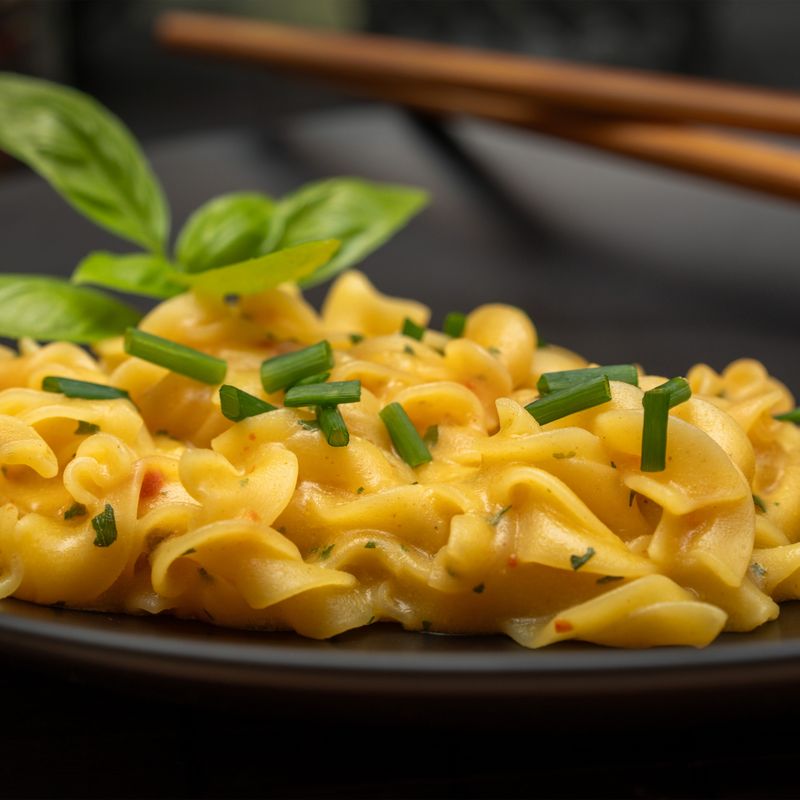
Venetian Pasta e Fagioli
A rustic, warming Italian soup from Venice that combines tender cannellini beans, small ditalini pasta, bright canned tomatoes, and fragrant rosemary in a simple, deeply satisfying broth. Built on a traditional soffritto of onion, carrot, and celery, this one-pot dish is comfort food that's both hearty and light, with a gentle herbal warmth. It tastes even better the next day as flavors meld.
- Prep
- 15 min
- Cook
- 45 min
- Total
- 1 hr
- Makes
- About 8 cups (2 liters), serves 4 as a main course or 6 as a lighter appetizer
Steps
Before you start
- Prep all vegetables and measure ingredients before you start cooking (mise en place makes it smoother)
- Have vegetable or chicken broth measured and ready at room temperature
- Read through the recipe so you understand the timing and pacing
Build the soffritto base
- Heat the olive oil in a large pot over medium heat.
- Add the diced onion, carrot, and celery.
- Stir occasionally and cook for 8–10 minutes until the vegetables are softened and beginning to turn golden at the edges.
- This foundation layer of flavor is called the soffritto and will anchor the entire soup.
+ Show details− Hide details
Ready when: Vegetables are soft and golden at the edges, fragrant
Tip: Stir occasionally so vegetables soften evenly without browning too quickly. Even-sized dice means they cook at the same rate.
Add garlic and rosemary
- Add the minced garlic and rosemary sprigs (or dried rosemary) to the pot.
- Stir constantly for about 1 minute until the kitchen smells richly herbal and the garlic begins to turn light golden.
- Watch carefully—you want fragrance, not burnt bits.
+ Show details− Hide details
Ready when: Garlic is fragrant and just turning light golden
Tip: Do not let the garlic brown or it will taste bitter. Constant stirring prevents this. Rosemary blooms in hot oil and releases its essential oils.
Add tomatoes and deglaze
- Pour the canned crushed tomatoes into the pot, scraping the bottom with a wooden spoon to release any flavorful browned bits stuck to the pan (this is called deglazing).
- Stir well to incorporate everything.
- Let the mixture simmer for 2–3 minutes so the sharp raw tomato flavor mellows and marries with the soffritto.
+ Show details− Hide details
Ready when: Tomatoes are bubbling gently and well combined; the raw tomato smell has softened
Tip: Deglazing recaptures all the flavorful browned bits from sautéing. Don't skip this step—those bits add depth.
Add broth and beans
- Pour the broth into the pot and add the drained and rinsed cannellini beans.
- Bring to a gentle simmer over medium heat, then reduce heat to medium if needed to maintain a slow, steady bubble.
- Cover the pot partially with a lid.
- Let cook undisturbed for 10 minutes so the beans and broth flavors have time to meld.
+ Show details− Hide details
Ready when: Soup is at a gentle, steady simmer
Tip: A gentle simmer—not a rolling boil—keeps the beans whole and tender. Hard boiling breaks them apart and clouds the broth.
Cook the pasta
- Add the ditalini pasta to the simmering soup and stir immediately to prevent sticking.
- Cook uncovered for 8–10 minutes, stirring occasionally (or about 2 minutes less than the package directions suggest for plain pasta cooking).
- The pasta will continue to soften slightly after you stop cooking, so aim for just tender with a slight bite—what Italians call al dente.
+ Show details− Hide details
Ready when: Pasta is tender but still has a slight firmness in the center when bitten
Tip: Watch the pasta carefully—it's easy to overcook it in soup. Taste at 8 minutes. The soup will thicken as it sits because pasta absorbs liquid, so slightly undercooked is better than overcooked.
Taste and adjust seasoning
- Remove the pot from heat.
- Taste a spoonful of the soup.
- Season generously with salt and freshly ground black pepper.
- Stir well and taste again.
- Remember that the soup will become slightly saltier as it cools, and any residual heat will intensify flavors, so don't oversalt at this moment.
+ Show details− Hide details
Ready when: Flavor is balanced and tastes good to you
Tip: Taste as you season. It's far easier to add more salt than to remove it. Go slowly with pepper so it doesn't overpower the delicate rosemary.
Ladle and serve
- Ladle the hot soup into bowls.
- Serve immediately while steaming.
- If desired, drizzle each bowl lightly with additional extra virgin olive oil and grind a little more black pepper over the top.
- A small grating of Parmigiano-Reggiano cheese is optional but not traditional to Venetian versions.
Good to know
Tips
- Don't break the beans: Stir gently and avoid a rolling boil. The beans should remain whole and intact, which makes the soup more visually appealing and gives it better texture.
- The soup thickens as it sits because the pasta continues to absorb liquid. This is natural and often desirable, but thin with warm broth or water when reheating if you want a brothier consistency.
- Cut the soffritto vegetables (onion, carrot, celery) into evenly-sized small dice so they cook at the same rate and distribute evenly throughout the soup.
- Fresh rosemary on the stem makes it easy to fish out before serving if you prefer not to see the needles in the bowl. If you use loose or dried rosemary, guests may encounter small pieces, which is fine but less refined-looking.
Make ahead
Yes. This soup actually improves after a day or two in the refrigerator as flavors meld and deepen. You can make it completely up to 3 days ahead and reheat gently when ready to serve. As the soup sits, the pasta continues to absorb liquid, making it thicker; thin it with a splash of broth or warm water when reheating if you prefer a brothier consistency.
Storage & reheating
Room temperature: up to 2 hours (refrigerate promptly for food safety). Refrigerator: 4–5 days in an airtight container. Freezer: 2–3 months in a freezer-safe container or heavy-duty freezer bag. To reheat: Thaw in the refrigerator overnight if frozen. Warm gently over medium heat on the stovetop, stirring occasionally and adding a splash of broth or warm water if the soup has thickened too much. You can also microwave individual bowls, covered loosely, for 2–3 minutes until steaming.
Substitutions
- cannellini beans, canned → Borlotti beans, great northern beans, or white kidney beans in the same quantity.. These beans have similar texture and flavor. Avoid dark beans like kidney beans as they will discolor the broth.
- ditalini pasta (small tubes) → Small pasta shapes such as orzo, small elbow macaroni, or tiny ditalini alternatives like pastina or risotto rice (arborio).. The soup works with any small shape. Arborio rice gives a creamier, more risotto-like texture than pasta.
- vegetable or chicken broth, low-sodium → Chicken broth, or plain water seasoned with an extra pinch of salt.. Homemade broth is ideal, but good low-sodium store-bought broth works well. If using water, taste carefully and add salt gradually.
- rosemary, fresh or dried → Dried thyme, Italian seasoning, or fresh basil (add basil at the end, after seasoning, to preserve its bright flavor).. Rosemary is traditional, but thyme or basil offer different herbal notes. Use the same amount of dried herbs; use 3–4 tablespoons of fresh basil, stirred in just before serving.
More noodle soups
See all →



Find more like this
- Meal
- Dinner
- Cuisine
- Italian
- Main ingredient
- White BeansPasta
- Method
- Stovetop
- Quick & Easy
- EasyOne-PotMake Ahead