Tomato Vegetable Juice
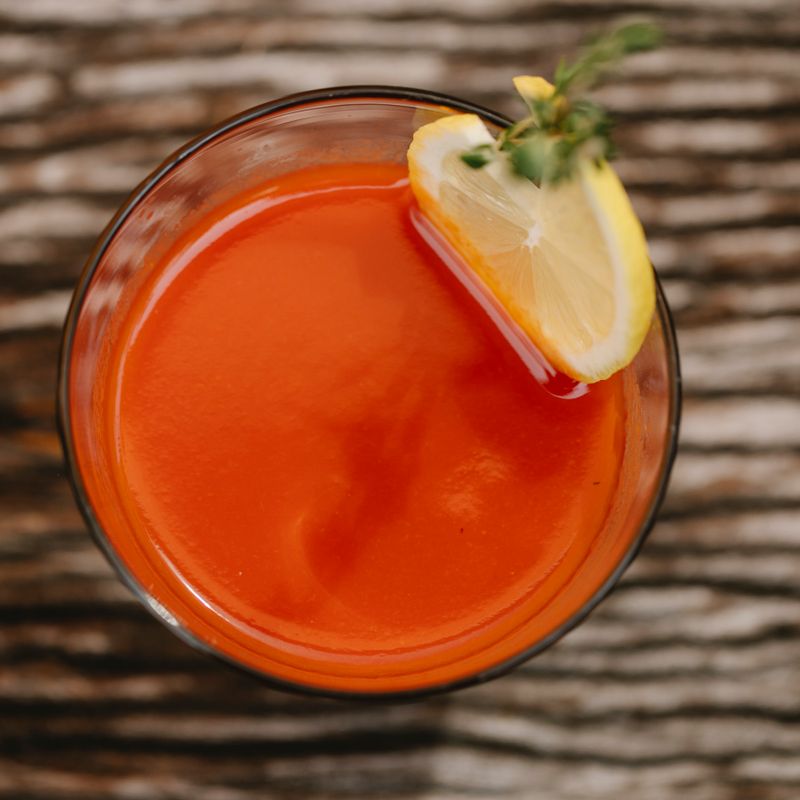
A fresh, vibrant vegetable juice made by juicing ripe tomatoes, crisp celery, and sweet carrots. This savory drink is naturally low in sugar and high in vitamins, perfect for breakfast, as a snack, or as a mixer for cocktails. The balance of sweet carrots and earthy celery complements the bright acidity of fresh tomatoes.
- Prep
- 10 min
- Cook
- —
- Total
- 10 min
- Makes
- About 1 quart (32 fl oz) of fresh juice
Steps
Before you start
- Wash all vegetables thoroughly under cool running water and pat dry
- Have a fine-mesh strainer or nut milk bag ready if using a blender method
- Chill serving glasses if you prefer cold juice
- Use fresh, ripe tomatoes at peak season for best flavor and juice yield
Prepare vegetables
- Wash all vegetables under cool running water and pat dry with paper towels.
- Core the tomatoes and cut them into quarters.
- Wash the celery stalks and cut them into 2-inch lengths (leave some leafy bits attached for extra flavor and nutrition).
- Peel the carrots and cut them into 2-inch lengths.
- Organize the vegetables near your juicer.
+ Show details− Hide details
Ready when: All vegetables are cut to fit your juicer's feed chute
Tip: Keeping vegetables near the juicer as you work prevents interruptions and keeps fresh-cut produce from oxidizing.
Juice vegetables
- Feed the prepared vegetables through your juicer following the manufacturer's instructions.
- Start by juicing a few carrot pieces, then alternate between tomatoes and celery to keep the juicer feed running smoothly and help push each ingredient through.
- Catch the juice in a large pitcher.
- If the juice seems too thick or pulpy, you can strain it through a fine-mesh strainer or nut milk bag for a smoother texture, but fresh juice is best served with some pulp for fiber.
+ Show details− Hide details
Ready when: All vegetables have been processed and juice fills the pitcher
Tip: Alternating vegetables prevents the juicer from clogging; starting with carrots helps set the pace, and ending with a carrot piece pushes the last of the tomato and celery juice through.
Season to taste
- Pour the fresh juice into serving glasses.
- Taste a small sip and season with sea salt and black pepper as desired.
- You can add 1 or 2 pinches of salt per glass and a light grinding of pepper.
- Stir gently to distribute seasonings.
+ Show details− Hide details
Ready when: Juice is seasoned to your taste preference
Tip: Season after juicing so you can adjust to the flavor of your specific tomatoes and vegetables, which varies by season and variety.
Serve immediately
- Serve the fresh vegetable juice right away, preferably chilled.
- Fresh-pressed juice is best consumed within a few hours for maximum nutrition and flavor.
+ Show details− Hide details
Tip: If you prefer cold juice, chill glasses in the refrigerator beforehand, or add a few ice cubes at serving time without diluting the flavor.
Good to know
Tips
- For the best-tasting juice, use tomatoes and carrots at peak ripeness and flavor—summer heirloom tomatoes and fresh-pulled carrots make a huge difference in taste.
- If you don't have a juice extractor, blend the vegetables (in batches if needed) with ¼ cup water, then strain through cheesecloth or a nut milk bag for several hours, squeezing gently. This cold-extraction method preserves more nutrients.
- A pinch of fresh lemon juice or lime juice can brighten the flavor and add an extra vitamin C boost; add after juicing if desired.
- This juice makes an excellent base for Bloody Marys or vegetable-based cocktails. Prepare the juice ahead and keep it refrigerated, then add spirits and garnishes at service time.
Make ahead
Fresh juice is best consumed immediately after juicing, but if you must make it ahead, store it in an airtight glass container in the refrigerator for no more than 24 hours. The longer it sits, the more nutrients and flavor are lost to oxidation.
Storage & reheating
Room temperature: Fresh juice should not be left at room temperature—serve and consume immediately. Refrigerator: Store in an airtight glass container for up to 24 hours; flavor and nutritional quality decline over time. Freezer: Fresh juice can be frozen in ice cube trays for up to 3 months for use in smoothies or cocktails, though the texture will change. Thaw in the refrigerator before using.
Substitutions
- ripe medium tomatoes → Roma or San Marzano tomatoes. These dense varieties have less water and more flavor, yielding a richer juice. You may need fewer tomatoes for the same volume of juice.
- celery stalks with leaves → Fennel stalks. Provides a slightly sweet, anise-like flavor that complements the tomato and carrot well. Use 3 stalks instead of 4.
- medium carrots → Beets or red bell peppers. Beets add earthiness and deep color; red peppers add sweetness and vitamin C. Use the same weight as carrots. Note that beet juice will turn your juice a deep purple-red.
- sea salt → Kosher salt or fine sea salt. Use the same volume; kosher salt crystals are larger so you may need slightly more by weight.