Strawberry Pineapple Juice
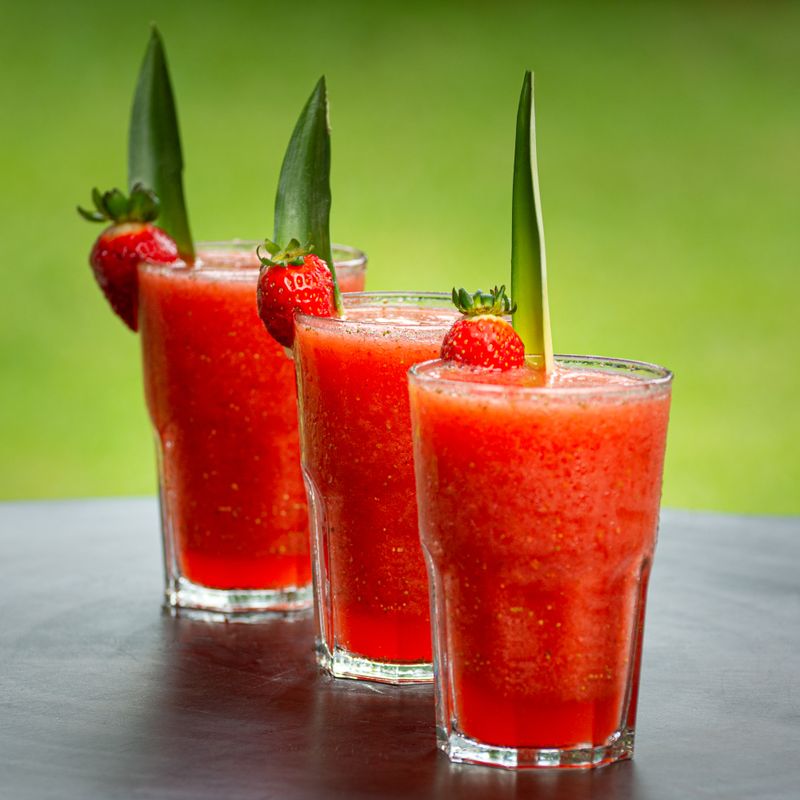
A bright, refreshing juice blending sweet strawberries and tropical pineapple. Fresh-pressed at home for maximum flavor and nutrition, this juice is naturally sweet, easy to make, and perfect for breakfast or an afternoon refresh. The combination of berries and tropical fruit creates a well-balanced flavor with subtle tartness.
- Prep
- 10 min
- Cook
- —
- Total
- 10 min
- Makes
- 2 servings (about 16 oz / 475 ml total)
Steps
Before you start
- Chill serving glasses in the freezer for at least 10 minutes before juicing
- Select ripe strawberries and pineapple—they should give slightly to gentle pressure
- If using a cold-press juicer, have it assembled and ready to go
Prep strawberries
- Rinse the strawberries under cool water and gently pat them dry with a clean kitchen towel.
- Hull each strawberry by removing the leafy green top and the white or pale core underneath, using a small knife or strawberry huller.
- Halve each hulled strawberry so the pieces are manageable for your juicer's feed tube.
- Place the halved strawberries in a clean bowl and set aside.
+ Show details− Hide details
Ready when: All strawberries are hulled, halved, and ready to juice
Tip: Prep the strawberries just before juicing—they oxidize quickly and will lose vitamin C if left exposed to air for more than a few minutes
Prep pineapple
- Using a sharp produce knife, slice off the pineapple skin in long, vertical strokes, removing the tough outer rind completely—rotate the pineapple as you work down its length.
- Once the skin is removed, cut the pineapple in half lengthwise.
- Use a thin knife or corer to remove the hard central core from each half, angling the knife to cut away the core in a V-shaped channel.
- Cut the cored pineapple into vertical spears or 2-inch chunks that will fit easily into your juicer's feed tube without jamming.
+ Show details− Hide details
Ready when: Pineapple is fully peeled, cored, and cut into uniform chunks ready for juicing
Tip: Remove all the skin and tough outer layer—any remaining hard spots will jam your juicer or produce less juice
Juice the fruit
- Feed the pineapple chunks into your juicer first, as pineapple is harder and will help push through any remaining pulp.
- Feed the fruit steadily into the feed tube without forcing it.
- If using a centrifugal juicer, the machine will extract the juice in 15–20 seconds total.
- If using a cold-press juicer, follow the manufacturer's instructions and allow about 1–2 minutes for the pineapple to fully express.
- Once all pineapple is processed, feed in the strawberry halves, which will juice more quickly—allow another 1–2 minutes for the cold-press or 10–15 seconds for centrifugal.
- Catch the fresh juice in a clean glass or pitcher.
+ Show details− Hide details
Ready when: All fruit has been processed and you have approximately 16 oz (475 ml) of juice with minimal pulp remaining in the juicer
Tip: Cold-press juicers retain more nutrients and produce less foam than centrifugal models, but centrifugal juicers work just fine and are faster—don't overthink the tool
Strain, chill, and serve
- If you prefer a smoother juice without pulp, pour the fresh juice through a fine-mesh strainer or double layer of cheesecloth into your chilled glasses, allowing it to drain naturally—do not press the pulp, as this releases bitterness.
- If you prefer the juice with pulp for extra fiber, pour directly into the chilled glasses.
- Add ice cubes if desired and stir gently to chill.
- Taste the juice—if it tastes very tart (this depends on pineapple ripeness and how ripe your strawberries were), drizzle in a small amount of honey (start with 1 teaspoon) and stir to sweeten to your preference.
+ Show details− Hide details
Ready when: Juice is poured into chilled glasses, optionally sweetened, and ready to drink immediately
Tip: Drink the juice immediately for maximum freshness, enzyme activity, and nutrient retention—fresh juice without preservatives loses flavor and nutrition rapidly
Good to know
Tips
- Ripe fruit yields more juice and creates better flavor—press gently on the fruit at the store; it should give slightly under thumb pressure
- If your juice tastes watery, the pineapple was likely underripe; choosing fragrant, golden pineapples makes a dramatic difference
- Frozen strawberries work in a pinch but contain less juice than fresh; thaw completely and use 2 lb (900 g) to compensate
- Add 1–2 tablespoons of fresh lime juice for brightness, or a small handful of fresh mint leaves for herbal depth
Storage & reheating
Store fresh juice in a sealed glass jar in the refrigerator for up to 24 hours (flavor and nutrients degrade over time). For longer storage, freeze in ice cube trays for up to 3 months and thaw in the refrigerator before serving. Do not store at room temperature, as fresh juice spoils quickly without heat processing.
Substitutions
- fresh strawberries, ripe → raspberries or blackberries. Use the same weight; raspberries will make the juice slightly more tart and delicate in flavor
- fresh pineapple, ripe → fresh mango. Swap 1:1 by weight; this creates a tropical stone-fruit flavor instead of the classic pineapple sweetness
- fresh pineapple, ripe → fresh orange juice or tangerine juice. Reduce pineapple to 0.5 small (450 g) and add 8 oz (240 ml) freshly squeezed citrus juice for a brighter, more tart result
- honey, raw or pasteurized → agave nectar or maple syrup. Use the same amount; both dissolve quickly in cold juice and add different flavor notes