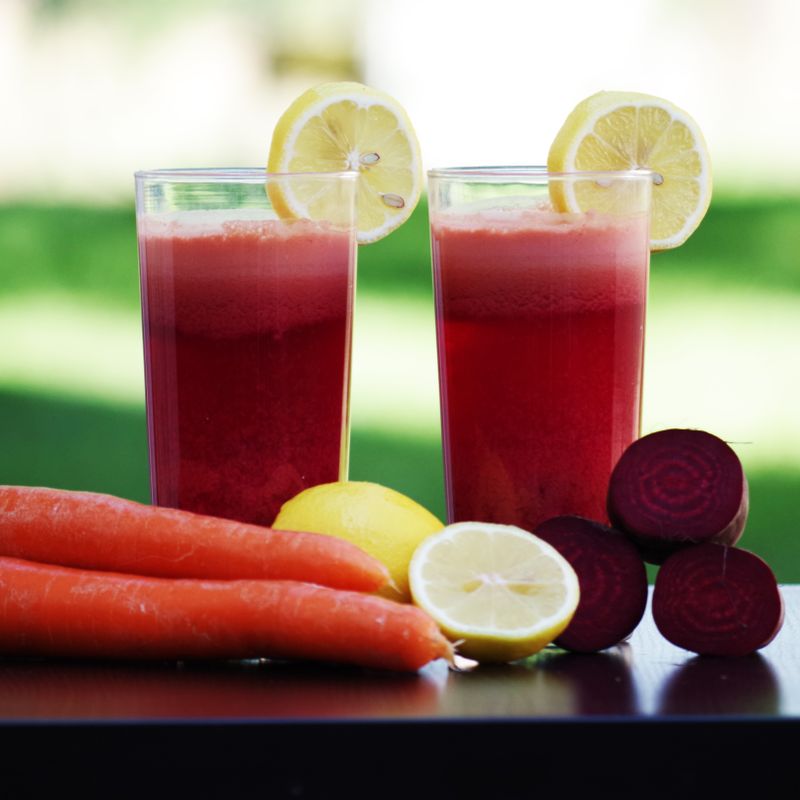
Kale Apple Lemon Juice
A vibrant, nutrient-dense green juice that combines earthy kale with the natural sweetness of apple and the bright acidity of fresh lemon. This cold-pressed style juice is refreshing on its own or as a nutritious morning boost. The apple adds subtle sweetness and body, while lemon brightens the flavor and aids nutrient absorption. Best consumed immediately after juicing for maximum nutritional benefit.
- Prep
- 10 min
- Cook
- —
- Total
- 10 min
- Makes
- About 16 fl oz (480 ml) total juice
Steps
Before you start
- Select crisp, unblemished apples and firm lemons
- Wash all produce thoroughly under cold running water
- Have a cutting board and sharp knife ready
- Place serving glasses in the refrigerator if you prefer cold juice
Prepare the kale
- Rinse the curly kale thoroughly under cold running water and gently pat dry with paper towels or a clean kitchen towel.
- Remove and discard the thick woody stems, leaving only the leafy portions.
- Loosely bunch the kale leaves—they should be moist but not dripping wet, as excess water can dilute the juice.
+ Show details− Hide details
Ready when: Kale is clean, stems removed, and lightly moist
Tip: Removing the tough stems prevents a fibrous, unpleasant texture in the final juice
Prepare the apples and lemon
- Rinse the apples and lemon under cold water.
- Cut each apple in half and remove the core and seeds with a sharp knife or apple corer.
- Cut the apples into chunks that fit comfortably into your juicer's feed chute (typically 1–2 inch pieces).
- If using a centrifugal juicer, peel the lemon skin off; if using a cold-press juicer, leave the skin on and cut the lemon into quarters.
+ Show details− Hide details
Ready when: Apples are cored and cut into small chunks; lemon is prepared for your juicer type
Tip: Apple seeds contain small amounts of cyanogenic compounds; always remove them before juicing
Juice the kale and apple
- Turn on your juicer and begin feeding the kale and apple pieces alternately into the feed chute at a steady, moderate pace.
- Do not force the produce through; let the juicer's auger or blades do the work.
- Feeding them in alternation helps the kale's moisture mix with the apple juice, improving yield.
- Collect the juice in a glass or measuring cup.
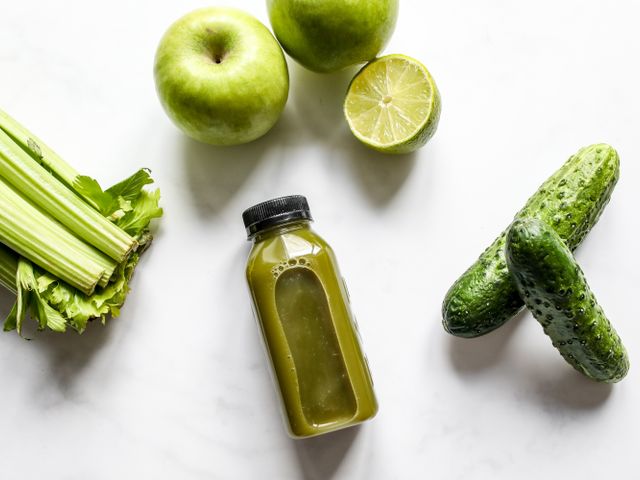
- The juice should pour steadily and appear bright green with flecks of apple pulp.
+ Show details− Hide details
Ready when: Bright green juice is flowing; pulp is dry to the touch when squeezed
Tip: Alternate fruits and vegetables in the feed chute to maximize juice extraction and prevent clogging
Juice the lemon
- Feed the lemon pieces (quarters or peeled segments) into the juicer.
- The citrus will produce a smaller volume of juice but will flavor the entire batch.
- Continue until all lemon has been processed.
- You should have roughly 14–16 fl oz (420–480 ml) of combined juice.
+ Show details− Hide details
Ready when: All lemon is processed; pulp is dry and minimal liquid remains
Tip: Save a tiny piece of lemon skin to rub around the rim of serving glasses if desired for aroma and presentation
Add optional ginger and stir
- If using ginger, feed the thin slice through the juicer after the lemon, or simply stir the ginger juice directly into your collected juice.
- Stir the combined juice well to ensure the flavors are evenly distributed.
- The juice should taste balanced—green and earthy from the kale, naturally sweet from the apple, and bright from the lemon with a subtle spice if ginger was added.
+ Show details− Hide details
Ready when: Juice is well mixed and uniform in color
Tip: Ginger adds digestive benefits and warmth; start with a small amount as it can overpower delicate flavors
Serve immediately
- Divide the fresh juice between two tall glasses (about 8 fl oz per serving).
- Add ice cubes if desired, especially if the glasses were not pre-chilled.
- Serve right away while the juice is at its peak nutritional content and freshness.
- The juice tastes best consumed within 15 minutes of juicing but can be refrigerated for up to 24 hours if necessary.
+ Show details− Hide details
Ready when: Juice is poured and chilled (if ice was added)
Tip: Fresh juice loses nutritional value and enzymes over time; consume as soon as possible after juicing for maximum benefit
Good to know
Tips
- Choose firm, crisp apples like Granny Smith or Honeycrisp over mealy varieties; they yield more juice and provide better tartness to balance the sweetness
- If your juice tastes too strong or bitter, it may be from excess kale. Increase the apple-to-kale ratio on the next batch, or add a small piece of additional fruit to balance the flavor
- A cold-press (masticating) juicer yields more juice and retains more nutrients than a centrifugal juicer, though both work well for this recipe
- Drink the juice on an empty stomach in the morning for maximum nutrient absorption, or pair it with a small amount of healthy fat (like a tablespoon of almond butter) to improve the absorption of fat-soluble vitamins
Storage & reheating
Store fresh juice in an airtight glass container in the refrigerator for up to 24 hours. The juice will gradually separate and oxidize; shake or stir before drinking. For best flavor and nutrition, consume within 2–4 hours of juicing. Do not freeze, as the cellular breakdown will result in an unpleasant watery texture when thawed.
Substitutions
- medium crisp apples (Granny Smith, Honeycrisp, or Gala) → Pears or celery (adds water and body if apples are unavailable). Pears are slightly sweeter and milder; celery adds mineral content but less natural sweetness
- curly kale, stems removed → Spinach, collard greens, or Swiss chard. Spinach is milder and sweeter; collards are earthier. Use the same weight; greens will juice more easily
- fresh lemons → Fresh lime juice or green apple (adds tartness without citrus peel). Limes are slightly more bitter; green apples add tartness with softer citrus notes
- fresh ginger → Turmeric or cayenne pepper (dried spice, 1 small pinch). Turmeric adds warmth and golden color; cayenne adds heat. Both are potent—use sparingly