
Stovetop Honey Fritters
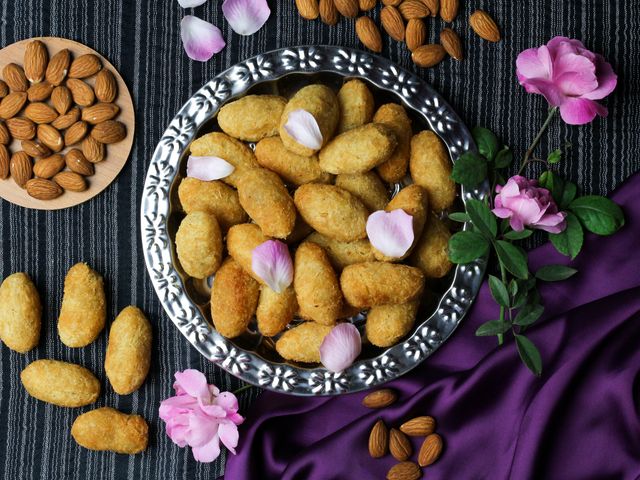
Pillowy Greek-style fried pastries made with yogurt and baking powder for a light, airy crumb. The dough is pan-fried until golden, then immediately dunked in warm honey syrup infused with cinnamon and citrus. Serve warm for the best texture—the honey creates a crispy exterior while the interior stays tender.
- Prep
- 15 min
- Cook
- 20 min
- Wait
- 10 min
- Total
- 45 min
- Makes
- About 16 fritters (4 servings)
Steps
Before you start
- Have all ingredients measured and ready—this dough comes together quickly.
- Prepare the honey syrup first and keep it warm on low heat while you fry.
- Use a neutral oil with a high smoke point (vegetable, canola, or light olive oil).
Make the honey syrup
- In a small saucepan, combine 0.75 cup (250 ml) honey, 0.25 cup (60 ml) water, 0.5 tsp (1 g) ground cinnamon, and lemon zest if using.
- Heat over low heat, stirring occasionally, until the mixture is warm and fragrant, about 2–3 minutes.
- Do not boil.
- Once ready, reduce heat to the lowest setting to keep the syrup warm while you fry the fritters.
+ Show details− Hide details
Ready when: Syrup is warm and fragrant, small wisps of steam rise from it
Tip: Keep the syrup warm but not hot—if it cools, the fritters won't soak it in as well.
Mix the dough
- In a medium bowl, whisk together 1.5 cups (190 g) flour, 1.5 tsp (7 g) baking powder, and 0.25 tsp (1.5 g) salt.
- Add 0.75 cup (170 g) room-temperature yogurt and stir with a wooden spoon until a soft, slightly sticky dough forms.
- The dough should come together quickly—do not overmix.
- It's okay if it looks a bit rough.
+ Show details− Hide details
Ready when: Soft dough forms and pulls away from the sides of the bowl
Tip: Cold yogurt will make mixing harder and can create tough fritters. Let it sit at room temperature for 30 minutes before starting if it's straight from the fridge.
Heat the oilOven 350°F / 175°C
- Pour 1.5 cups (360 ml) neutral oil into a large shallow skillet (12-inch) and heat over medium-high heat.
- The oil is ready when it shimmers and a tiny piece of dough dropped in sizzles immediately and floats to the surface within 1–2 seconds.
- The temperature should reach about 350°F (175°C).
- If you have a thermometer, use it; if not, test with a small piece of dough.
+ Show details− Hide details
Ready when: Oil shimmers noticeably and a test piece of dough floats and sizzles
Tip: Oil that's too cool produces greasy fritters; too hot and they'll brown before cooking through. Maintain medium-high heat and adjust as needed during frying.
Fry the fritters
- Using a spoon (or your hands lightly oiled), carefully drop spoonfuls of dough into the hot oil, working in batches of 4–5 fritters at a time to avoid crowding.
- Each fritter should be about the size of a golf ball or heaping tablespoon.
- Fry for 1.5–2 minutes on the first side until deep golden brown, then flip with a slotted spoon.
- Fry the second side for another 1–1.5 minutes until the fritters are evenly golden and cooked through.
- They should be puffy and sound hollow when tapped.
+ Show details− Hide details
Ready when: Fritters are deep golden brown on all sides, puffy, and sound hollow when tapped
Tip: Don't crowd the pan—this lowers the oil temperature and makes fritters greasy. Work in batches and maintain the oil heat between batches by raising the heat slightly after removing fritters.
Drain and soak in honey
- Using a slotted spoon, transfer the fried fritters directly into the warm honey syrup.
- Let them soak for 10–15 seconds, turning gently once to ensure the honey coats all sides.
- The fritters will absorb the warm syrup and become glossy.
- Transfer them to a serving platter or shallow dish.
+ Show details− Hide details
Ready when: Fritters are glossy and coated in honey syrup
Tip: Work quickly with each batch—warm fritters soak in the honey much better than cool ones. If batches cool down while you're still frying, briefly reheat the syrup.
Finish and serve
- Arrange the honey-soaked fritters on a serving platter.
- If desired, sprinkle with finely chopped roasted pistachios.
- Serve warm or at room temperature.
- The fritters are best eaten within an hour while the exterior is still crispy and the interior remains tender, though they're still delicious the next day.
+ Show details− Hide details
Tip: Pistachios add authentic Greek flavor and visual appeal, but walnuts or almonds work equally well if that's what you have on hand.
Good to know
Tips
- For extra flavor, add 1 tsp vanilla extract or 0.5 tsp ground cardamom to the dough itself.
- The baking powder is key to getting fluffy, airy fritters. Don't skip it or reduce it, or they'll be dense and heavy.
- If your oil temperature drops while frying (you'll notice slower browning and greasier results), increase the heat for the next batch and wait 30 seconds before adding more dough.
- For a lighter version, you can bake the fritters: shape the dough on a parchment-lined baking sheet and bake at 375°F (190°C) for 12–15 minutes until golden, then dunk in warm honey syrup. They won't be quite as crispy but will still be delicious.
Make ahead
The dough can be mixed up to 1 hour ahead and kept covered at room temperature. The honey syrup can be prepared up to 3 hours ahead and gently reheated before frying.
Storage & reheating
Store leftover fritters in an airtight container at room temperature for up to 2 days. They soften slightly as they sit due to the honey, which is normal. Reheat in a low oven (300°F/150°C) for 5–10 minutes to restore some crispness. Do not refrigerate, as it accelerates softening.
Substitutions
- plain Greek yogurt (full-fat preferred) → Plain whole-milk yogurt or sour cream. Full-fat yogurt gives the best texture; low-fat versions may produce slightly denser fritters. Use the same weight and temperature.
- honey → Orange-blossom honey or acacia honey. Different honeys will shift the flavor profile. Choose one with a clean taste rather than a strong molasses flavor.
- vegetable oil (or canola or light olive oil) → Extra-virgin olive oil (use sparingly—it can overwhelm the flavor at this quantity) or peanut oil. Avoid olive oil if you prefer a neutral flavor. Peanut oil is traditional in some Greek preparations and adds subtle depth.
- ground cinnamon → Cardamom (use half the amount: 0.25 tsp) or a pinch of ground clove. These spices are common in Eastern Mediterranean versions. Don't exceed the listed amount or they'll overpower the honey.
More desserts
See all →



Find more like this
- Meal
- Dessert
- Cuisine
- Middle Eastern
- Diet
- VegetarianHalal
- Method
- Stovetop
- Quick & Easy
- 5 Ingredients or LessEasyBeginner