Spanish Butternut Squash and Sage Burgers
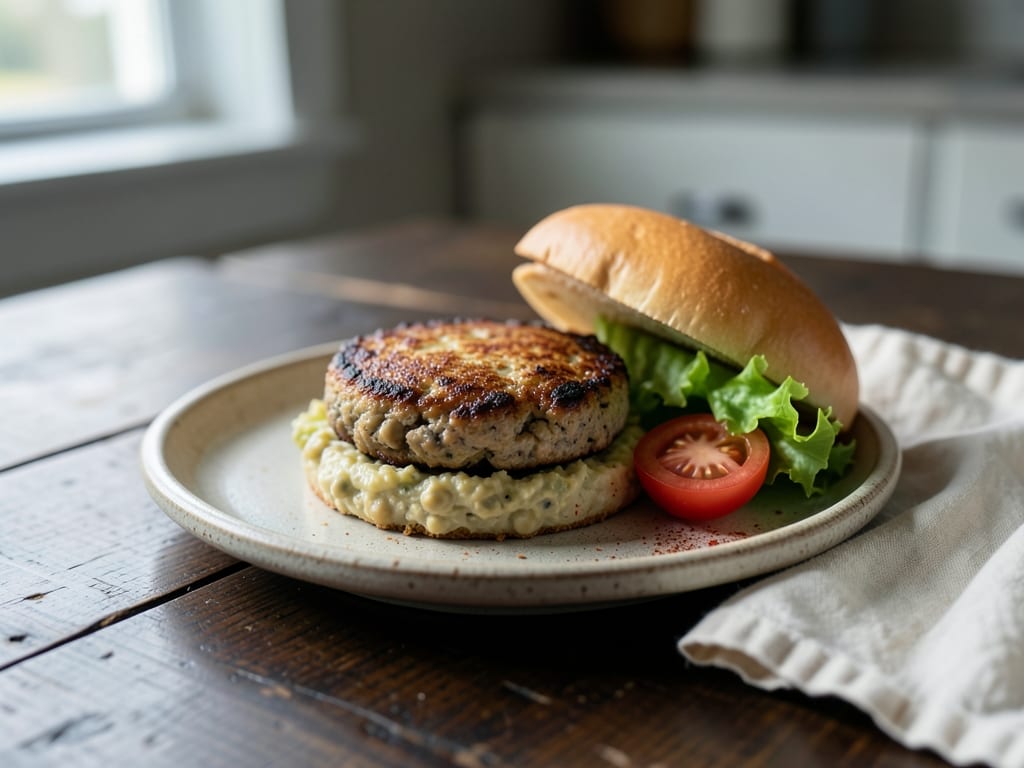
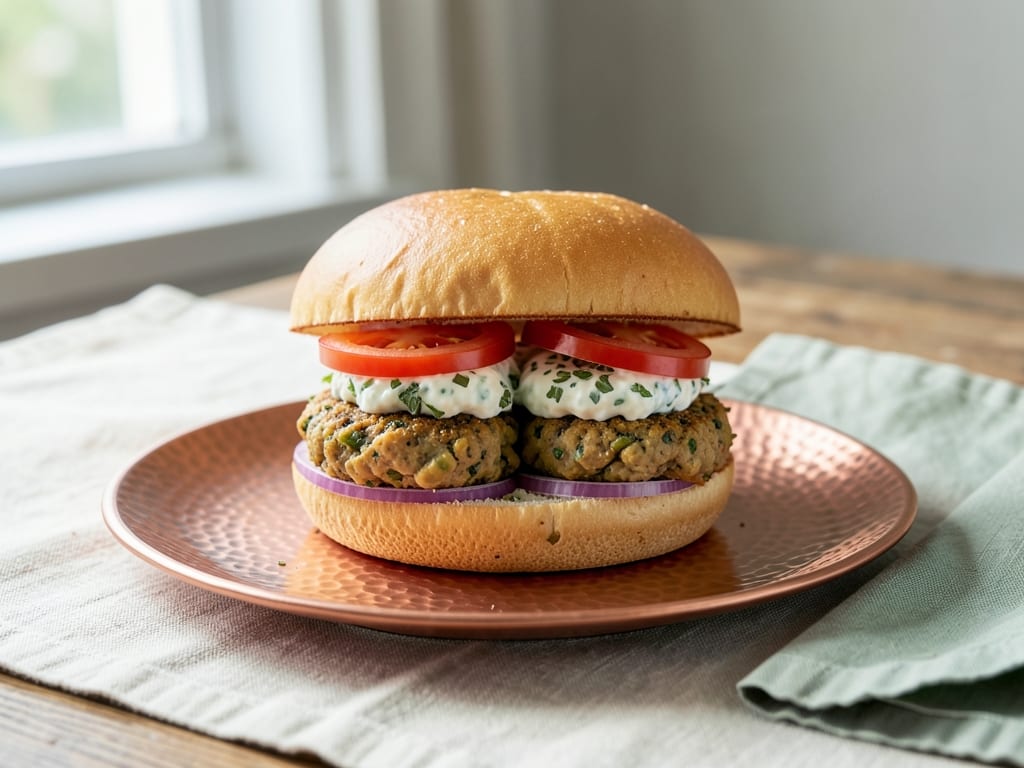
Crispy-edged, herb-scented veggie burgers built on roasted butternut squash and chickpeas, seasoned with smoked paprika and fresh sage in the Spanish style. Baked until golden and firm enough to hold their shape, they're satisfying with a warm spice backbone and creamy center.
Steps
Before you start
- Preheat the oven to 400°F (200°C) for roasting the squash and later to 375°F (190°C) for baking the burgers.
- Line two baking sheets with parchment paper.
- Have all ingredients measured and ready before assembling the burger mixture.
Roast the squashOven 400°F / 205°C
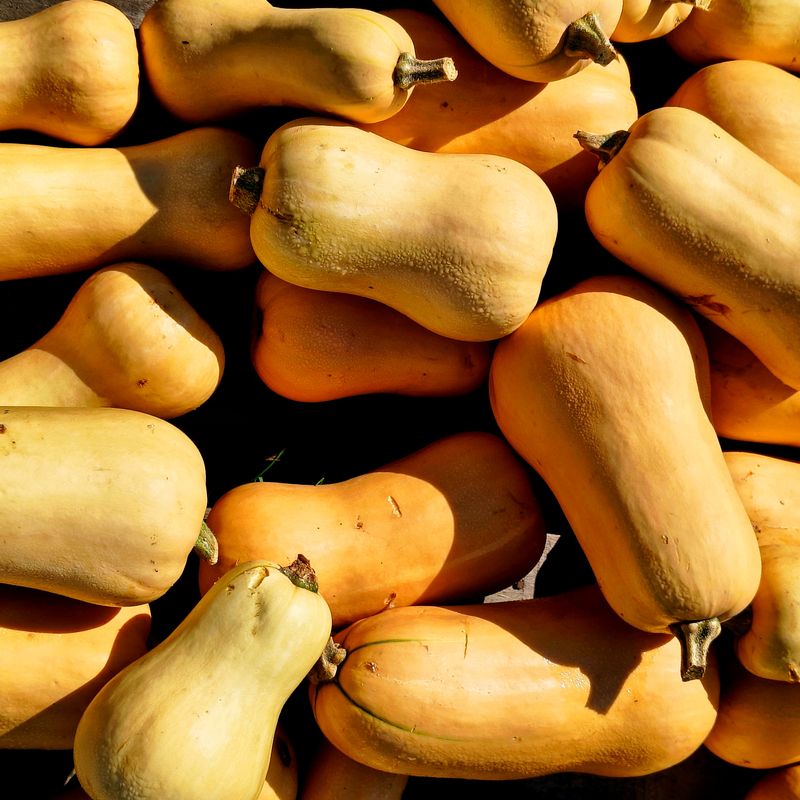
- Toss the butternut squash cubes with 2 tablespoons (30 ml) of the olive oil, half the smoked paprika (¾ teaspoon), and a pinch each of salt and pepper on a large baking sheet.
- Spread in a single layer and roast at 400°F (200°C) for 25–30 minutes, stirring halfway through, until golden and fork-tender.
- The edges should be slightly caramelized.
+ Show details− Hide details
Ready when: Squash is golden and easily pierced with a fork
Tip: Don't crowd the pan; roasting in a single layer ensures even browning and better flavor.
Cool and mash
- Let the roasted squash cool on the baking sheet for 5 minutes.
- Transfer to a medium bowl and lightly mash with a fork, leaving some small chunks for texture.
- Don't overwork it into a smooth purée.
+ Show details− Hide details
Ready when: Squash is cool enough to handle and partially mashed
Tip: Cooling briefly prevents the egg from scrambling when mixed in, but do it while still warm so the flavors bind.
Build the burger mixture
- In a large mixing bowl, combine the mashed squash, chickpeas, fresh sage, minced garlic, lemon juice, cumin, and remaining ¾ teaspoon smoked paprika.
- Stir well.
- In a small bowl, whisk the egg, then add it to the mixture along with the panko breadcrumbs and remaining 1 tablespoon (15 ml) olive oil.
- Fold everything together until just combined; the mixture should hold together when pressed but still feel slightly crumbly.
- Season to taste with salt and pepper.
+ Show details− Hide details
Ready when: Mixture is evenly combined and holds together when pressed
Tip: Don't overmix; this keeps the burgers tender. If the mixture feels too wet, add a tablespoon more breadcrumbs.
Chill the mixture
- Cover the bowl and refrigerate for at least 15 minutes.
- This firms up the mixture so the burgers hold their shape better during baking.
+ Show details− Hide details
Ready when: Mixture is cold and stiff enough to divide and shape
Tip: You can make this ahead and chill for up to 4 hours if needed.
Shape the burgersOven 375°F / 190°C
- Preheat the oven to 375°F (190°C).
- Line a second baking sheet with fresh parchment paper.
- Divide the chilled mixture into 4 equal portions.
- Gently shape each into a patty about 3.5 inches (9 cm) wide and ¾ inch (2 cm) thick.
- Place on the prepared baking sheet, spacing them about 2 inches (5 cm) apart.
+ Show details− Hide details
Ready when: Burgers are evenly shaped and firm
Tip: Use a light hand when shaping; pressing too hard makes them dense. If they crack, pinch the edges together gently.
Bake until goldenOven 375°F / 190°C
- Bake at 375°F (190°C) for 18–22 minutes, until the edges are deep golden brown and the burgers feel firm to a gentle touch.
- They should hold their shape when you press the top lightly.
- Halfway through, you can carefully flip them for more even browning, though it's not essential.
+ Show details− Hide details
Ready when: Edges are deep golden brown and burgers feel firm when pressed
Tip: Don't flip them if you prefer extra crispness on the bottom; just let them bake undisturbed.
Rest and serve
- Let the burgers rest on the baking sheet for 2–3 minutes before carefully sliding them onto a serving platter or individual plates.
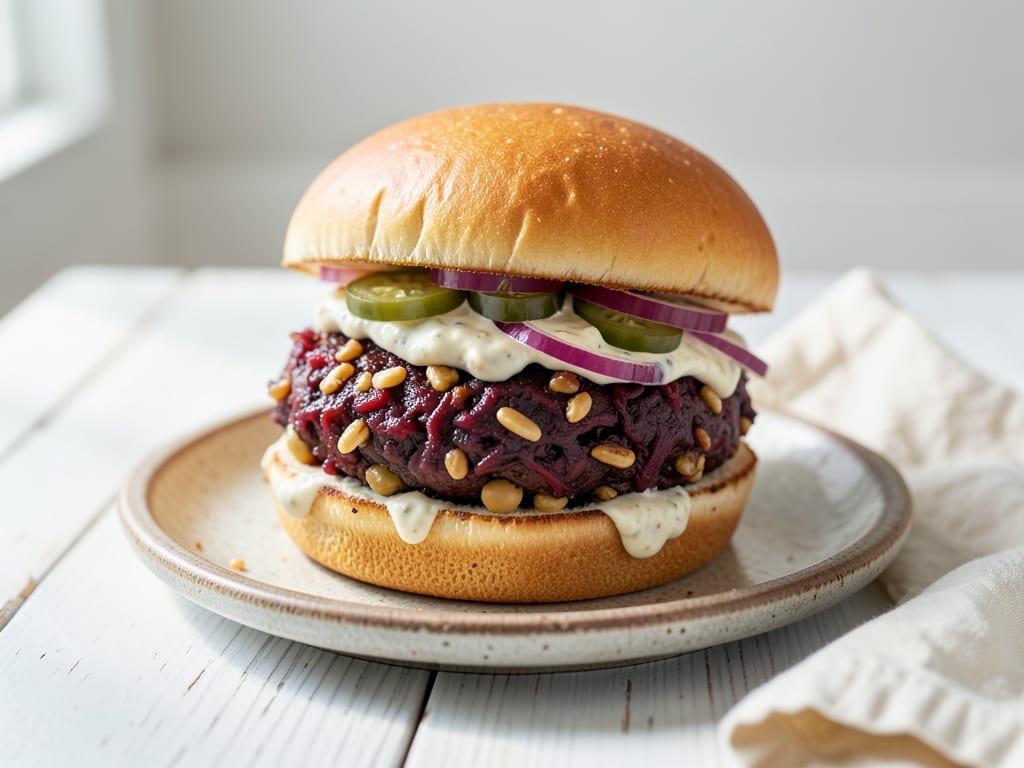
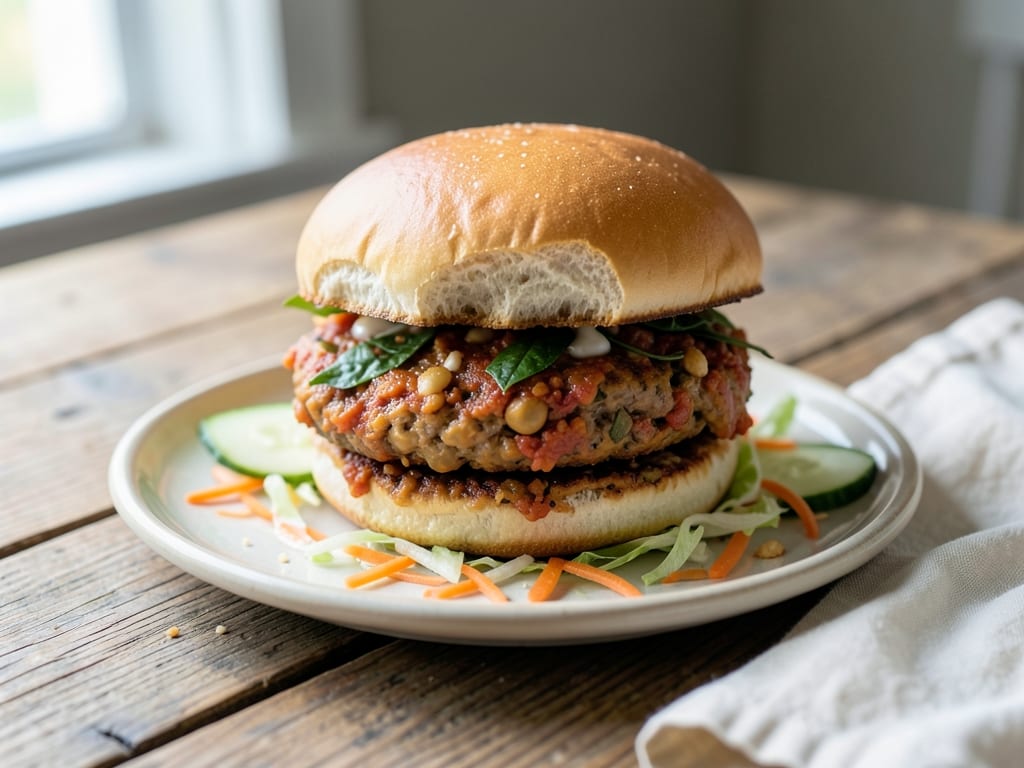
- Serve warm on toasted buns with your choice of toppings: roasted red peppers, crema or yogurt sauce, fresh arugula, or tomato slices.
+ Show details− Hide details
Ready when: Burgers are rested and ready to serve
Tip: A brief rest makes them less likely to fall apart when you move them and allows the interior to set.
Good to know
Tips
- Don't skip the roasting step—it concentrates the squash's natural sweetness and adds caramelized depth that store-bought purée can't match.
- The egg is your binder; make sure it's at room temperature before mixing so it incorporates evenly and helps hold the patties together.
- If the mixture seems too crumbly to hold shape after chilling, add 1 tablespoon of breadcrumbs or a splash of olive oil. If it's too wet, add another tablespoon of breadcrumbs.
- Serve on toasted buns with roasted red peppers, a dollop of garlicky crema or Greek yogurt, and fresh arugula to echo Spanish flavors.
Make ahead
Prepare the burger mixture up to 4 hours ahead and chill it covered. Shape and bake just before serving for best texture and warmth, or bake up to 2 hours ahead and reheat gently in a 300°F oven for 5–8 minutes.
Storage & reheating
Store cooled burgers in an airtight container in the refrigerator for up to 3 days. Reheat in a 300°F (150°C) oven for 8–10 minutes until warmed through. Freeze baked burgers (or unbaked patties) for up to 2 months; thaw overnight in the fridge before reheating, or bake frozen patties at 375°F for an extra 5–8 minutes.
Substitutions
- fresh sage leaves, finely chopped → 1½ teaspoons (2 g) dried sage, or 2 tablespoons (6 g) fresh parsley mixed with ½ teaspoon (1 g) dried thyme. Dried sage is more concentrated; use less. Parsley and thyme offer a different but complementary herb profile.
- canned chickpeas, drained and rinsed → Black beans or white beans (cannellini), drained and rinsed. Both add similar protein and binding power. Black beans will darken the mixture slightly; adjust visual expectations.
- panko breadcrumbs → ¾ cup (75 g) finely crushed tortilla chips (plain or lightly salted) or ⅔ cup (55 g) rolled oats, pulsed to a coarse meal. Tortilla chips add slight crunch and complementary spice; oats add mild nuttiness and are gluten-free if needed.
- smoked paprika → 1½ teaspoons (3 g) regular paprika plus a small pinch of liquid smoke, or ½ teaspoon (1 g) cayenne for a spicier version. Regular paprika is milder; liquid smoke mimics the smoked depth. Cayenne shifts the flavor toward heat rather than smoke.