Roasted Garlic Herb Vinaigrette
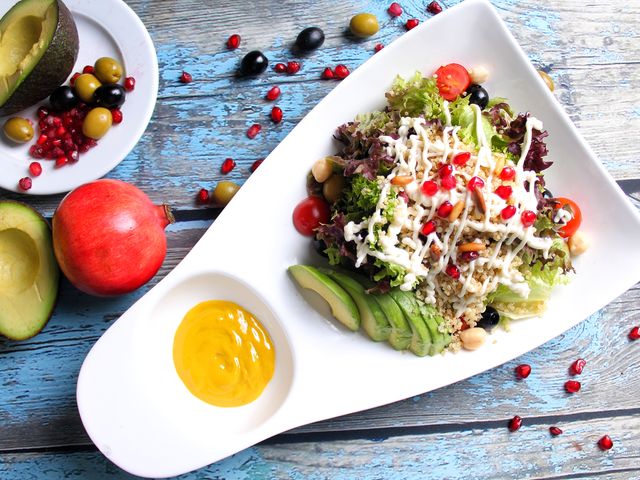
A silky, emulsified vinaigrette built on sweet roasted garlic and bright red wine vinegar, finished with fresh herbs and a generous pour of olive oil. The roasted garlic melts into the dressing, creating a complex, slightly sweet foundation that balances the acidity. Excellent on salads, drizzled over roasted vegetables, or as a marinade for grilled proteins.
Steps
Before you start
- Have all herbs washed and dried before you start
- If roasting garlic fresh, allow time for it to cool completely before using
- Measure out all ingredients before whisking to keep the emulsion stable
Roast the garlicOven 400°F / 205°C
- Preheat your oven to 400°F (200°C).
- Separate garlic cloves but leave the skins on.
- Place them on a small baking sheet or wrap them in foil.
- Roast for 35–40 minutes, stirring halfway through, until the cloves are deep golden brown and very soft—they should collapse easily when pressed.
- Remove and let cool completely (at least 5 minutes).
+ Show details− Hide details
Ready when: Garlic cloves are deep golden brown and collapse easily when pressed
Tip: Do not skip cooling—warm garlic can break the emulsion and make the dressing grainy.
Combine base ingredients
- Squeeze the cooled roasted garlic cloves out of their skins into a medium bowl or glass measuring cup.
- Add the red wine vinegar, minced shallot, Dijon mustard, and honey.
- Whisk vigorously for 30 seconds to combine and slightly break down the garlic into the vinegar.
+ Show details− Hide details
Ready when: Mixture is combined and garlic is partially broken down into small pieces
Tip: The roasted garlic should break down somewhat but doesn't need to be perfectly smooth—small flecks add texture and flavor.
Emulsify the oil
- Begin whisking the vinegar mixture steadily.
- While whisking constantly, add the olive oil very slowly—start with just a few drops at a time.
- After about ¼ cup (60 ml) of oil has been incorporated and the mixture begins to thicken and lighten, you can add the remaining oil in a thin, steady stream while continuing to whisk.
- Keep whisking for 1–2 minutes after all the oil is incorporated.
+ Show details− Hide details
Ready when: Vinaigrette is pale, creamy, and noticeably thicker—it coats the whisk
Tip: Do not rush this step. Adding oil too quickly is the most common reason the vinaigrette breaks or separates. Patience creates a silky emulsion.
Finish with herbs and seasoning
- Fold in the fresh thyme, parsley, and basil (if using).
- Season with kosher salt and freshly ground black pepper to taste.
- Stir gently to combine without deflating the emulsion.
- Taste and adjust acidity with an extra ½ teaspoon vinegar, or saltiness, as needed.
+ Show details− Hide details
Ready when: Herbs are evenly distributed and dressing is creamy and well-seasoned
Tip: Add herbs at the very end so they stay bright green and fresh. Fold gently to preserve the emulsion.
Good to know
Tips
- If your emulsion breaks (looks grainy or separated), start over with a fresh bowl and 1 tsp mustard. Slowly whisk the broken vinaigrette into the new base.
- For an even smoother vinaigrette, strain it through a fine-mesh sieve after whisking to remove shallot pieces, or use a blender for 10–15 seconds on low speed.
- Roasted garlic can be made ahead in bulk—roast several heads at once and store in the fridge for use in dressings, spreads, or side dishes throughout the week.
- This vinaigrette coats grilled vegetables beautifully and can also be used as a marinade for chicken, pork, or lamb. Let meat marinate for 2–4 hours before cooking.
Make ahead
You can roast the garlic up to 3 days ahead—store it in an airtight container in the fridge. Complete the vinaigrette up to 1 day before serving, whisking gently to recombine if the oil separates slightly.
Storage & reheating
Store in an airtight glass jar or bottle in the refrigerator for up to 5 days. If the emulsion breaks or the oil separates, whisk it again vigorously or blend it briefly in a blender to re-emulsify. The vinaigrette will thicken slightly when cold and loosen again at room temperature.
Substitutions
- red wine vinegar → balsamic vinegar. Use only 2 tbsp (30 ml) balsamic as it is sweeter and more concentrated; add 1 tbsp (15 ml) red wine vinegar or white vinegar to balance acidity.
- fresh thyme leaves → dried thyme or oregano. Use ½ tsp dried herbs, which are more concentrated in flavor. Add them to the vinegar base in step 2 so they hydrate.
- extra-virgin olive oil → neutral oil (vegetable or canola) plus 2 tbsp extra-virgin olive oil. If you want to reduce the strong olive oil flavor, replace part of it with neutral oil and keep some olive oil for taste. The emulsion will be equally stable.
- honey → maple syrup or agave nectar. Use the same amount. Maple syrup will add a subtle woodsy note; agave is more neutral.