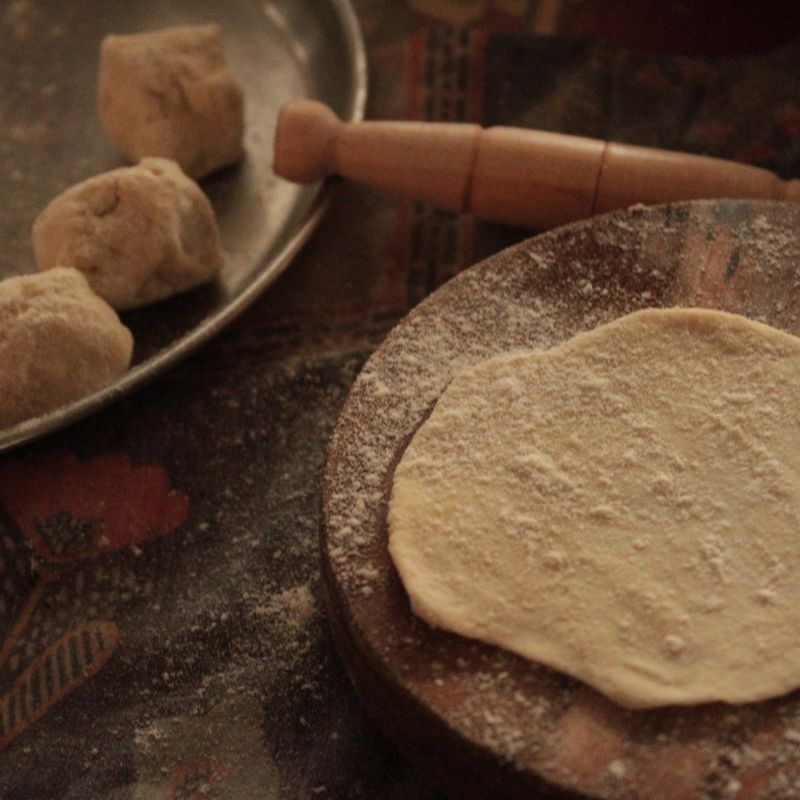
Millet Flatbread Dough
A tender, pliable dough that combines nutty millet flour with all-purpose flour for structure. The quick-knead method creates flatbreads that are soft and flexible, with a subtle grain flavor. This dough rests briefly to allow full hydration and becomes easy to shape for cooking on a griddle, cast iron, or stovetop. The finished flatbreads will have a gentle chew and absorb flavors beautifully from any accompaniments.
- Prep
- 10 min
- Cook
- —
- Wait
- 25 min
- Total
- 35 min
- Makes
- 8 flatbreads (2 per serving)
Steps
Before you start
- Measure all ingredients before starting—this dough mixes quickly
- Use room-temperature water for even hydration
- Clear a clean work surface (counter or large cutting board) for kneading
- Have a damp kitchen towel or plastic wrap ready to cover the dough while it rests
Combine flour and salt
- In a large mixing bowl, whisk together the millet flour, all-purpose flour, and salt until evenly combined.
- This ensures the salt distributes evenly throughout and prevents pockets of saltiness or grittiness in the finished flatbreads.
+ Show details− Hide details
Ready when: No lumps visible, mixture is uniform and pale golden
Add water and mix
- Create a well in the center of the flour mixture.
- Slowly pour in the room-temperature water.
- Using a wooden spoon or dough whisk, mix the flour into the water, starting from the center and drawing in flour gradually from the sides.
- Continue mixing until a shaggy, rough dough forms with no dry flour visible on the bottom or sides of the bowl.
- The dough will look rough and bumpy at this stage.
+ Show details− Hide details
Ready when: Shaggy dough with no visible dry flour
Tip: Add water slowly—millet flour absorbs water differently than wheat flour. You may not need all 3/4 cup. If the dough seems very stiff, add water 1 tablespoon at a time until it comes together.
Knead until smooth
- Turn the shaggy dough onto a lightly floured work surface.
- Knead for 5–7 minutes using the heel of your hand, pushing the dough away from you and folding it back over itself repeatedly.
- After about 3 minutes of kneading, drizzle the olive oil over the top of the dough.
- Continue kneading for another 2–4 minutes until the oil is fully incorporated.
- The dough should feel smooth, elastic, and slightly tacky (but not sticky) to the touch, like a soft earlobe.
+ Show details− Hide details
Ready when: Dough is smooth, elastic, and slightly tacky; oil is fully incorporated with no shine remaining
Tip: Don't overwork the dough—'quick knead' means 5–7 minutes is plenty. Excessive kneading can make the finished flatbreads tough and dense. Stop as soon as the dough looks smooth and the oil is mixed in.
Let dough rest
- Place the dough back in the mixing bowl (lightly oiled to prevent sticking) or leave it on the work surface.
- Cover with a damp kitchen towel or plastic wrap.
- Let rest at room temperature for 20–30 minutes.
- The dough will soften further, become more elastic, and the millet flour will fully hydrate.
- The dough is now ready to divide and shape for cooking.
+ Show details− Hide details
Ready when: Dough is soft, warm, and slightly puffed; feels smooth and pliable to the touch
Tip: A warm, humid environment speeds the resting process. If your kitchen is cool, the dough may take closer to 30 minutes. Do not let it rest longer than 45 minutes, or it may become overly soft and sticky.
Good to know
Tips
- Millet flour is naturally drier than wheat flour and can make tough flatbreads without enough moisture or fat. The oil is essential—don't skip it. It prevents drying and makes the dough far easier to shape.
- If the dough sticks to your hands during kneading, dust lightly with flour rather than adding more water. Millet dough should be slightly tacky for soft, pliable flatbreads. Too much flour will make it tough.
- Divide the dough into 8 equal portions and shape gently into balls. Let them rest for 5 minutes before flattening—this reduces spring-back and makes shaping easier.
- Millet flour has a subtle, slightly sweet corn-like flavor that pairs beautifully with savory toppings, curries, stews, or used as a wrap for grilled vegetables and proteins. It also works well brushed with herb-infused oil or sprinkled with sesame seeds before cooking.
Make ahead
The dough can be made up to 1 day ahead. After kneading and resting, wrap tightly in plastic wrap and refrigerate. Bring to room temperature for 10 minutes before shaping and cooking, or cook directly from the refrigerator for slightly thicker flatbreads.
Storage & reheating
Room temperature: Cover loosely with a damp towel; will begin to dry out after 2 hours. Refrigerator: Wrap airtight in plastic wrap or place in a covered container; keeps up to 3 days. To use, bring to room temperature for 5–10 minutes before cooking. Freezer: Wrap very tightly in plastic wrap and aluminum foil to prevent freezer burn; keeps up to 3 months. Thaw in the refrigerator overnight, then bring to room temperature for 10 minutes before shaping and cooking.
Substitutions
- millet flour → Sorghum flour, teff flour, or barley flour. Use the same amount. These alternative grains have similar water absorption and texture characteristics and will produce flatbreads with comparable softness and chew.
- all-purpose flour → Whole wheat flour or spelt flour. Use the same amount, though you may need slightly more water (add 1–2 tablespoons if the dough seems too stiff). Whole wheat will produce a heartier, earthier flatbread.
- olive oil → Coconut oil, ghee, vegetable oil, or butter. Use the same amount (melted if solid). Any neutral or flavorful oil will work; ghee adds a rich, slightly nutty taste.
- water, room temperature → Vegetable broth, chicken broth, or milk (dairy or non-dairy). Use the same amount. Broth or milk will add subtle flavor and may make the flatbreads slightly richer. Use low-sodium broth to control salt.
More flatbread doughs
See all →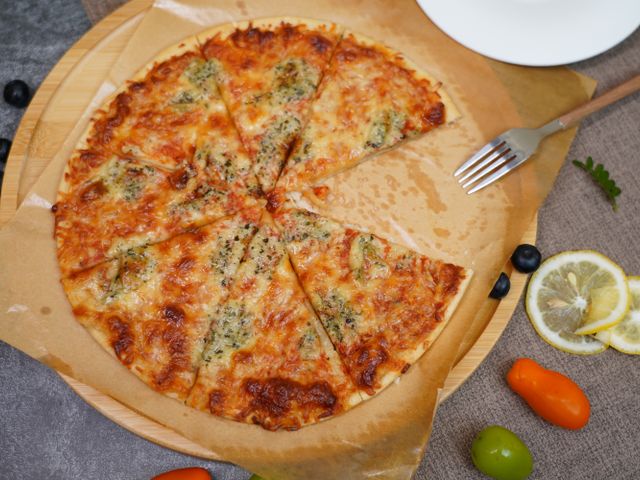
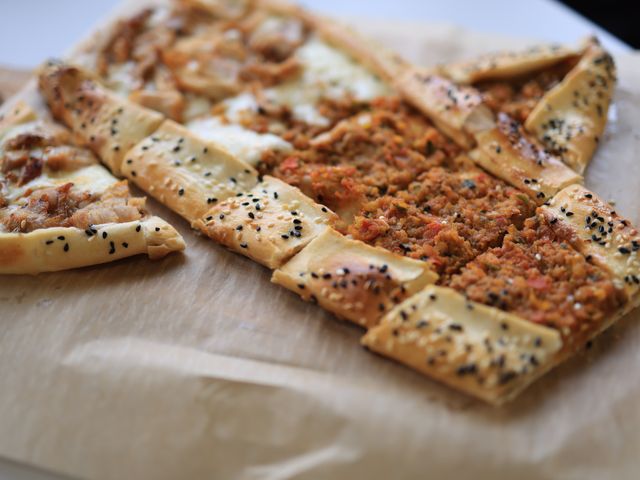
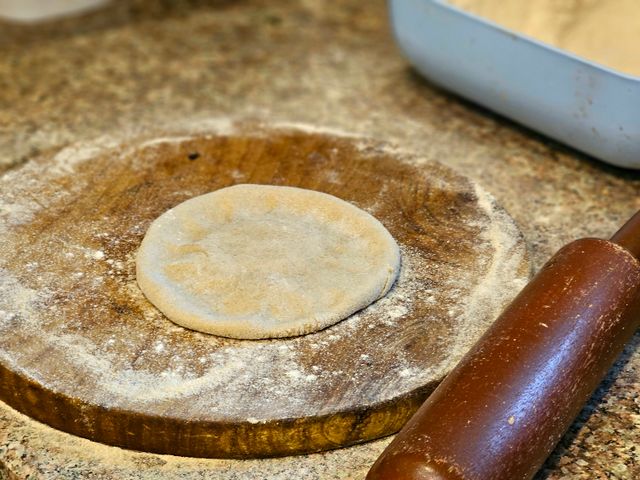
Find more like this
- Meal
- Dinner
- Quick & Easy
- 5 Ingredients or LessEasyBeginner