Korean Gochujang Fried Egg with Crispy Spam and Kimchi on Milk Bread
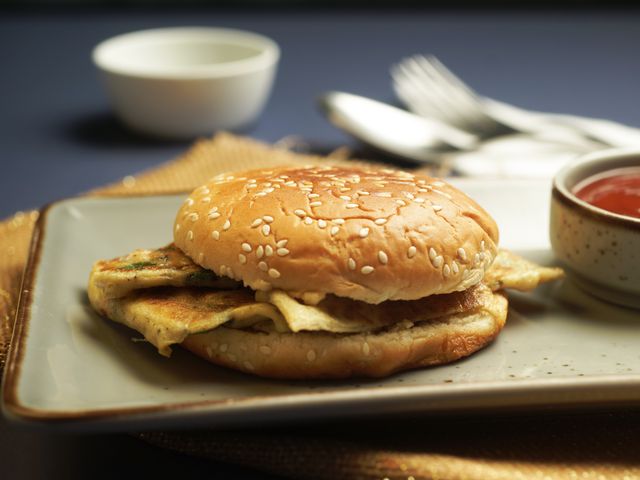
A bold, umami-packed breakfast sandwich combining crispy pan-fried Spam, a runny-yolked fried egg, tangy kimchi, and spicy gochujang mayo layered on soft, buttery milk bread. The combination of savory cured meat, creamy yolk, and fermented chile heat makes for an indulgent morning meal.
Steps
Before you start
- Have all components ready before you start cooking—assemble sandwiches quickly while the egg and Spam are still warm
- If your milk bread is fresh, refrigerate it for 30 minutes so slices hold together better when toasting
- Drain excess liquid from the kimchi if it's very wet; pat dry with paper towels to prevent soggy bread
Make gochujang mayo
- In a small bowl, stir together the gochujang, mayonnaise, and softened butter until fully combined and smooth.
- Set aside.
+ Show details− Hide details
Ready when: mixture is uniform and spreadable
Tip: Make sure the gochujang has no lumps; warm the bowl in hot water if needed for easier mixing
Toast the milk bread
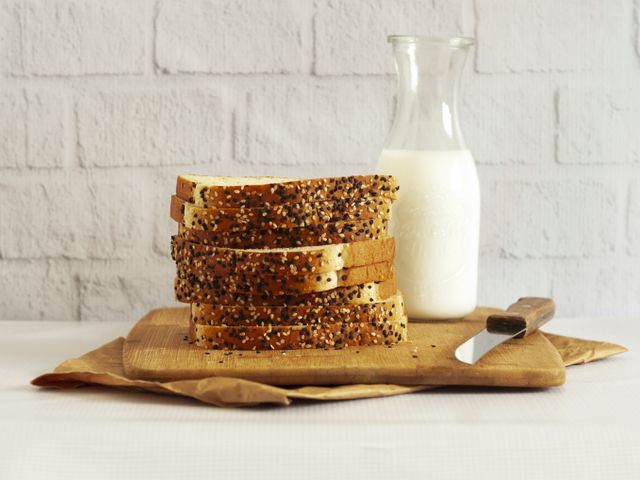
- Pop the 4 slices of milk bread into a toaster and set it to a medium setting so the bread toasts to light golden brown, about 2–3 minutes.
- Transfer to a clean surface.
+ Show details− Hide details
Ready when: bread is golden and crisp on the outside but still tender inside
Tip: Don't over-toast or the bread will be dry; light toast keeps it soft while adding structure
Pan-fry the Spam
- Heat a 10-inch nonstick skillet over medium heat.
- Once hot, add ½ tbsp (7 g) butter.
- When foaming, arrange the Spam slices flat in a single layer.
- Cook undisturbed for 2–3 minutes until the underside is golden and crispy.
- Flip each slice and cook for another 1–2 minutes until the second side is golden brown and slightly caramelized.
- Transfer to a paper towel–lined plate.
+ Show details− Hide details
Ready when: both sides are deep golden brown and crispy at the edges; fat has rendered slightly
Tip: Don't crowd the pan or move the Spam too much in the first minutes—a dark, crispy crust is what you want
Fry the eggs
- In the same skillet with the Spam fat still in it, reduce heat to medium-low.
- Add the remaining ½ tbsp (7 g) butter.
- Once melted and foaming, gently crack both eggs into the pan, keeping them separate.
- Cook for 3–4 minutes, basting the egg whites with the hot butter occasionally, until the whites are set and opaque but the yolks remain runny and glossy.
- Season lightly with salt and pepper.
+ Show details− Hide details
Ready when: egg whites are completely set and opaque, yolks jiggle slightly when the pan is moved
Tip: Lower heat prevents tough, overcooked whites; basting keeps the yolks moist and gives a silky finish
Assemble the sandwiches
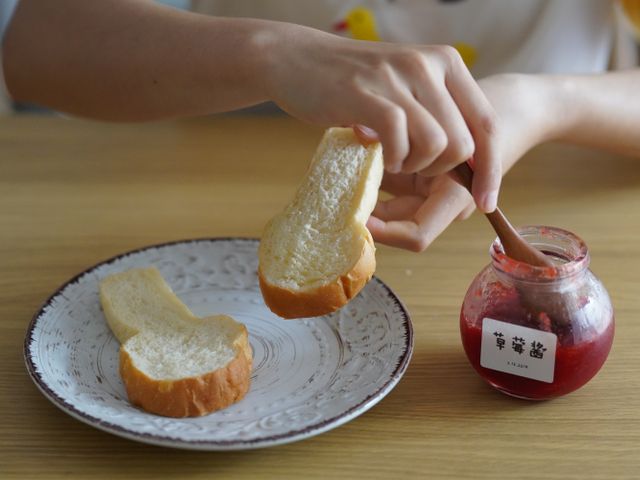
- Spread a generous layer of gochujang mayo on one side of each of the 4 toasted bread slices.
- On the two bottom slices, scatter half the chopped kimchi (about ¼ cup or 60 ml each).
- Top each with one fried egg, then place 4 slices of crispy Spam on top of the egg.
- Top with the remaining bread slices, mayo-side down.
+ Show details− Hide details
Ready when: sandwiches are fully assembled
Tip: Place the egg while still warm so the mayo melts slightly; arrange Spam slices slightly overlapping so they stay in place when you bite
Garnish and serve
- If desired, sprinkle sesame seeds over the top of each sandwich.
- Cut each sandwich in half diagonally and serve immediately while the egg yolk is still warm and runny.
+ Show details− Hide details
Tip: Cut diagonally so the halves are stable and easier to handle; the warm runny yolk will drip, so eat over a plate
Good to know
Tips
- For extra richness, add a thin slice of melted cheese (cheddar or American) under the egg before closing the sandwich.
- If your Spam rendering releases too much fat, blot a little with a paper towel between flipping—you want crispy, not greasy.
- Serve with a cold glass of milk or Korean corn drink (sujong-sua) for a classic pairing.
- This sandwich is best eaten immediately while everything is warm and the yolk is flowing; any delay and the bread absorbs moisture and becomes soggy.
Storage & reheating
Best eaten fresh. Leftover gochujang mayo can be stored in an airtight container in the refrigerator for up to 5 days and used on other sandwiches or as a dipping sauce. Do not store assembled sandwiches—bread will become soggy.
Substitutions
- Spam or other canned meat product → crispy bacon, Canadian bacon, or thin slices of sautéed Korean sausage (tteok-tteok-eomuk or similar). Adjust quantities and cooking time; sausage or bacon may cook faster and need less fat
- milk bread or brioche → brioche, Japanese shokupan, or thick-cut white sandwich bread. Any soft, buttery bread works; avoid whole wheat as it overpowers the delicate flavors
- kimchi, napa cabbage or radish → quick-pickled radish (mu-sukujebi), cucumber pickles, or daikon radish slaw. The sandwich needs acidity and crunch; any tangy vegetable works in a pinch
- gochujang (Korean red chili paste) → sriracha mayo or a blend of 1 tbsp mayo + ½ tsp sriracha + pinch of sugar. Gochujang has a deeper, fermented flavor, but sriracha provides heat and umami in a more familiar form