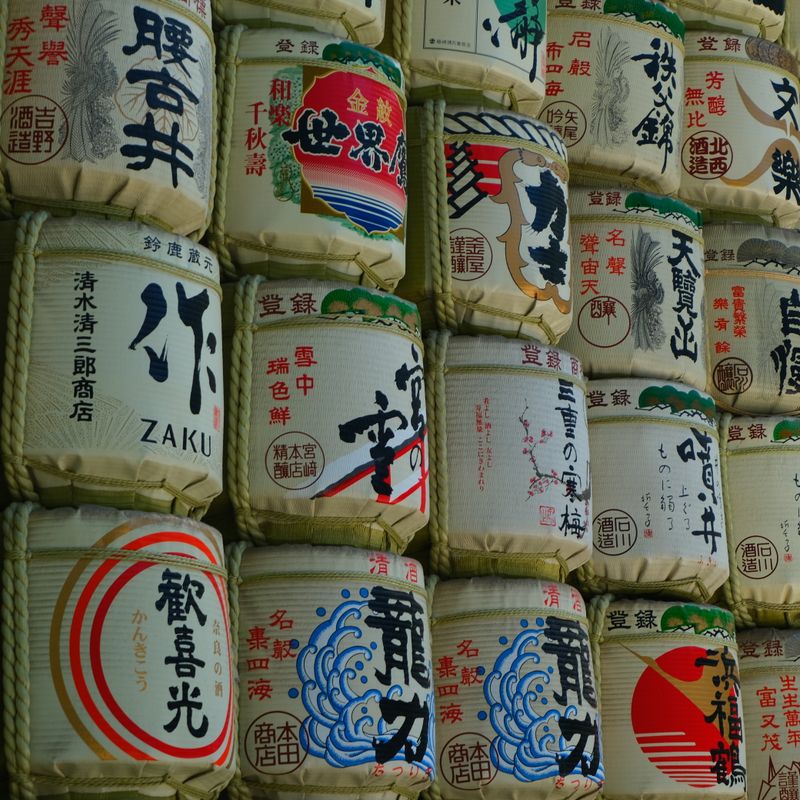
Japanese Sake Butter Corn Rice
A fragrant, buttery Japanese rice dish infused with sake and dashi, studded with sweet corn kernels. Short-grain rice steams in an aromatic broth, absorbing delicate flavors while remaining tender and slightly moist. The corn adds sweetness and texture, while butter and a hint of salt finish the dish with richness. Serve as an elegant side to grilled fish, chicken, or vegetables.
- Prep
- 10 min
- Cook
- 20 min
- Wait
- 15 min
- Total
- 45 min
- Makes
- 4 servings (about 3½ cups)
Steps
Before you start
- Measure the rice and rinse it under cool water until the water runs nearly clear—this removes excess starch and helps the rice cook evenly.
- If using fresh corn, cut kernels from the cob; frozen corn can be used straight from the bag.
- Prepare or have dashi (or substitute) ready before you begin cooking.
Combine broth and seasonings
- In the medium saucepan, combine the dashi broth, sake, salt, and mirin (if using).
- Bring to a gentle simmer over medium heat, stirring once or twice to ensure the salt dissolves completely.
- The liquid should smell fragrant and slightly alcoholic from the sake.
- Once simmering, reduce heat to low and keep it warm.
+ Show details− Hide details
Ready when: Broth gently simmers and salt is fully dissolved
Tip: Keep the broth warm on the stove so it helps cook the rice more evenly; cold liquid would slow cooking.
Add rice to pot
- Add the rinsed short-grain rice to the saucepan and stir gently for about 1 minute, coating each grain lightly with the hot broth.
- This toasting step helps the rice absorb the flavors and prevents it from becoming mushy.
+ Show details− Hide details
Ready when: Rice is evenly coated and begins to smell toasted
Tip: Gentle stirring—avoid crushing the grains; short-grain rice is delicate.
Bring to boil
- Increase heat to medium-high and bring the rice and broth to a rolling boil, stirring occasionally (about 2 minutes).
- You should see steam rising and hear a gentle bubbling sound.
+ Show details− Hide details
Ready when: Mixture boils with visible steam and active bubbles
Add corn and cover
- Stir in the corn kernels evenly throughout the rice.
- Reduce heat to low, place the lid on the saucepan, and cover securely.
- The liquid should just barely simmer (you may hear a very soft hiss or see a tiny wisp of steam escaping).
+ Show details− Hide details
Ready when: Corn is mixed in, lid fits snugly, heat is set to low
Tip: A tight-fitting lid is essential—any steam loss means the rice won't cook properly. If your lid doesn't seal well, place a kitchen towel under it.
Steam rice until tender
- Cook on low heat for 15 minutes without lifting the lid.
- Resist the urge to peek—every time you open the lid, heat and steam escape, which extends cooking time.
- After 15 minutes, all the broth should be absorbed and the rice should be tender and translucent at the edges.
+ Show details− Hide details
Ready when: No liquid visible on the surface; rice is tender when a grain is pressed between your fingers
Tip: If the bottom of the pot smells slightly charred or scorched after 15 minutes, your heat was too high—next time, use a lower setting. A very light crackling sound (okoge in Japanese) is desirable, but not burnt.
Rest off heat
- Remove the pot from heat and let it rest, still covered, for 5 minutes.
- This allows the rice to firm up slightly and ensures even moisture distribution throughout.
+ Show details− Hide details
Ready when: Steam no longer escapes when you peek under the lid
Finish with butter
- Remove the lid and fluff the rice gently with a wooden spoon or rice paddle, working from the bottom and sides to the top.
- Add the cold butter pieces and fold them in gently until melted and evenly distributed throughout the rice.
- The residual heat will melt the butter, creating a silky, luxurious texture.
+ Show details− Hide details
Ready when: Butter is fully melted and glossy throughout; rice grains are separate
Tip: Cold butter creates a richer finish than warm butter. Use a gentle folding motion to avoid breaking the delicate grains.
Serve
- Transfer the rice to a serving dish or individual bowls.
- Garnish with sliced green onions (if using) and serve immediately while hot.
+ Show details− Hide details
Tip: Green onions add a fresh, mild onion flavor that brightens the rich, savory rice.
Good to know
Tips
- Rinsing the rice is crucial—it removes starch that can make the rice gluey. Rinse until the water runs almost clear.
- Do not skip the resting step. It helps the rice firm up and makes it less likely to clump when served.
- If your kitchen is cool or the pot loses heat quickly, you can wrap the pot in a kitchen towel after adding the lid to help retain heat during steaming.
- Sake comes in many grades; use a drinking-quality sake that you would enjoy on its own. Cooking sake (aji-rin) often contains added salt and is not ideal for this recipe.
Storage & reheating
Store leftovers in an airtight container in the refrigerator for up to 3 days. Reheat gently in a covered saucepan over low heat with a splash of dashi or water, or in the microwave, covered, at 50% power for 1–2 minutes, stirring halfway through. Do not freeze—the butter separates and the texture becomes grainy.
Substitutions
- dashi broth (kombu and bonito, or instant dashi dissolved in water) → Chicken or vegetable stock. The dish will be less traditionally Japanese in flavor but still delicious. Use the same amount and ensure the broth is warm.
- sake (dry, drinking-grade) → Mirin or a splash of white wine. Mirin adds sweetness; white wine is more neutral. Use the same amount. The sake's dry, slightly floral note will be different.
- corn kernels (fresh or frozen) → Edamame, peas, or diced carrot. Maintains color, texture, and sweetness. Use the same amount. Add diced carrots a few minutes before the rice is done so they soften.
- short-grain white rice (such as sushi or Japanese rice), rinsed → Medium-grain or sushi rice. Short-grain rice is ideal for this dish's creamy texture, but medium-grain works if rinsed well. Do not use long-grain rice—it will be too dry.