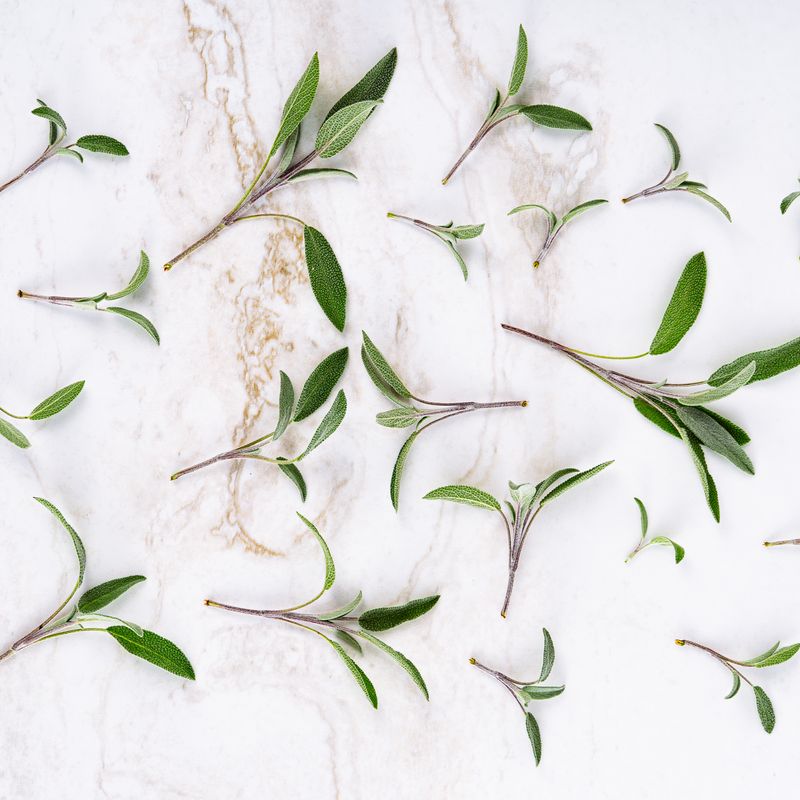
Tuscan White Bean and Sage Biryani
A delicate fusion biryani that layers fragrant basmati rice with creamy white beans infused with sage, garlic, and Tuscan herbs. Cooked using the traditional dum pukht (sealed pot) method, the rice and beans meld together while staying distinct, absorbing each other's essence. The result is an aromatic, comforting one-pot meal that honors both Indian and Italian culinary traditions.
- Prep
- 25 min
- Cook
- 45 min
- Wait
- 20 min
- Total
- 1 hr 30 min
- Makes
- 4 servings (about 1.5 cups each)
Steps
Before you start
- Soak basmati rice in cold water for 20 minutes, then drain well
- If using dried beans, soak overnight or quick-soak, then cook until just tender but not falling apart; canned beans work perfectly if drained and rinsed
- Slice garlic and sage ahead of time so assembly goes smoothly
- Have a heavy-bottomed pot with a tight-fitting lid ready
Bloom the garlic and sage
- Heat 2 tablespoons (30 ml) of olive oil in your heavy-bottomed pot over medium heat.
- Once shimmering, add the sliced garlic and torn sage leaves.
- Stir gently for 1–2 minutes until fragrant and the garlic turns pale gold but not brown.
- This releases the sage's essential oils.
+ Show details− Hide details
Ready when: Garlic is pale golden and sage is very fragrant
Tip: Watch closely—burnt garlic turns bitter and ruins the biryani's delicate flavor.
Toast the onion rings
- Add the sliced onion to the pot and stir frequently for 5–7 minutes until the onions are deeply caramelized and golden-brown.
- This builds a sweet, savory base layer.
- Season lightly with sea salt to help the onions release moisture.
+ Show details− Hide details
Ready when: Onions are golden-brown and jammy, edges beginning to caramelize
Tip: Don't rush this step—deep caramelization adds a sweet, complex note that defines Tuscan biryani flavor.
Deglaze with white wine
- Pour the dry white wine over the caramelized onions and garlic-sage layer.
- Scrape the bottom of the pot gently with a wooden spoon to lift all the browned bits.
- Let the wine simmer for 1–2 minutes until it reduces by about half and the raw alcohol smell dissipates.
+ Show details− Hide details
Ready when: Wine has reduced by roughly half and no strong alcohol smell remains
Tip: Use an actual dry white wine, not cooking wine—it makes a real difference in flavor.
Layer the white beans
- Spread the drained cooked white beans evenly over the wine-onion base.
- Season the beans lightly with sea salt and black pepper.
- The beans should form an even middle layer—don't stir.
- Drizzle another 2 tablespoons (30 ml) of olive oil over the beans.
+ Show details− Hide details
Ready when: Beans are in a single even layer
Tip: Keep layers distinct during assembly—they'll meld during the dum pukht but stay flavorful.
Arrange rice and aromatics
- Pour the drained basmati rice evenly over the beans.
- Do not stir.
- Scatter the bay leaves and thyme sprigs over the rice.
- Season generously with sea salt and black pepper.
- Drizzle the remaining olive oil (about 2 tablespoons / 30 ml) over the rice.
+ Show details− Hide details
Ready when: Rice, herbs, and oil are evenly distributed
Tip: Resist the urge to mix—layering keeps each component's flavor distinct.
Pour warm broth
- Slowly pour the warm vegetable broth over the rice, aiming for even coverage.
- The liquid should just cover the rice layer—if it looks too deep, use slightly less broth.
- This prevents a soupy, waterlogged biryani.
+ Show details− Hide details
Ready when: Broth evenly distributed over rice, liquid level just covering the top layer
Tip: Warm broth helps rice cook evenly; cold broth can create hot and cold spots.
Bring to a simmer
- Place the uncovered pot over medium-high heat.
- Bring the broth to a gentle boil, which should take 3–4 minutes.
- You'll see steam rising and small bubbles breaking the surface.
- This ensures the bottom won't scorch when you seal it.
+ Show details− Hide details
Ready when: Broth is gently boiling, steam rises visibly from the pot
Tip: Don't skip this step—pre-boiling ensures the rice cooks through during the sealed dum pukht phase.
Seal and dum pukht
- Reduce heat to low.
- Place the tight-fitting lid on the pot, pressing down slightly to ensure a good seal.
- The seal traps steam, which is crucial for the dum pukht method.
- Cook undisturbed for 18–20 minutes.
- The rice will steam gently in the sealed environment, absorbing all the liquid while staying fluffy.
+ Show details− Hide details
Ready when: No steam escapes from under the lid; all liquid is absorbed
Tip: Do not lift the lid during this time—escaping steam means uneven cooking. Trust the time.
Rest and fluff
- Remove from heat and let the pot rest, covered, for 5 minutes.
- This allows any residual steam to finish cooking the rice and lets the layers settle slightly.
- Carefully remove the lid (watch for hot steam), and gently fluff the rice with a fork, folding it together with the beans in a light, incorporative motion—don't mash.
+ Show details− Hide details
Ready when: Rice is tender and separate; beans are creamy and intact
Tip: Use a fork, not a spoon, to fluff—it keeps grains separate and the biryani light.
Finish and serve
- Transfer the biryani to a serving dish or individual bowls.
- Scatter the lemon zest over the top for brightness.
- If using Parmigiano-Reggiano, grate it over each serving just before eating.
- Serve hot, with crusty bread on the side to soak up any pooled oils.
+ Show details− Hide details
Ready when: Biryani is plated and ready to serve
Tip: Lemon zest adds a Tuscan freshness; parmesan is optional but adds a creamy umami note.
Good to know
Tips
- The dum pukht method's magic is the seal—a tight-fitting lid is non-negotiable. If your lid doesn't seal well, wrap foil around the edge where the pot and lid meet to trap steam.
- Do not stir or peek during the 20-minute sealed cooking. Each time you lift the lid, you release steam and add 2–3 minutes to the cooking time.
- For a richer version, use half vegetable broth and half light cream or crème fraîche, whisked together before pouring. This creates a luxurious, Tuscan-restaurant feel.
- Fresh herbs are essential here—dried sage lacks the bright, delicate flavor that makes this dish special. If you must use dried sage, use half the amount.
Make ahead
You can layer the entire biryani up through step 5 (just before bringing to a boil) up to 4 hours ahead. Cover and refrigerate. When ready to cook, bring the broth to a simmer on the stovetop before sealing, then proceed with steps 7–9. Add 2–3 minutes to the dum pukht time if the pot is cold from the fridge.
Storage & reheating
Store leftovers in an airtight container in the refrigerator for up to 3 days. Reheat gently on the stovetop over low heat with a splash of vegetable broth (2–3 tablespoons / 30–45 ml), covered, for 5–7 minutes until warmed through. Do not microwave, as it dries out the rice. The biryani does not freeze well because the rice texture becomes grainy after thawing.
Substitutions
- basmati rice, soaked and drained → Jasmine rice or Arborio rice. Jasmine is floral and lighter; Arborio is creamier. Both work, but basmati is traditional for biryani and gives the best texture.
- cooked cannellini beans (or white beans), drained and rinsed if canned → Chickpeas, great northern beans, or cannellini beans. All are creamy and mild. Chickpeas add nuttiness; great northern beans are more delicate. Avoid red or black beans—their flavors overpower the Tuscan herbs.
- vegetable broth, warm → Light chicken broth or water with a pinch of salt. Chicken broth adds savory depth; water works if you season generously. Avoid beef broth—too heavy for this delicate dish.
- fresh sage leaves → Fresh rosemary or a mix of basil and oregano. Rosemary is bold and piney; basil + oregano are lighter and more summery. Sage is most authentic to Tuscan flavor.
More biryani
See all →
Find more like this
- Meal
- Dinner
- Cuisine
- Tuscan
- Main ingredient
- Basmati RiceWhite Beans
- Method
- Oven
- Quick & Easy
- One-Pot