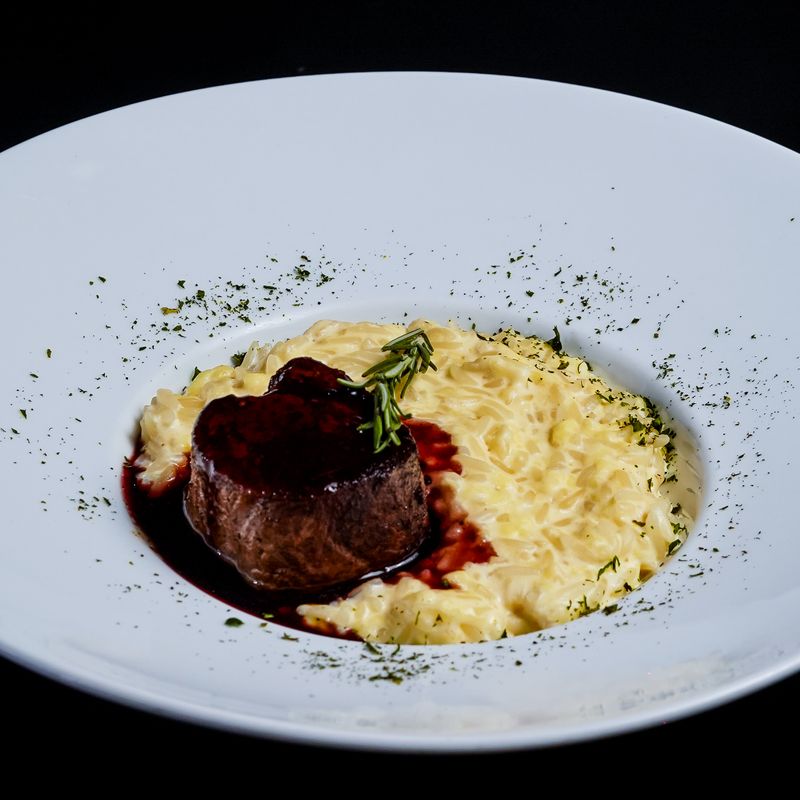
Slow Cooker Beef Cheek and Red Wine Ragù
Tender, fall-apart beef cheeks braised low and slow in red wine with tomato, garlic, and rosemary. This rustic Italian ragù develops deep, savory flavor over 6–8 hours and pairs beautifully with pasta, polenta, or crusty bread. The collagen in the cheeks transforms into silky gelatin, making the sauce luxuriously rich without any cream.
- Prep
- 20 min
- Cook
- —
- Wait
- 7 hr
- Total
- 7 hr 20 min
- Makes
- About 4 cups sauce (serves 6 as a pasta sauce)
Steps
Before you start
- Pat the beef cheeks dry with paper towels before searing—this ensures browning, not steaming.
- Sear the meat in a skillet on the stovetop; do not skip this step as it builds essential flavor.
- Chop all aromatics before you begin so assembly is quick.
Sear the beef
- Heat a large skillet (10–12 inch) over medium-high heat until shimmering.
- While it heats, pat the beef cheek chunks dry with paper towels and season generously with 1½ teaspoons kosher salt and ¾ teaspoon pepper.
- Add 2 tablespoons olive oil to the hot pan.
- Working in two batches to avoid crowding, sear the beef cheeks for 3–4 minutes per side until deeply browned on all surfaces.
- Transfer to a plate and set aside.
+ Show details− Hide details
Ready when: Beef is deeply browned (nearly mahogany) on all exposed surfaces
Tip: Do not skip searing—it creates the foundation of flavor through the Maillard reaction. The browning, not tenderness, is the goal at this stage.
Bloom the aromatics
- Lower the heat to medium.
- To the same skillet with the meat drippings, add the diced onion and cook, stirring occasionally, for 5 minutes until softened and light golden.
- Add the minced garlic and stir constantly for 30 seconds until fragrant.
+ Show details− Hide details
Ready when: Onion is translucent and soft; garlic is aromatic but not brown
Tip: Garlic burns quickly at medium heat, so add it last and keep the pan moving to prevent scorching.
Build the sauce base
- Increase heat to medium-high.
- Add the tomato paste and stir constantly for 1 minute to caramelize it slightly and deepen the flavor.
- Pour in the red wine and use a wooden spoon to scrape up any browned bits stuck to the bottom of the pan (this is fond, pure flavor).
- Simmer for 2 minutes to reduce the raw wine alcohol.
+ Show details− Hide details
Ready when: Wine is bubbling and noticeably reduced; raw wine smell fades
Tip: Scraping the fond transfers all the caramelized beef drippings into your sauce—never skip this step.
Combine in slow cooker
- Return the seared beef cheeks and any accumulated juices to the skillet.
- Add the crushed tomatoes, beef stock, fresh rosemary sprigs, bay leaves, and peppercorns.
- Stir to combine.
- Transfer everything to a 6–7 quart slow cooker, scraping the skillet clean.
+ Show details− Hide details
Tip: Do not add salt yet—the slow cooker will concentrate the braise. You'll adjust seasoning at the end.
Braise low and slow
- Cover the slow cooker and set it to LOW.
- Cook for 6–8 hours.
- After 4 hours, open the lid and stir gently, checking that the beef is submerged.
- The meat should be fork-tender and nearly falling apart; the braising liquid should be dark, rich, and aromatic.
+ Show details− Hide details
Ready when: Beef cheeks shred easily with a fork; sauce is dark and glossy
Tip: A low-heat, long braise is essential for cheeks—high heat will toughen them. Resist opening the lid too often; each opening extends cooking time by 20 minutes.
Finish and adjust seasoning
- Turn off the slow cooker.
- Using tongs or a fork, transfer the beef cheeks to a cutting board or bowl; they'll likely fall apart as you do.
- Taste the braising liquid and season with salt and pepper to your liking.
- If you prefer a thicker sauce, carefully strain the solids through a fine-mesh strainer and discard the herbs and bay leaves, returning just the liquid and shredded meat to the slow cooker.
- Stir in the optional balsamic vinegar if using—it adds subtle sweetness and depth.
+ Show details− Hide details
Tip: The collagen in the beef cheeks creates a naturally glossy sauce; do not add cornstarch or flour. If it seems too thin, leave the slow cooker uncovered on LOW for 30 minutes to evaporate excess liquid.
Serve
- Spoon the ragù over cooked pasta (pappardelle, tagliatelle, or rigatoni work beautifully), creamy polenta, or crusty bread.
- Garnish with fresh parsley and a crack of black pepper.
- Finish with a drizzle of good olive oil and grated Parmigiano-Reggiano if desired.
+ Show details− Hide details
Tip: Warming the serving bowls or plates beforehand keeps the ragù hot longer.
Good to know
Tips
- Beef cheeks are lean, flavorful cuts that benefit immensely from long, slow cooking. Do not rush this recipe by using high heat.
- If you can't find fresh beef cheeks, order them ahead from your butcher; they are not typically stocked but are often available upon request.
- For a silkier sauce, lightly mash the cooked beef cheeks with a fork once they're tender; you can also leave them chunky if you prefer larger pieces.
- This ragù freezes beautifully and actually tastes better after the flavors have time to marry—make it on a weekend and portion it for weeknight dinners.
Make ahead
Yes. The ragù actually improves after a day or two as flavors meld. Make it up to 3 days ahead, store in the fridge, and gently reheat before serving.
Storage & reheating
Refrigerator: up to 4 days in an airtight container. Freezer: up to 3 months. Reheat gently on the stovetop over medium-low heat, adding a splash of stock or water if it has thickened too much. Do not microwave, as it can scorch the bottom.
Substitutions
- beef cheek, cut into 2-inch chunks → Beef chuck (2-inch cubes) or beef short ribs. These are more widely available but lack the natural gelatin and delicate flavor of cheeks. Increase cooking time by 1–2 hours if using chuck.
- dry red wine (Burgundy, Côtes du Rhône, or Barbera) → Dry white wine or beef stock mixed with 1 tablespoon balsamic vinegar. Red wine is essential for color and tannins; white wine will produce a lighter ragù with less depth. Add 1 teaspoon sugar if using all stock.
- fresh rosemary sprigs → Dried rosemary (1 tsp) or fresh thyme (4 sprigs). Dried rosemary is half as potent; thyme is more delicate and won't overpower the dish.
- crushed tomatoes (canned) → One 28 oz can whole San Marzano tomatoes, crushed by hand. San Marzano tomatoes are less acidic and sweeter; hand-crushing preserves a rustic texture.
More sauces
See all →



Find more like this
- Meal
- Dinner
- Cuisine
- Italian
- Method
- Slow Cooker
- Quick & Easy
- EasyMake Ahead