Roasted Cassava and Lime Leaf Dip
A vibrant Caribbean-inspired dip featuring roasted cassava root blended with aromatic lime leaves, garlic, and creamy coconut. Fresh cilantro and lime juice brighten the earthy cassava, while a touch of green chili adds subtle heat. Serve warm or at room temperature with plantain chips, crispy tortillas, or fresh vegetables.
Steps
Before you start
- Preheat your oven to 400°F (200°C)
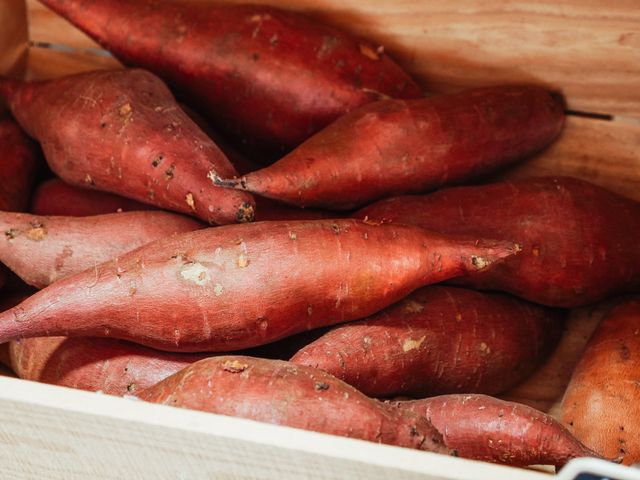
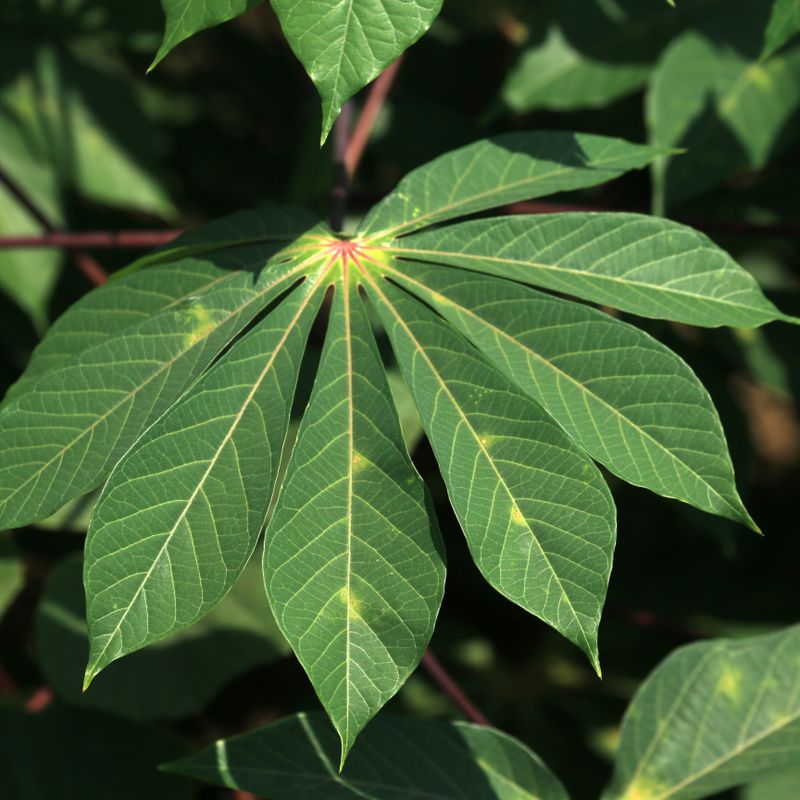
- Peel the cassava root under running water and remove the woody center core
- Have all aromatics measured and ready before roasting begins
Roast the cassavaOven 400°F / 205°C
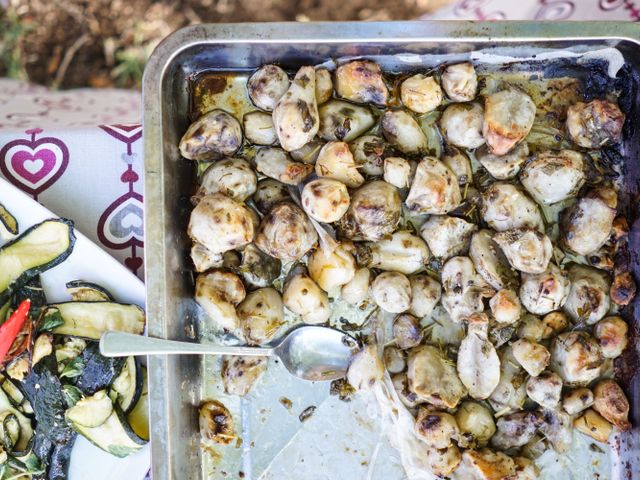
- Toss the cassava cubes on a rimmed 13×9-inch (33×23 cm) baking sheet with 1 tablespoon (15 ml) of the olive oil, sea salt, and black pepper.
- Spread in a single layer.
- Roast at 400°F (200°C) for 28–30 minutes, stirring halfway through, until the edges are golden and the centers are tender when pierced with a fork.
+ Show details− Hide details
Ready when: Cubes are tender inside and lightly golden at the edges
Tip: Don't skip stirring halfway—the cassava in the corners can brown too quickly if left undisturbed.
Toast lime leaves in oil
- While the cassava roasts, warm the remaining 1 tablespoon (15 ml) olive oil in a small skillet over medium-low heat.
- Add the torn lime leaves and let them soften gently for 2–3 minutes, stirring occasionally.
- The oil will become fragrant and the leaves will darken slightly.
- Remove from heat.
+ Show details− Hide details
Ready when: Lime leaves are soft and the oil smells bright and aromatic
Tip: Avoid high heat, which can make lime leaves bitter. This gentle infusion releases their delicate citrus oils.
Bloom garlic and chili
- In the same skillet, add the minced garlic and green chili (if using) to the lime-oil mixture.
- Cook over medium-low heat for 1–2 minutes, stirring constantly, until fragrant.
- Do not let the garlic brown or it will taste bitter.
- Remove from heat and set aside.
+ Show details− Hide details
Ready when: Garlic is softened and fragrant, with no browning
Tip: Keep the heat low to gently cook the garlic; high heat will char it and leave bitter, harsh flavors.
Cool cassava slightly
- Remove the roasted cassava from the oven and let it rest on the baking sheet for 3–5 minutes.
- This allows it to cool slightly, making it easier to blend and preventing the dip from becoming too hot to handle.
Combine and blend
- Transfer the slightly cooled cassava to a food processor.
- Add the lime leaf and garlic oil mixture, the coconut cream, lime juice, and fresh cilantro.
- Blend on medium-high speed for 2–3 minutes, scraping down the sides as needed, until the mixture is smooth and creamy.
- Some light texture is fine and actually desirable.
+ Show details− Hide details
Ready when: Mixture is smooth, creamy, and pale golden with flecks of cilantro throughout
Tip: Don't over-blend; a slightly rustic texture with small flecks of lime leaf and cilantro is more interesting than a completely smooth puree.
Taste and adjust seasoning
- Transfer the dip to a serving bowl.
- Taste and add more sea salt, black pepper, or fresh lime juice as needed.
- The dip should taste balanced—bright from the lime and cilantro, creamy from the coconut, and with a subtle lime-leaf aromatics in the background.
+ Show details− Hide details
Ready when: Seasoning is balanced and flavors pop on the palate
Tip: Taste carefully and adjust gradually; it's easier to add salt or lime juice than to dilute if you over-correct.
Serve
- Drizzle the top of the dip with a little extra olive oil and scatter with a few cilantro leaves if desired.
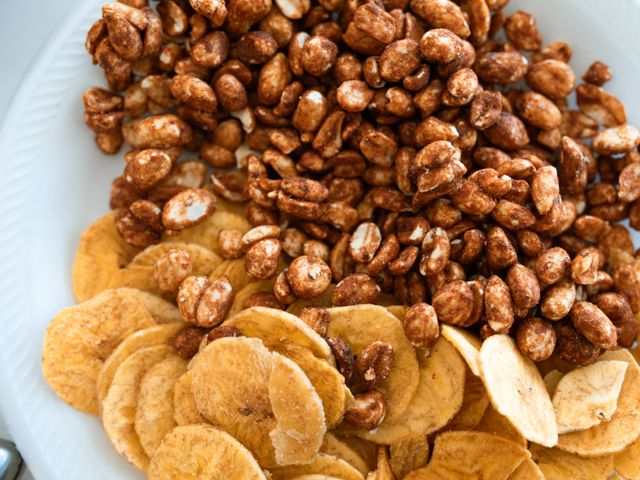
- Serve warm or at room temperature alongside plantain chips, crispy tortilla chips, cassava chips, or fresh vegetables such as radish, carrot, and bell pepper.
+ Show details− Hide details
Tip: A drizzle of good olive oil on top not only looks beautiful but adds richness and a subtle fruity note to the finish.
Good to know
Tips
- Cassava root can be starchy and slippery when peeling; use a sturdy vegetable peeler and work under running water to keep it from sliding around. Always remove the thin woody center core, which is inedible.
- Lime leaves (also called makrut or kaffir leaves) are worth seeking out in Asian or Caribbean markets; they define the dip's character in a way no other ingredient can replicate. If unavailable, order them online or use the substitution listed.
- Roasting cassava rather than boiling concentrates its flavor and adds a subtle sweetness and caramel notes. Boiled cassava would produce a blander dip.
- The dip tastes even better a few hours after it's made, once the flavors have had time to meld. It can be served warm straight from blending or chilled and brought back to room temperature.
Make ahead
The dip can be prepared up to 2 days ahead. Store in an airtight container in the refrigerator, then gently reheat in a small saucepan over low heat, stirring often, until warm and creamy. Add a splash of warm water if it becomes too thick.
Storage & reheating
Room temperature: up to 2 hours. Refrigerator: up to 3 days in an airtight container. Freezer: up to 1 month; thaw in the refrigerator and reheat gently over low heat. Reheat by stirring over low heat or warming in a microwave in 30-second intervals, stirring between each burst.
Substitutions
- fresh lime leaves → zest of 1 lime plus a small pinch of dried lime peel or lemongrass. Fresh lime leaves have a unique floral citrus note, but zest and dried botanicals offer a closer substitute than regular lime juice alone. Use about half the amount of dried botanicals.
- coconut cream → heavy cream or crème fraîche (same amount). This shifts the dip away from Caribbean flavor but keeps the creamy texture. The result will be less tropical and more European in character.
- fresh green chili (Scotch bonnet or serrano) → a pinch of cayenne pepper or 1 teaspoon minced jalapeño. Cayenne is more uniform in heat; jalapeño offers texture but less intensity than Scotch bonnet. Adjust to taste.
- fresh cilantro, packed → fresh parsley or a mixture of parsley and basil (same amount). This softens the herbaceous flavor profile. The dip will be less distinctly Caribbean but still flavorful.