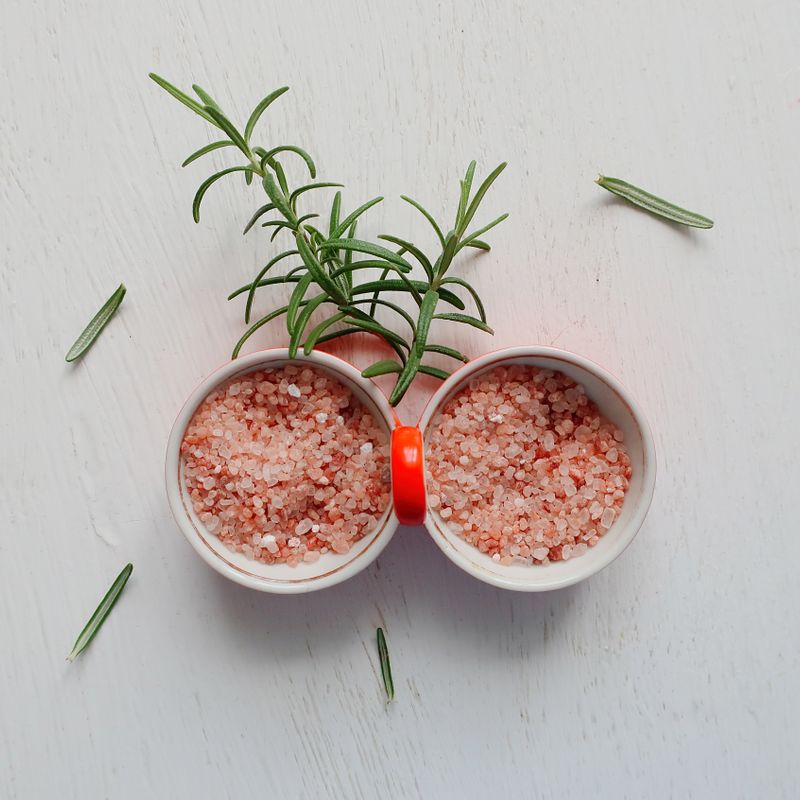
Mediterranean Herb Salt
A bright, versatile seasoning blend that captures the essence of Mediterranean cooking. This simple combination of sea salt with dried oregano, thyme, rosemary, and basil is perfect for finishing roasted vegetables, seasoning grilled meats and fish, or adding a final flourish to soups and salads. Make it once and have restaurant-quality seasoning on hand whenever you need it.
Steps
Before you start
- Ensure all dried herbs are fresh and fragrant (replace any older than 6 months)
- Have a clean, dry airtight glass jar ready for storage
- Gather measuring spoons for accurate proportions
Inspect and prepare ingredients
- Before you begin, check that all your dried herbs are fresh and fragrant—they should smell herbaceous and strong.
- Open each jar and take a whiff; if the aroma is faint or musty, the herbs are too old and should be replaced.
- Ensure everything is completely dry; any residual moisture can cause clumping later.
- Gather your measuring spoons, small mixing bowl, and airtight storage jar and arrange them on your work surface.
+ Show details− Hide details
Ready when: All herbs smell fresh and fragrant, everything is completely dry and ready to use
Tip: Dried herbs older than 6 months should be replaced, as they lose potency; fresh herbs make a noticeably better blend.
Measure all ingredients
- Using measuring spoons for accuracy, measure out 0.5 cup (120g) of fine sea salt into a small mixing bowl.
- Add 2 tablespoons (6g) of dried oregano, 2 tablespoons (6g) of dried thyme, 1 tablespoon (3g) of dried rosemary, and 1 tablespoon (3g) of dried basil, measuring each one into the same bowl.
- Have all ingredients visible before proceeding to the next step.
+ Show details− Hide details
Ready when: All ingredients are measured and visible in the bowl
Tip: Measure carefully and level off measuring spoons with a straight edge for consistent proportions each time you make this blend.
Crumble rosemary finely
- Take the measured dried rosemary and crumble it between your clean, dry fingers, breaking down the larger pieces into smaller fragments.
- This step is important because it releases the essential oils in the rosemary and helps it distribute more evenly throughout the blend.
- Continue until no large pieces remain and the rosemary is finely fragmented.
+ Show details− Hide details
Ready when: Rosemary is finely crumbled with no large pieces visible; texture is mostly small fragments
Tip: Crumbling by hand is gentler than grinding and preserves more of the herb's natural oils.
Combine and mix thoroughly
- Add the crumbled rosemary to the bowl with the salt and other herbs.
- Using a fork or small whisk, stir vigorously for about 2 minutes, making sure to break up any clumps of dried herbs and distribute the herbs as evenly as possible throughout the salt.
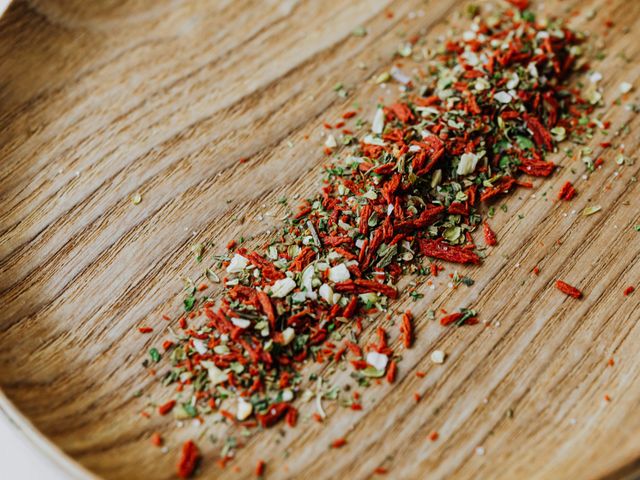
- The finished mixture should have a flecked appearance with visible green and purple herb pieces distributed uniformly; you should smell a strong, complex Mediterranean aroma.
+ Show details− Hide details
Ready when: Herbs are evenly distributed with no visible clumps; mixture is well combined, fragrant, and has a flecked appearance
Tip: If you have a mortar and pestle, you can gently crush all the herbs together for a more unified blend and stronger flavor, though this step is optional.
Transfer to storage jar
- Carefully pour the finished herb salt into a clean, dry airtight glass jar (8 oz / 240 mL capacity is ideal).
- Seal the jar tightly and label it with the date using a marker or sticker.
- Place the jar in a cool, dark cabinet away from direct sunlight, heat sources, and moisture.
- The blend will maintain peak flavor for up to 6 months.
+ Show details− Hide details
Ready when: Herb salt is sealed in an airtight container and properly labeled
Tip: Use an opaque or dark glass jar if possible to protect the delicate herbs from light degradation and help preserve their vibrant color and flavor.
Good to know
Tips
- For deeper, roasted flavors, lightly toast the dried herbs in a dry skillet over low heat for 1–2 minutes (just until fragrant) before mixing with the salt. Let cool completely before storing.
- Use this as a finishing salt sprinkled on dishes just before serving for maximum flavor impact. It's especially delicious on roasted vegetables, grilled fish, fresh tomatoes, and crusty bread.
- Add crushed red pepper flakes (¼ to ½ teaspoon) or dried garlic powder (¼ teaspoon) if you want to customize the blend further.
- Check that all your dried herbs are truly dry before storing; any residual moisture can cause clumping. If clumping occurs, break it up with a fork or spread on a plate to dry.
Make ahead
This herb salt is designed to be made ahead and stored for future use. Prepare it in batches and keep several jars on hand for quick seasoning throughout the week.
Storage & reheating
Store in an airtight glass jar at room temperature, away from direct light, heat, and moisture. Will maintain peak flavor for up to 6 months; the blend will gradually fade after that as the dried herbs lose potency. No refrigeration or freezing needed.
Substitutions
- dried oregano → marjoram. Marjoram is slightly sweeter and milder than oregano; use the same amount for a gentler Mediterranean flavor.
- dried thyme → savory (summer or winter savory). Savory is peppery and herbaceous; use 1 tablespoon or slightly less as it's more assertive than thyme.
- dried rosemary → sage. Sage is earthier and more peppery; reduce to ½ tablespoon to avoid overpowering the blend.
- dried basil → tarragon. Tarragon adds an anise-like note; use the same amount for a more French Mediterranean interpretation.
More spice blends
See all →
Find more like this
- Meal
- Dinner
- Cuisine
- Mediterranean
- Method
- No-Cook