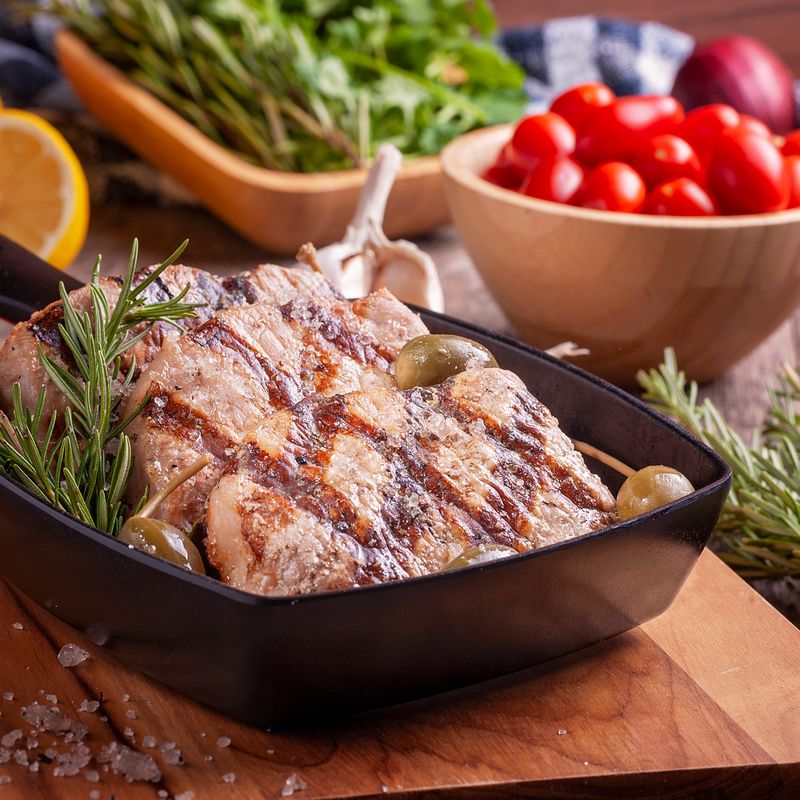
Lemon Herb Seasoning Salt
A vibrant, homemade Mediterranean seasoning blend that brings brightness and herb flavor to any dish. Sea salt anchors this mix of dried oregano, thyme, and basil, with fragrant lemon zest and garlic powder creating a versatile finish for meats, vegetables, fish, and roasted dishes. Ready in 10 minutes, it tastes fresher and more complex than store-bought blends and costs a fraction of the price.
- Prep
- 10 min
- Cook
- —
- Total
- 10 min
- Makes
- About 1/2 cup (makes approximately 20 teaspoons)
Steps
Before you start
- Gather all herbs and spices, checking expiration dates for freshness—old dried herbs will taste flat and won't carry flavor well
- Have a clean, dry airtight glass jar or container ready (plastic can absorb odors)
- Use a microplane or fine zester, not a box grater—coarse zest won't distribute evenly
Zest the lemons
- Using a microplane grater or fine zester, grate the zest from 2 lemons, being careful to remove only the bright yellow outer layer and avoid the bitter white pith underneath.
- You should have about 2–3 teaspoons (5 g) of zest.
- Set aside.
+ Show details− Hide details
Ready when: Clear, bright yellow zest with no white pith visible
Tip: Room-temperature lemons are easier to zest than cold ones. The white pith is bitter, so remove it carefully with each pass of the microplane.
Combine salt and dried herbs
- In a small bowl, add the sea salt, garlic powder, oregano, thyme, basil, and marjoram if using.
- Add the black pepper and rosemary if you're using them.
- Stir well and use the back of a spoon to gently crush any visible clumps in the dried herbs, breaking them up so the mixture is evenly combined with no large clusters.
+ Show details− Hide details
Ready when: All ingredients evenly distributed with no visible clumps or clusters
Tip: Dried herbs can clump as they sit on shelves or in containers. Breaking them up now ensures an even texture and balanced flavor throughout the finished blend.
Blend in lemon zest
- Add the grated lemon zest to the salt and herb mixture.
- Stir very thoroughly for 1–2 minutes, mixing until the bright yellow zest is evenly distributed throughout the blend with no visible pockets of concentrated zest.
+ Show details− Hide details
Ready when: Yellow zest is evenly distributed throughout; no visible pockets or clumps of zest remain
Tip: Thorough mixing now ensures balanced flavor in every pinch. Careless mixing means some uses will be intensely lemony and others barely flavored—this step is critical.
Transfer to airtight storage container
- Pour the seasoning salt into a clean, dry airtight glass jar or ceramic container with a tight-fitting lid.
- Seal it tightly.
- Store in a cool, dry place away from direct heat, sunlight, and moisture.
+ Show details− Hide details
Tip: Glass containers prevent the odor absorption that plastic containers can cause, which would affect the salt's flavor profile. Avoid storing near the stove or any heat source.
Good to know
Tips
- Use a microplane for the finest, most fragrant lemon zest—box graters produce coarse, fibrous zest that doesn't distribute evenly and tastes slightly grainy when you use the blend.
- Let the blend rest for at least 2 hours (overnight is ideal) before using. During this time, the lemon zest will slowly flavor the salt and the dried herbs will fully integrate. The aroma should become noticeably more complex and fragrant.
- Store in a glass or ceramic container, not plastic—plastic can absorb odors from the environment that will affect the subtle flavors of the blend. Make sure the jar is completely dry before filling to prevent any moisture.
- For an optional aromatic boost, lightly toast the dried herbs (not the salt or zest) in a dry skillet over medium heat for 1–2 minutes before mixing, stirring often so they don't burn. This awakens their essential oils and creates a richer blend, though it's optional—the blend is excellent without this step.
Make ahead
Mix up to 1 week in advance and store in a tightly sealed airtight jar in a cool, dry place. For best flavor, let the blend rest for 2–24 hours after mixing (overnight is ideal) before using—the lemon zest will flavor the salt and the herbs will fully integrate, creating a noticeably more complex taste. The blend is usable immediately if needed, but the difference after resting is worth the wait.
Storage & reheating
Room temperature in a sealed glass or ceramic container away from heat, humidity, and direct sunlight for up to 3 months. The flavor gradually diminishes but the blend remains usable for up to 6 months. No refrigeration or freezing needed. Discard if you notice any moisture inside the container or signs of mold.
Substitutions
- Lemon, fresh → Dried lemon zest (1 teaspoon) or citric acid mixed with salt (1/4 teaspoon citric acid + pinch of salt). Fresh zest has brighter, more volatile lemon notes; dried zest and citric acid are more concentrated and mellow. Both work well—choose based on what you have on hand.
- Dried oregano → Dried marjoram (use 1 tablespoon, same amount). Marjoram is slightly gentler and sweeter than oregano but delivers similar Mediterranean warmth. The blend will taste slightly softer.
- Sea salt → Kosher salt (Diamond Crystal brand: 1/4 cup; Morton's brand: 3–4 tablespoons because it's denser). Flavor is identical; texture may be slightly different. Avoid table salt—it's too fine and will clump due to anti-caking agents.
- Dried oregano → Fresh herbs dried in a low oven (100°F/38°C for 2–3 hours until completely dry, then crumbled) or freeze-dried herbs (half the amount, they're more concentrated). Oven-dried fresh herbs taste brighter; freeze-dried are more potent. Either option works beautifully if your dried herbs are old or unavailable.
More spice blends
See all →
Find more like this
- Meal
- Dinner
- Cuisine
- Mediterranean
- Main ingredient
- Lemons
- Method
- No-Cook