Lyon White Wine Grape Spritzer
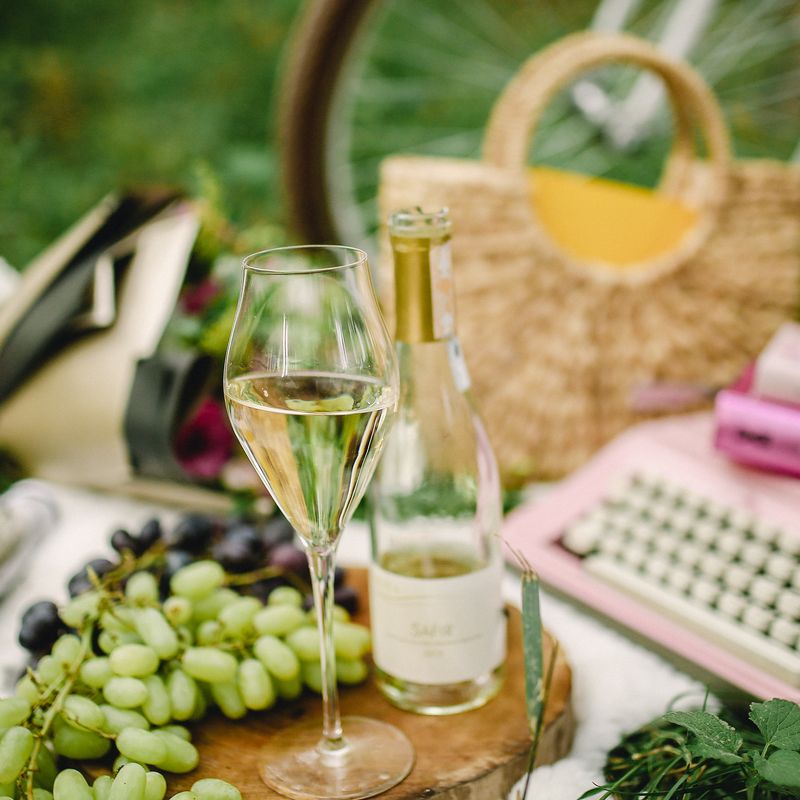
A sophisticated, alcohol-free spritzer inspired by the vineyards near Lyon. White grape juice and sparkling apple juice combine with a hint of vanilla to create a beverage that drinks like a light white wine. Serve chilled over ice with fresh fruit for an elegant, refreshing drink.
- Prep
- 5 min
- Cook
- —
- Wait
- 30 min
- Total
- 35 min
- Makes
- 4 servings (about 8 oz / 240 ml each)
Steps
Before you start
- Chill all ingredients and glasses in the refrigerator for at least 30 minutes
- Use high-quality white grape juice for the best flavor
- Prepare ice cubes or crushed ice ahead of time
Combine juices and vanilla
- Pour the chilled white grape juice (2 cups / 480 ml) and sparkling apple juice (1.5 cups / 360 ml) into a 1-quart (1 L) pitcher.
- Add the vanilla extract (½ teaspoon / 2.5 ml) and stir gently with a bar spoon or long spoon for about 30 seconds until the vanilla is fully incorporated.
+ Show details− Hide details
Ready when: Vanilla is fully mixed and no white streaks are visible
Tip: Use gentle stirring to preserve carbonation in the sparkling apple juice
Add optional sparkling water
- If you prefer a lighter, more effervescent drink, stir in the chilled sparkling water (½ cup / 120 ml) now.
- This step is optional—omit it for a richer, more juice-forward flavor.
+ Show details− Hide details
Tip: Add sparkling water only if you want extra fizz; it dilutes sweetness slightly
Fill glasses with ice and pour
- Fill each of the 4 chilled glasses about three-quarters full with ice cubes or crushed ice.
- Divide the spritzer mixture evenly among the glasses, pouring slowly over the ice to avoid too much fizz loss.
- Top each glass with about 2 oz (60 ml) of the mixture.
+ Show details− Hide details
Ready when: Each glass is filled and the mixture settles on the ice
Tip: Pour slowly and at an angle to minimize bubble loss and maintain carbonation
Garnish and serve
- Drop 2–3 white grapes, a thin apple slice, or a lemon twist into each glass for a wine-like presentation.
- Serve immediately while the drink is still cold and fizzy.
+ Show details− Hide details
Ready when: Garnish is placed and drink is ready to serve
Tip: Chill the garnish fruits beforehand so they don't warm the drink
Good to know
Tips
- Pre-chill everything—glasses, juices, ice—for the best drinking temperature and to preserve carbonation.
- Don't stir or shake the drink too vigorously once the juices are combined; you want to keep as much fizz as possible.
- For a more wine-like experience, serve in wine glasses rather than tall glasses, and use thinner ice cubes so they melt slowly.
- This mocktail pairs beautifully with light appetizers, cheese boards, or afternoon gatherings in a garden setting.
Make ahead
You can mix the white grape juice, sparkling apple juice, and vanilla extract up to 2 hours ahead. Keep the pitcher tightly covered in the refrigerator. Add ice and sparkling water (if using) just before serving to maintain carbonation.
Storage & reheating
This drink is best consumed immediately after mixing and serving. Once poured, it will lose carbonation within 15–20 minutes as the ice melts. Leftover unmixed juice can be refrigerated in an airtight container for up to 3 days.
Substitutions
- white grape juice, preferably from concentrate-free bottled juice → white cranberry juice or a 1:1 blend of white grape and white cranberry juice. Creates a slightly more tart, rosy flavor. Adjust vanilla to taste since cranberry is more assertive.
- sparkling apple juice (or sparkling cider, non-alcoholic) → sparkling pear juice or a mix of sparkling apple and sparkling white grape juice. Pear adds a subtle sweetness and sophistication; mixing two sparkling juices intensifies the wine-like quality.
- pure vanilla extract → a small pinch of ground nutmeg or a splash of elderflower cordial (¼ teaspoon / 1.25 ml). Nutmeg adds warmth; elderflower creates a floral, French wine-style note.
- sparkling apple juice (or sparkling cider, non-alcoholic) → dry ginger ale or tonic water for a different flavor profile. Ginger ale adds spice and warmth; tonic introduces a subtle bitterness similar to wine.