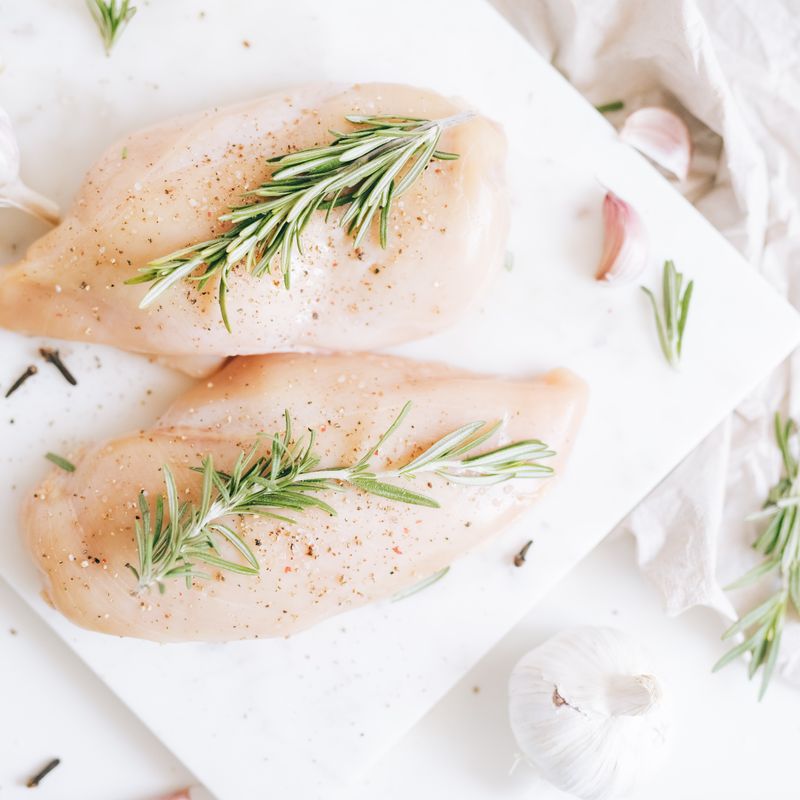
French Dijon Tarragon Chicken Marinade
A classic French marinade that marries the sharpness of Dijon mustard with the delicate anise notes of tarragon. White wine, garlic, and shallots build a sophisticated flavor base that infuses chicken with elegant French bistro taste. Perfect for chicken breasts, thighs, or a whole bird.
- Prep
- 10 min
- Cook
- —
- Wait
- 8 hr
- Total
- 8 hr 10 min
- Makes
- About 1 cup marinade (enough for 3–4 lbs chicken)
Steps
Before you start
- Pat chicken dry to help it absorb the marinade
- Measure all ingredients into one bowl for easy whisking
- Use a non-reactive container (glass or ceramic) for marinating
Whisk mustard and wine
- In a medium mixing bowl, whisk together the Dijon mustard, white wine, and white wine vinegar until smooth and well combined.
- The mixture should be the consistency of thin cream.
+ Show details− Hide details
Ready when: Mixture is smooth with no mustard clumps
Tip: Whisk the vinegar in slowly to avoid splashing
Incorporate honey and aromatics
- Whisk the honey into the mustard mixture until dissolved.
- Add the minced shallots and garlic, stirring well to distribute evenly throughout.
+ Show details− Hide details
Ready when: Shallots and garlic are evenly dispersed
Tip: Mince the shallots and garlic finely so they distribute evenly and cook into the chicken
Add tarragon
- Stir in the chopped fresh tarragon, mixing gently but thoroughly.
- Make sure the tarragon leaves are separated and not clumped together.
+ Show details− Hide details
Ready when: Tarragon is evenly distributed throughout
Tip: Chop tarragon just before adding to preserve its delicate flavor
Emulsify with oil
- Slowly drizzle the extra-virgin olive oil into the mixture while whisking constantly.
- This helps create an emulsion that will coat the chicken evenly.
- Whisk until the marinade is smooth and well combined.
+ Show details− Hide details
Ready when: Marinade is smooth and slightly thickened
Tip: Whisking while adding oil prevents the mixture from separating and ensures even coating
Season to taste
- Add the kosher salt and freshly ground black pepper.
- Whisk to combine.
- Taste a small spoon of the marinade and adjust seasoning as needed—it should be flavorful and slightly sharp.
+ Show details− Hide details
Ready when: Marinade tastes balanced and flavorful
Tip: Taste before marinating the chicken so you can adjust salt and pepper as needed
Marinate chicken
- Place chicken pieces in a non-reactive glass or ceramic container.
- Pour the marinade over the chicken, turning each piece to coat all sides evenly.
- Cover tightly with plastic wrap or a lid.
- Refrigerate for at least 4 hours, or preferably overnight (up to 12 hours).
- The longer the chicken marinates, the deeper the flavor.
+ Show details− Hide details
Ready when: Chicken is well coated and flavors have infused
Tip: Do not marinate longer than 12 hours or the acid in the vinegar may start to break down the chicken's texture too much
Good to know
Tips
- Reserve a small portion of the unmixed marinade (about 2 tablespoons) before adding raw chicken, then use it to drizzle over the cooked chicken for extra flavor
- Remove marinated chicken from the refrigerator 15 minutes before cooking to bring it closer to room temperature for more even cooking
- This marinade is excellent for broiling, grilling, or pan-searing chicken; the mustard helps create a beautiful golden crust
- Fresh tarragon is essential here—its subtle anise flavor is what makes this marinade distinctly French; dried tarragon loses much of that delicate character
Make ahead
Marinade can be prepared up to 3 days ahead and refrigerated in a sealed container. Marinate chicken up to 12 hours ahead for maximum flavor development.
Storage & reheating
Unused marinade can be refrigerated for up to 3 days. Do not store raw chicken in the marinade for longer than 12 hours. Once cooked, discard any leftover marinade that was in contact with raw chicken. For food safety, if you want to reserve marinade for basting, set aside a small portion before adding raw chicken.
Substitutions
- fresh tarragon leaves → dried tarragon. Use 1 tablespoon dried tarragon instead of 3 tablespoons fresh. Add it in step 3 so it rehydrates in the liquid.
- dry white wine (Sauvignon Blanc or Pinot Grigio) → dry vermouth or chicken broth. Vermouth adds a similar herbal note; use equal amount. Chicken broth will be less acidic but still flavorful.
- white wine vinegar → champagne vinegar or fresh lemon juice. Use equal amount of either substitute for similar acidity and brightness.
- Dijon mustard → whole grain mustard. Use equal amount. Whole grain will add texture and a slightly different mustard flavor.
More marinades
See all →



Find more like this
- Cuisine
- French
- Method
- No-Cook
- Quick & Easy
- EasyBeginnerMake Ahead