French Alsatian Bacon and Sauerkraut Brown Rice
A warm, deeply flavored braised rice dish inspired by Alsatian cuisine. Smoky bacon crisps alongside tangy sauerkraut and earthy brown rice, all unified by toasted caraway seeds and chicken stock. This side dish has the richness of a traditional Alsatian braise but with the nutty texture of whole-grain rice. Serve alongside pork, duck, or roasted chicken.
Steps
Before you start
- Have chicken stock warm or at room temperature before you start
- Measure brown rice and sauerkraut ahead of time
- Check that your pot has a tight-fitting lid for even cooking
Toast caraway seeds
- In a large heavy-bottomed pot (3½ to 4-quart) over medium heat, warm the caraway seeds for 1 to 2 minutes, stirring frequently.
- You'll smell a toasty aroma when they're ready.
- This releases their essential oils and deepens their flavor.
- Pour the seeds onto a small plate to cool slightly.
+ Show details− Hide details
Ready when: fragrant and warm to the touch
Tip: Watch carefully—caraway seeds can burn quickly if the pan is too hot.
Cook bacon until crisp
- Return the pot to medium heat.
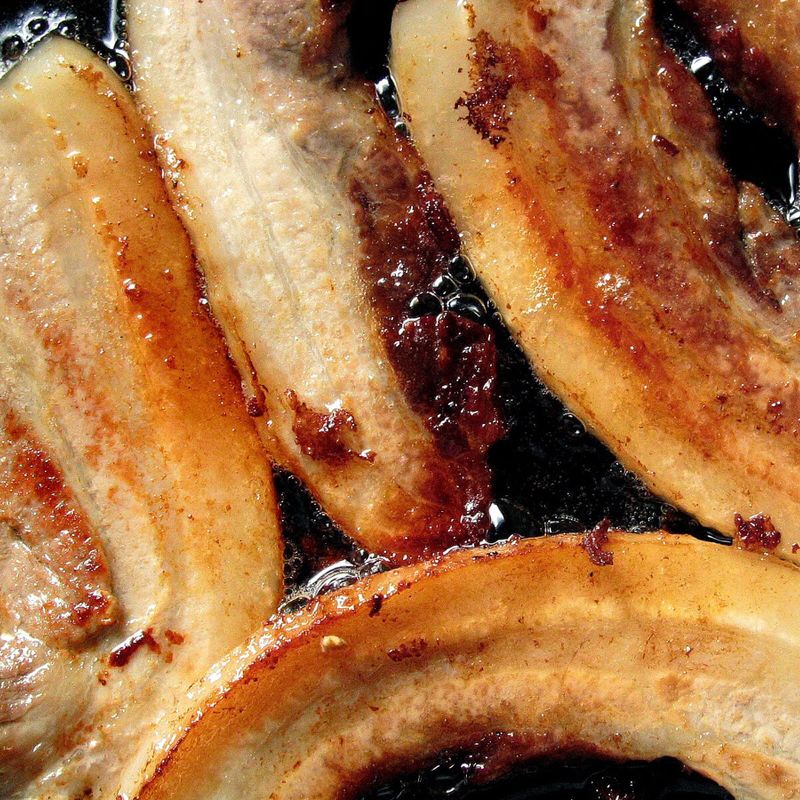
- Add the bacon strips and cook, stirring occasionally, for 5 to 7 minutes until the bacon is crisp and the fat has rendered.
- The bacon should be golden brown and the fat should shimmer in the bottom of the pot.
+ Show details− Hide details
Ready when: bacon is crisp and golden; fat is rendered
Tip: Don't drain the bacon fat—it's essential for sautéing the vegetables and flavoring the rice.
Sauté onion and build flavor
- Stir in the diced onion and the toasted caraway seeds.
- Cook for 3 to 4 minutes over medium heat, stirring occasionally, until the onion is softened and translucent.
- The onion should begin to caramelize slightly at the edges.
+ Show details− Hide details
Ready when: onion is soft and translucent, golden at edges
Tip: The bacon fat helps the onion caramelize—this builds depth of flavor.
Add rice and toast briefly
- Pour in the brown rice and stir constantly for 1 to 2 minutes.
- This toasts the rice grains lightly in the bacon fat, coating them evenly and helping prevent them from clumping during cooking.
+ Show details− Hide details
Ready when: rice grains are evenly coated and fragrant
Tip: Toasting brown rice this way adds a subtle nuttiness and ensures each grain cooks separately.
Stir in sauerkraut and stock
- Add the rinsed sauerkraut and stir well to combine with the rice.
- Pour in the warm chicken stock and add the bay leaves.
- Stir once more to distribute everything evenly.
- The liquid should just cover the rice.
+ Show details− Hide details
Ready when: all ingredients combined, liquid level at surface of rice
Tip: Rinsing the sauerkraut removes excess salt and brine, preventing the dish from becoming too sour or salty.
Bring to a simmer and cover
- Increase the heat to medium-high and bring the mixture to a gentle simmer, about 2 minutes.
- Once bubbles appear at the surface, reduce the heat to low and cover the pot with a tight-fitting lid.
- There should be a thin steam seal.
+ Show details− Hide details
Ready when: liquid reaches a gentle simmer
Tip: A tight lid is crucial—it traps steam and ensures the rice cooks evenly without drying out.
Braise rice until tender
- Reduce the heat to low and maintain a gentle simmer (you should barely hear the pot at this point).
- Do not stir.
- Cook for 35 to 40 minutes until the brown rice is tender and has absorbed nearly all the liquid.
- The rice grains should separate easily when you fluff with a fork, and the sauerkraut should be meld into the rice without any pooled liquid at the bottom of the pot.
+ Show details− Hide details
Ready when: rice is tender, grains separate easily, liquid nearly absorbed
Tip: Resist opening the lid—each peek releases steam and extends cooking time. The rice should be nutty and slightly chewy, not mushy.
Finish and season
- Remove from heat and uncover.
- Fluff the rice gently with a fork, breaking up any clumps.
- Remove and discard the bay leaves.
- Taste and adjust seasoning with salt (the bacon and stock may provide enough) and black pepper.
- Stir in the fresh parsley if using.
+ Show details− Hide details
Ready when: rice is fluffed, seasoned to taste
Tip: Fresh parsley adds a bright color and a hint of freshness that balances the richness of the bacon and tang of the sauerkraut.
Good to know
Tips
- Rinsing the sauerkraut is a key step—it mellows the saltiness and brine flavor while preserving the fermented tang that makes the dish distinctly Alsatian.
- Brown rice requires more liquid and longer cooking than white rice. Do not substitute without increasing stock and cooking time.
- The bacon fat is the flavor foundation of this dish—don't skip toasting the caraway or discard the rendered fat after cooking the bacon.
- Serve this rice alongside roasted pork, duck confit, or sausages for an authentic Alsatian meal. It also pairs beautifully with roasted chicken.
Make ahead
You can prepare this dish up to 1 day ahead. Cool completely, cover, and refrigerate. Reheat gently in a covered pot over low heat with a splash of chicken stock (2 to 3 tablespoons) to refresh the rice. Stir occasionally for 5 to 8 minutes until heated through.
Storage & reheating
Store leftovers in an airtight container in the refrigerator for up to 4 days. The dish is best served warm. To reheat, add a splash of stock and warm gently over low heat in a covered pot, stirring occasionally, for 5 to 8 minutes. Do not reheat in the microwave, as the rice will become mushy. The dish does not freeze well due to the rice texture.
Substitutions
- bacon, sliced into ¼-inch strips → smoked sausage or duck confit, cut into small pieces. Smoked sausage and duck confit offer similar richness and smokiness. Adjust amount to taste and cook until the fat renders.
- long-grain brown rice, uncooked → wild rice or a wild-brown rice blend. These grains have a similar cooking time (35–40 minutes) and add earthiness. You may need an extra ¼ cup stock.
- caraway seeds → fennel seeds or 1 teaspoon ground anise. Fennel and anise share caraway's licorice-like warmth. Use the same amount or reduce slightly, as anise is more assertive.
- sauerkraut, drained and rinsed → braised or stewed red cabbage (drained well). Red cabbage offers similar sweetness and tang. Drain thoroughly to avoid excess moisture and adjust salt to taste.