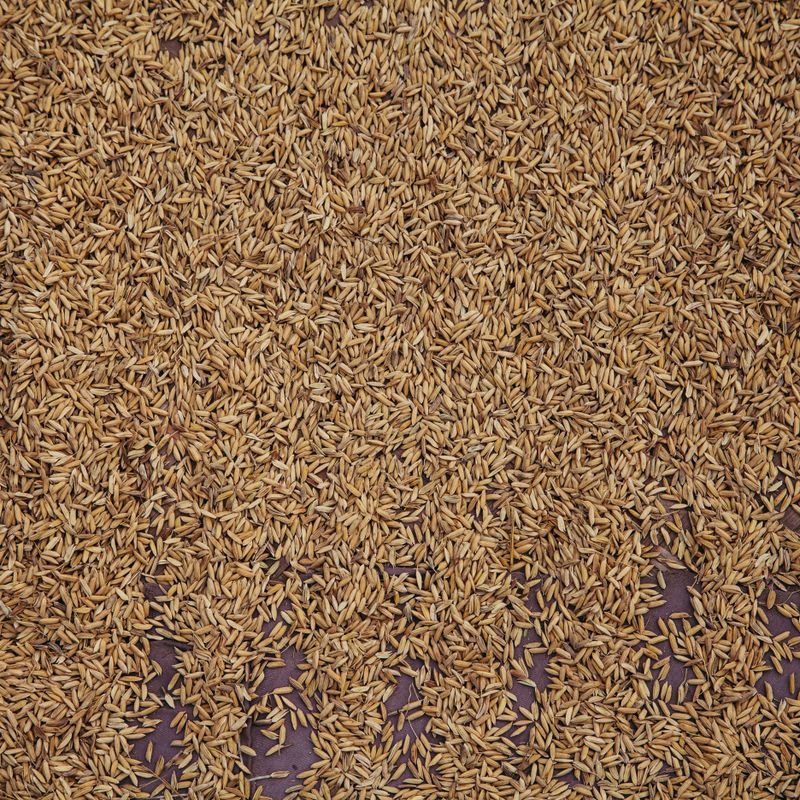
Charred Labneh and Crispy Thyme Seed Brown Rice
A Middle Eastern–inspired rice side dish that layers nutty brown rice with charred, creamy labneh and crunchy thyme seeds. The labneh is quickly pan-charred to concentrate its tangy flavor and give it a slight caramelized edge, while the thyme seeds toast in a separate pan until fragrant and crispy. Finished with a drizzle of garlic-infused oil and a squeeze of lemon, this dish is tangy, aromatic, and deeply satisfying as a side for grilled meats or roasted vegetables.
- Prep
- 10 min
- Cook
- 35 min
- Wait
- 10 min
- Total
- 55 min
- Makes
- 4 servings (about 1 cup per serving)
Steps
Before you start
- Have the labneh at room temperature so it spreads easily and chars better
- Toast the thyme seeds separately from the rice to control their crispness
- Set up a small bowl of lemon juice and have it ready for finishing
- If using store-bought brown rice, ensure it's not instant variety
Boil water and rice
- In a large pot with a lid, bring 3 cups (710 ml) of water to a boil over medium-high heat.
- Add 1 teaspoon (6 g) of kosher salt, then stir in the rinsed brown rice.
- Return to a boil, then reduce heat to low.
- Cover and simmer for 30 minutes.
+ Show details− Hide details
Ready when: Water is absorbed and rice grains are tender but still have slight firmness when bitten
Tip: Do not lift the lid during cooking; this releases steam and prolongs cooking time.
Toast thyme seeds
- While the rice cooks, heat a small 8–10 inch skillet over medium heat.
- Once warm, add 3 tablespoons (12 g) of thyme seeds (or dried thyme leaves).
- Toast for 2–3 minutes, stirring often, until fragrant and the seeds darken slightly.
- The edges should show light browning.
- Transfer to a small bowl and set aside.
+ Show details− Hide details
Ready when: Thyme is fragrant, darker in color, and seeds or leaves feel dry and crispy
Tip: Watch carefully; thyme seeds burn quickly and will taste bitter if overtoasted. If using thyme leaves, stir almost continuously.
Rest cooked rice
- Once the rice is tender, remove the pot from heat but keep the lid on.
- Let it rest for 5 minutes.
- This allows any remaining moisture to redistribute evenly through the grains.
+ Show details− Hide details
Ready when: Rice grains are fully cooked and no liquid pooling at the bottom
Prepare garlic oil
- In the same skillet used for thyme (no need to wash), warm 4 tablespoons (60 ml) of extra-virgin olive oil over medium heat.
- Add 2 minced garlic cloves and cook for 1–2 minutes, stirring gently, until the garlic is pale golden and fragrant.
- Do not let it brown darkly.
- Remove from heat.
+ Show details− Hide details
Ready when: Garlic is pale gold and very fragrant; oil is infused with garlic flavor
Tip: Low and slow is key here; burnt garlic tastes acrid. Olive oil should shimmer but not smoke.
Char labneh in skillet
- Return the skillet with the garlic oil to medium-high heat.
- Once hot, add the 1 cup (240 ml) of room-temperature labneh in a single clump or in 2–3 dollops spread across the skillet.
- Let it sit undisturbed for 2–3 minutes.
- You should see the bottom edges turn golden and slightly caramelized.
- Gently fold and flip portions with a wooden spoon, trying to expose new surfaces to the hot pan.
- Cook for another 2–3 minutes until the labneh has light brown spots and looks creamy yet charred in patches.
- The mixture should move as one loosened mass, not completely broken down.
+ Show details− Hide details
Ready when: Labneh has golden and light-brown patches; it moves easily in the pan and smells deeply caramelized
Tip: Do not over-stir or the labneh will break into small pieces. A gentle fold or two allows even charring without disturbing its creamy texture too much.
Fluff and combine
- Fluff the cooked rice with a fork to separate the grains.
- Transfer the rice to a large serving bowl.
- Pour the charred labneh and all its oil over the rice.
- Add 2 tablespoons (30 ml) of fresh lemon juice and the toasted thyme seeds.
- Toss gently with the fork until the labneh breaks into smaller creamy pieces distributed throughout the rice and the oil coats the grains.
+ Show details− Hide details
Ready when: Rice is evenly coated with a creamy labneh and oil mixture; thyme is visibly distributed throughout
Tip: Gentle tossing keeps the labneh slightly chunky and textured rather than homogenized. The charred bits add visual interest and depth.
Season and serve
- Taste and adjust seasoning with kosher salt and freshly cracked black pepper.
- If desired, sprinkle 0.25 teaspoon (0.5 g) of Aleppo pepper or red pepper flakes over the top for a subtle heat and color.
- Serve warm or at room temperature.
+ Show details− Hide details
Ready when: Dish is well-seasoned and flavors are balanced between tangy, nutty, and herbaceous
Tip: Taste before adding much salt; labneh is already tangy and the garlic oil adds depth, so a light hand prevents over-salting.
Good to know
Tips
- This dish is best served warm when the labneh is still creamy and the rice has just absorbed the oil. Room-temperature serving is also delicious and works well for a cold meal or picnic.
- If your labneh is very thick and cold, bring it to room temperature and, if needed, loosen it with 1–2 tablespoons of water so it spreads into the pan more easily without clumping.
- Aleppo pepper adds a lovely fruity heat and is less sharp than standard red pepper flakes; it is worth seeking out at Middle Eastern markets or online.
- The charred spots on the labneh are intentional and add visual drama and depth of flavor. Do not fear them—they taste complex and slightly nutty, not burnt.
Make ahead
You can cook the rice and toast the thyme seeds up to 4 hours ahead. Store separately at room temperature in airtight containers. Char the labneh just before serving to keep its texture and warmth. Assemble no more than 30 minutes before eating so the rice stays warm and the flavors stay distinct.
Storage & reheating
Room temperature (covered): up to 2 hours. Refrigerator (airtight container): up to 3 days. To reheat, warm gently in a skillet over low heat with a splash of water or lemon juice to loosen the rice and restore creaminess. Do not freeze; the labneh and rice textures do not hold well after thawing.
Substitutions
- labneh (strained yogurt) → Greek yogurt (full-fat, strained through cheesecloth for 30 minutes if very liquid, or use as-is for a looser consistency). Greek yogurt is tangier and thinner than labneh, so it will not hold its shape quite as well when charred, but the flavor is similar and it will still create a creamy coating.
- thyme seeds (or dried thyme leaves) → Dried oregano or dried marjoram (use same quantity). These herbs are slightly less aromatic than thyme seeds but will provide a similar Mediterranean herb flavor and crispness when toasted.
- long-grain brown rice → Farro or spelt berries (use 1.5 cups / 285 g, cooking time may extend to 40–45 minutes). These grains are chewier and have a more robust flavor than brown rice. Adjust water to 3.5 cups (830 ml) and watch near the end to ensure they soften fully.
- fresh lemon juice → White wine vinegar or pomegranate molasses (use 1.5 tablespoons / 22.5 ml). Both add tangy brightness. Pomegranate molasses is deeper and slightly sweeter; white vinegar is more acidic and sharp.
More rice bowls
See all →


Find more like this
- Meal
- Dinner
- Cuisine
- Middle Eastern
- Main ingredient
- Brown Rice
- Method
- Stovetop