Buttermilk Drop Biscuits
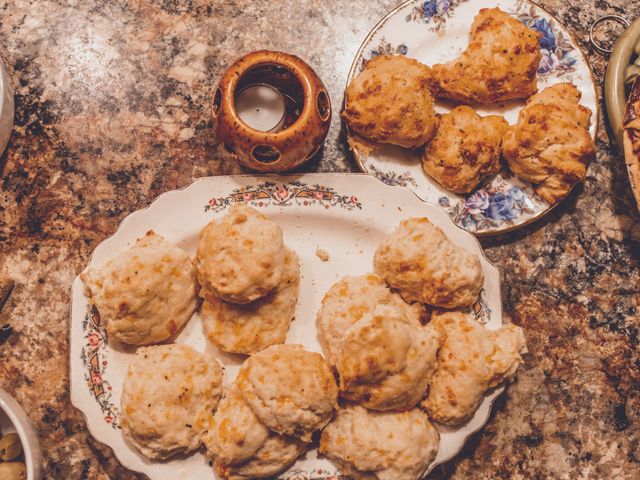
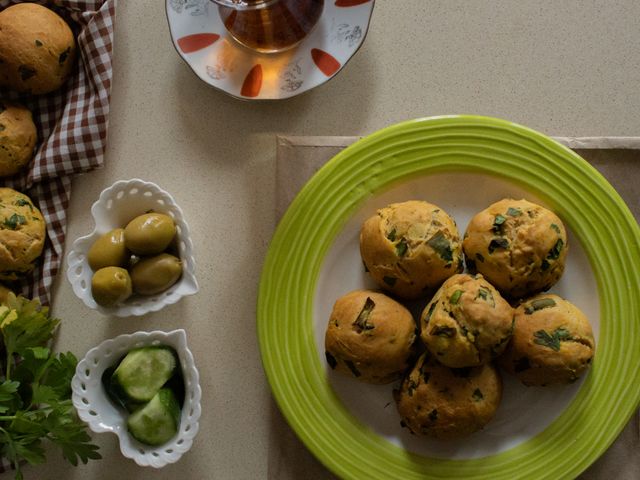
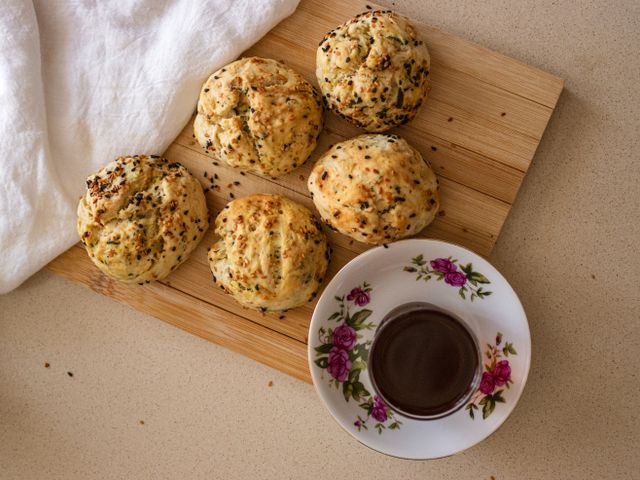
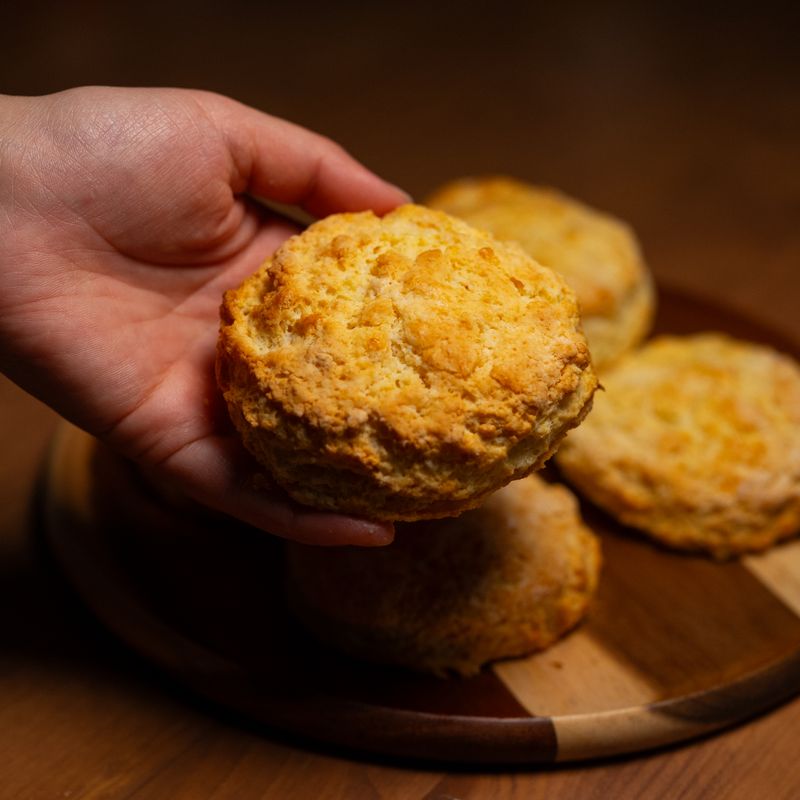
Tender, flaky biscuits made by dropping spoonfuls of dough directly onto a baking sheet—no rolling or cutting required. Buttermilk adds tang and helps the biscuits rise high and stay moist. These are perfect alongside soup, stew, or fried chicken, and come together in under 30 minutes.
Steps
Before you start
- Preheat oven to 425°F (220°C)
- Use cold buttermilk straight from the refrigerator
- Cut butter into small cubes and keep cold until mixing
Mix dry ingredients
- In a large bowl, whisk together the flour, baking powder, and salt until evenly combined.
- This distributes the leavening agent and salt throughout the dough.
+ Show details− Hide details
Ready when: Flour mixture looks uniform with no streaks
Tip: Whisk rather than just stirring to aerate the flour slightly and ensure even distribution of baking powder.
Cut in cold butter
- Add the cold butter cubes to the flour mixture.
- Using a fork, two knives, or your fingertips, quickly work the butter into the flour until the mixture resembles coarse meal or breadcrumbs, with some pieces of butter still visible (pea-sized or smaller).
- This takes 1–2 minutes.
- Do not overmix; the small butter pieces create steam pockets that make the biscuits flaky.
+ Show details− Hide details
Ready when: Mixture looks like coarse breadcrumbs with some pea-sized butter pieces visible
Tip: Keep your hands cool and work quickly. If the butter gets warm and fully incorporated, the biscuits will be dense rather than flaky.
Add buttermilk
- Pour the cold buttermilk into the flour-butter mixture.
- Stir gently with a fork until the dough just comes together.
- Do not overmix; the dough will look slightly shaggy and lumpy, and that is correct.
- A few streaks of flour may remain.
- Overworking develops gluten and makes biscuits tough.
+ Show details− Hide details
Ready when: Dough just holds together; some flour streaks okay
Tip: Stir only until the liquid is absorbed. If you see a few dry pockets of flour, gently fold the dough once or twice rather than stirring vigorously.
Drop onto baking sheet
- Line a 9×13-inch baking sheet with parchment paper.
- Using a 1½-tablespoon cookie scoop or two spoons, drop 12 mounds of dough onto the prepared sheet, spacing them about 1½ inches (4 cm) apart.
- The dough will be sticky and slightly rough; that is normal.
+ Show details− Hide details
Ready when: 12 dough mounds on baking sheet
Tip: If using a scoop, release the dough with a light press of your thumb. If using spoons, dip one spoon in water between drops so dough does not stick.
Bake until goldenOven 425°F / 220°C
- Bake at 425°F (220°C) for 12–14 minutes, until the tops are light golden brown and the edges just begin to darken slightly.
- The biscuits should rise and set but still feel slightly tender when gently pressed on top.
+ Show details− Hide details
Ready when: Tops are light golden brown; centers feel set but yield slightly to gentle pressure
Tip: Check at 12 minutes—oven temperatures vary. If the tops brown too quickly, rotate the sheet halfway through baking.
Cool and serve
- Remove the baking sheet from the oven and let the biscuits cool on the sheet for 2–3 minutes.
- Transfer to a wire rack or serve warm.
- Biscuits are best eaten within a few hours while still tender.
+ Show details− Hide details
Ready when: Biscuits hold their shape when moved
Tip: Serve with butter, honey, jam, or alongside your favorite main dish while they're warm for the best flavor and texture.
Good to know
Tips
- The key to flaky biscuits is cold ingredients and minimal mixing. Keep your butter cold, use cold buttermilk, and stir only until the dough comes together.
- Drop biscuits are more forgiving than rolled biscuits because there's no kneading or cutting—perfect for beginners.
- For extra-fluffy biscuits, use cake flour (with lower protein content) in place of all-purpose flour in an equal amount by weight.
- Brush warm biscuits with melted butter mixed with fresh herbs (thyme, chives, parsley) for a savory variation.
Storage & reheating
Room temperature: up to 4 hours in an airtight container or wrapped in foil. Refrigerator: up to 2 days in an airtight container. Freezer: up to 1 month in a freezer bag. Reheat thawed biscuits in a 300°F (150°C) oven for 5–7 minutes, or wrap in foil and warm in a 375°F (190°C) oven for 3–5 minutes.
Substitutions
- cold unsalted butter → cold vegetable shortening or cold coconut oil. Both create very flaky biscuits, though butter adds the most flavor. Use the same weight.
- buttermilk → 1 cup (240 ml) whole milk mixed with 1 tablespoon (15 ml) lemon juice or vinegar, left to sit for 5 minutes. A quick substitute if you don't have buttermilk on hand. The acid mimics buttermilk's tang.
- kosher_salt → table salt. Use about ½ teaspoon (3 g) table salt, since it is finer and more densely packed than kosher salt.
- baking powder → 1 teaspoon baking soda mixed with 1½ teaspoons cream of tartar. Equivalent to 2.5 teaspoons baking powder. Mix into the flour well.