Bacon and Egg Cream Sauce
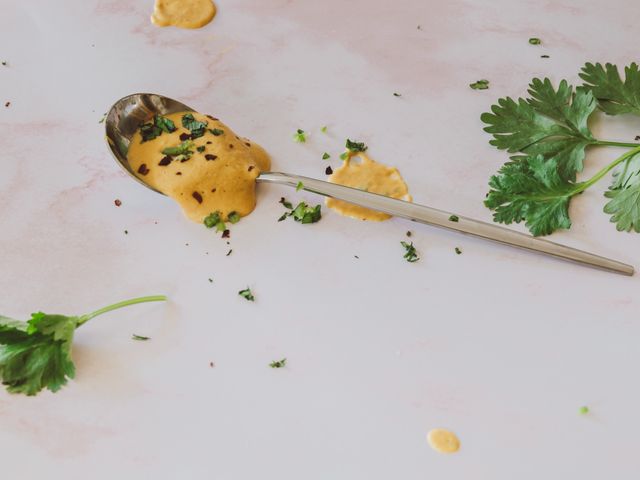
A silky, savory cream sauce enriched with crispy bacon, eggs, and sharp Parmesan. This versatile sauce clings beautifully to pasta and comes together in minutes. The eggs create a luxurious base without scrambling, while bacon adds smoke and depth. Toss immediately with hot pasta for the best texture.
- Prep
- 10 min
- Cook
- 12 min
- Total
- 22 min
- Makes
- About 1½ cups sauce (4 pasta servings)
Steps
Before you start
- Bring a large pot of salted water to a boil for pasta (if serving with pasta)
- Have all ingredients prepped and measured before you start cooking
- Reserve ½ cup (120 ml) pasta cooking water before draining the pasta
Cook the bacon
- Place the bacon pieces in a large skillet (do not add any fat).
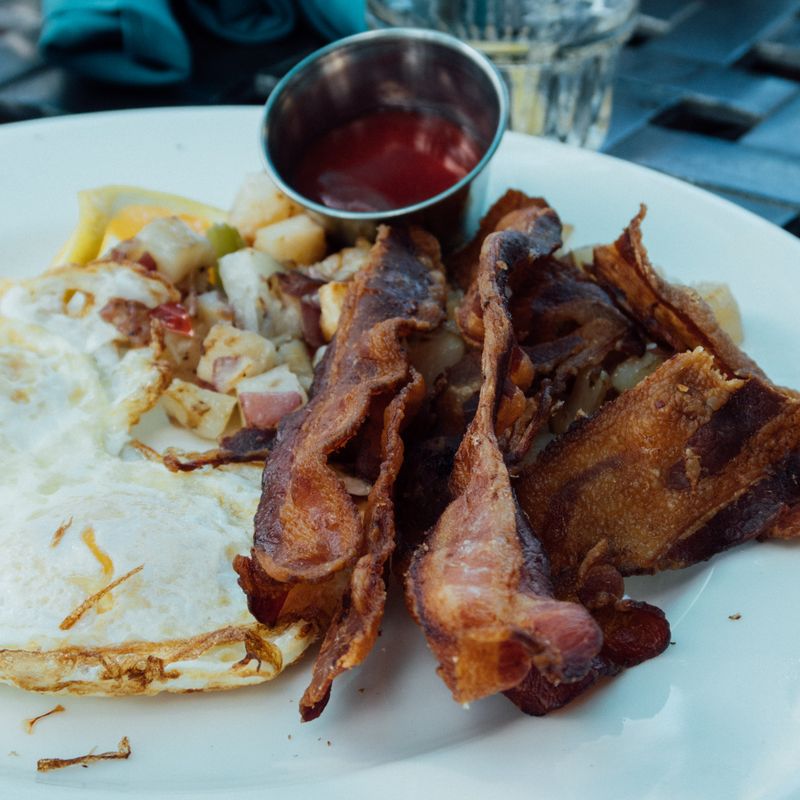
- Turn the heat to medium and cook, stirring occasionally, for 8–10 minutes until the bacon is crispy and deep golden brown.
- The fat will render as it cooks.
- Use a slotted spoon to transfer the bacon to a paper-towel-lined plate, leaving the fat in the skillet.
+ Show details− Hide details
Ready when: Bacon is crispy and deep golden brown with rendered fat pooling in the pan
Tip: Don't skip the crispy stage—soft bacon won't have the depth this sauce needs. Use thick-cut bacon if available, as thin bacon can turn brittle.
Sauté the garlic
- Add the minced garlic to the bacon fat in the skillet and cook over medium heat for about 1 minute, stirring constantly, until fragrant.
- Do not let it brown—garlic burns quickly in hot fat and will taste bitter.
+ Show details− Hide details
Ready when: Garlic is fragrant and very lightly golden
Tip: Keep the heat at medium so the garlic perfumes the fat without scorching. If the pan feels too hot, pull it off the flame briefly.
Whisk eggs and cream
- While the garlic cooks, whisk together the eggs, cream, and grated Parmesan in a small bowl until smooth and fully combined.
- Season lightly with salt and black pepper.
- Set aside.
+ Show details− Hide details
Ready when: Mixture is smooth with no lumps of cheese
Tip: Whisking the eggs with cream and cheese first prevents them from scrambling when they hit the hot pan. The cream acts as a buffer.
Temper and combine the sauce
- Remove the skillet from the heat.
- Wait 30 seconds for the pan to cool slightly, then slowly pour the egg-cream mixture into the skillet while whisking constantly.
- The residual heat will gently cook the eggs, creating a silky sauce.
- Whisk for 1–2 minutes until the sauce is smooth and no raw egg taste remains.
- Stir in the crispy bacon pieces.
+ Show details− Hide details
Ready when: Sauce is smooth, glossy, and coats the back of a spoon; no scrambled egg curds visible
Tip: This is the most critical step. Removing the pan from heat before adding the egg mixture is essential—it prevents scrambling. Whisk vigorously to keep the eggs moving.
Season to taste
- Taste the sauce and adjust with a pinch more salt and a generous grind of black pepper.
- The Parmesan is already salty, so season carefully.
- If the sauce is too thick, thin it with 1–2 tablespoons (15–30 ml) of pasta cooking water.
+ Show details− Hide details
Ready when: Sauce tastes well-balanced and coats a spoon without being too thick
Tip: Pasta water's starch helps the sauce emulsify and cling to noodles. Add it in small amounts and whisk well.
Good to know
Tips
- This sauce is perfect for fettuccine, spaghetti, or rigatoni. Toss the hot pasta directly into the warm skillet and mix well so every strand gets coated. The starch from the pasta water helps the sauce emulsify.
- Do not let the sauce simmer or boil after the eggs are added. High heat scrambles the eggs and breaks the cream. The magic is in the gentle, residual heat of the pan.
- For extra richness, save the rendered bacon fat before cooking the garlic and use it again as a finishing drizzle over plated pasta.
- If you're nervous about the eggs, you can use pasteurized eggs, which are safer and cook at a lower temperature. Room-temperature eggs temper more gently than cold ones from the fridge.
Storage & reheating
This sauce is best served immediately, as the creamy texture will set and thicken as it cools. If you must hold it, keep it warm (not hot) in a low oven for up to 15 minutes. Do not refrigerate—the eggs and cream separate when chilled. Leftover sauce can be reheated gently over low heat with a splash of cream or pasta water, stirring constantly, but texture will not be the same.
Substitutions
- heavy cream → Half-and-half or whole milk mixed with 2 tablespoons (30 g) butter. The sauce will be lighter and less rich, but it will work. Use half-and-half for a middle ground between light and luxurious. Whole milk alone is too thin and won't coat the pasta as well.
- Parmigiano-Reggiano cheese → Pecorino Romano or aged Asiago. Pecorino will make the sauce more assertively salty and sharp. Asiago is milder and creamier. Adjust salt accordingly.
- thick-cut bacon → Pancetta or prosciutto. Pancetta (Italian bacon) is traditional in carbonara-style sauces and adds a more refined pork flavor. Prosciutto is saltier and finer; use about 6 oz (170 g) and don't cook it as long—just warm it in the fat for 1 minute.
- garlic cloves → Omit and add ¼ teaspoon (0.5 g) red pepper flakes for a different flavor. Garlic is classic here, but if you prefer heat and spice over garlic sweetness, red pepper flakes stirred into the warm bacon fat work beautifully and are more traditional in some Italian kitchens.