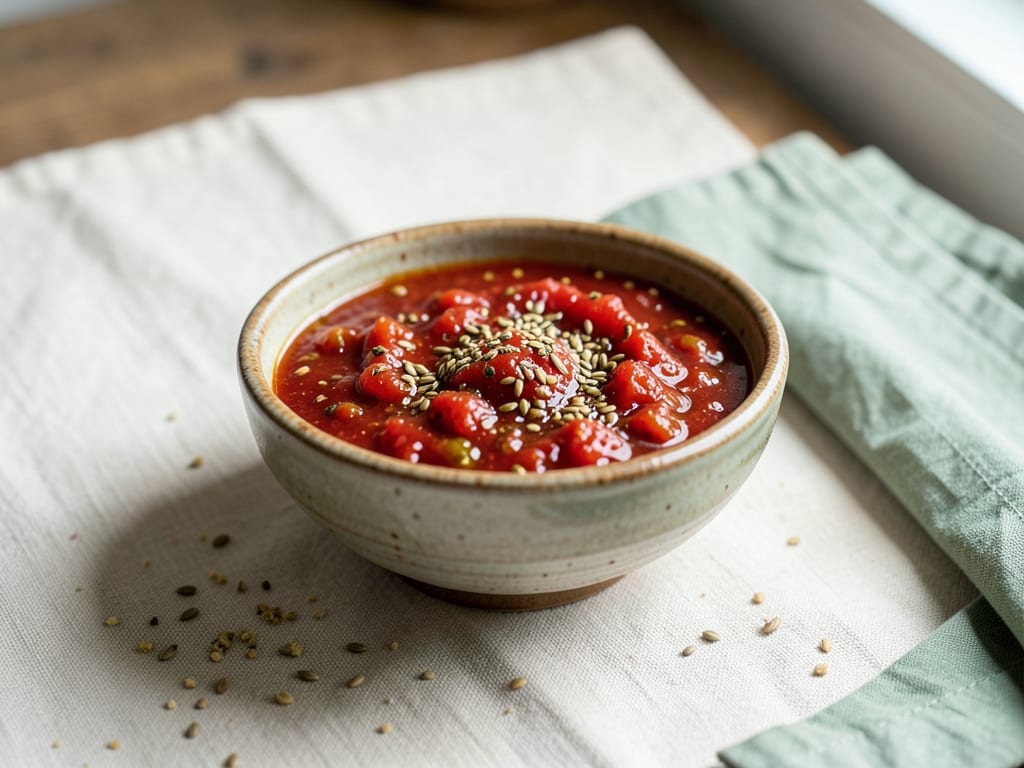
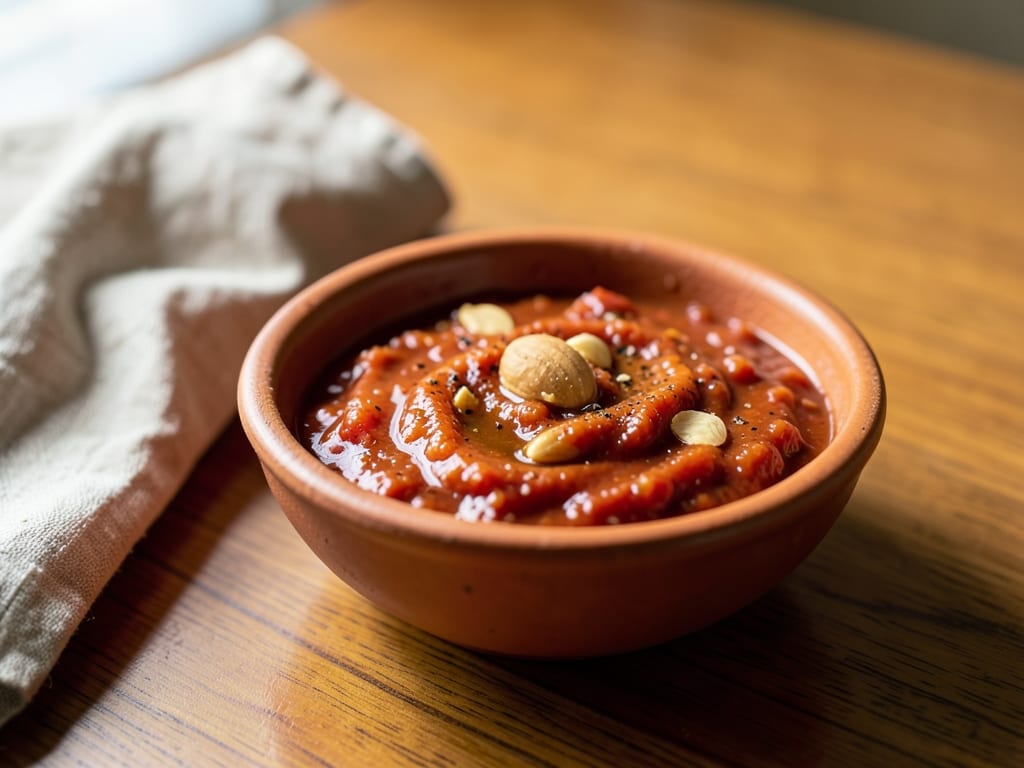
Weeknight Tomato Gravy
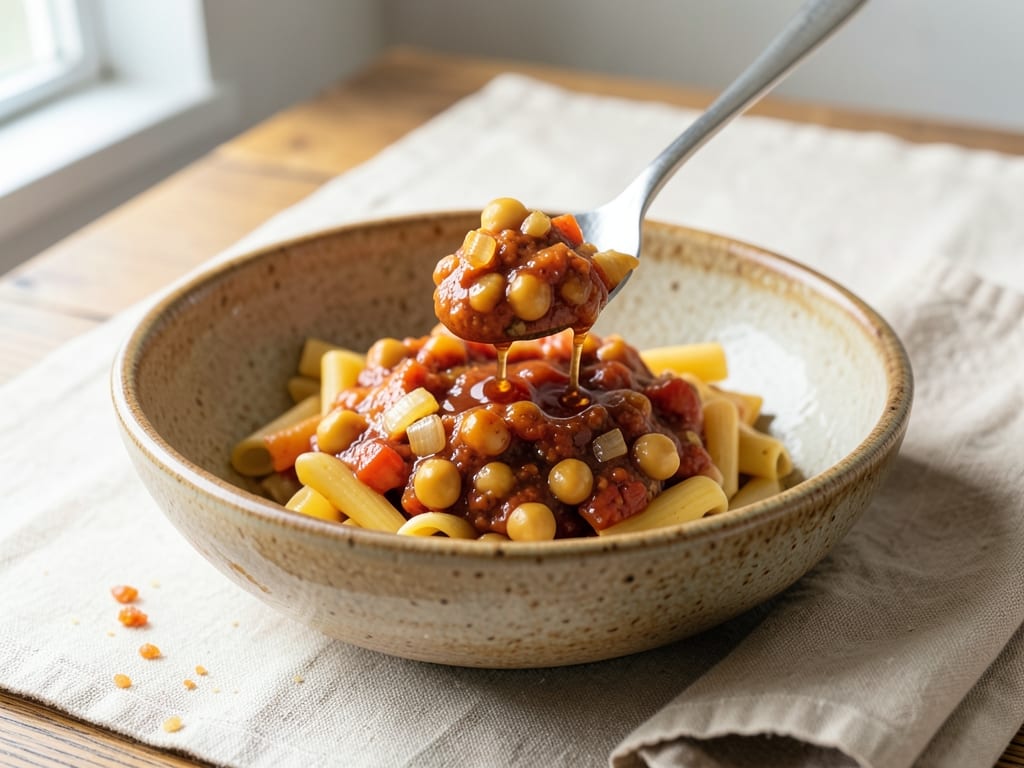
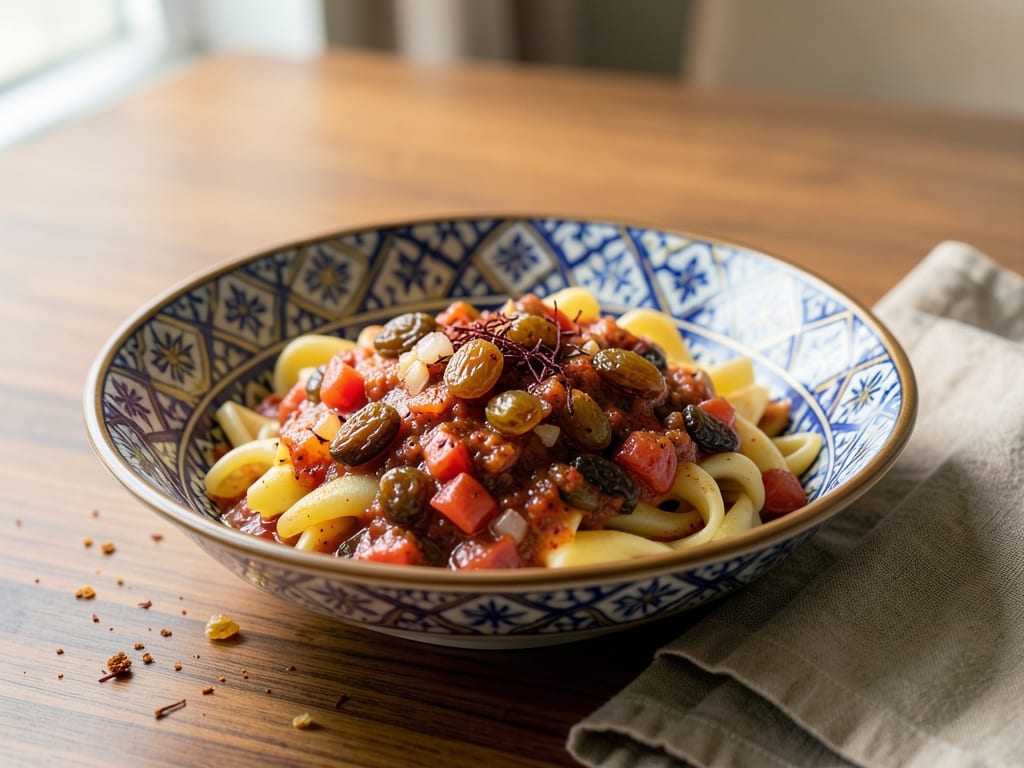
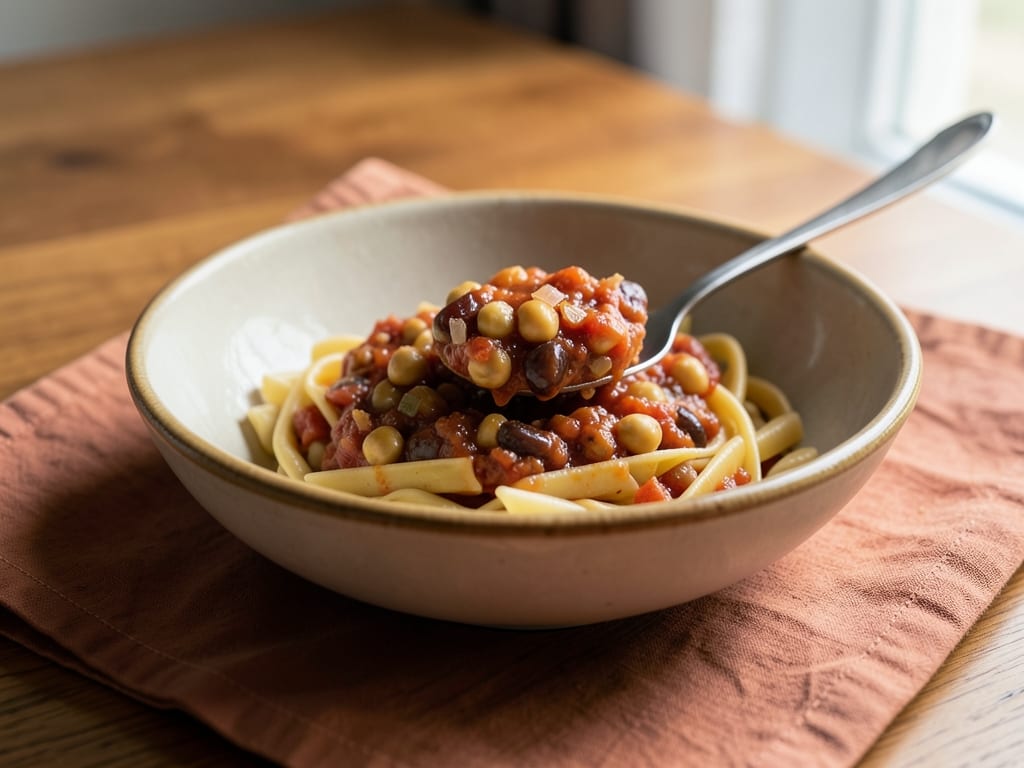
A bright, garlicky tomato sauce that simmers gently while you prepare pasta or other mains. Built on caramelized onion and garlic, canned tomatoes, and good olive oil, this weeknight staple is ready in under 30 minutes and tastes like it has simmered for hours. Finish with fresh basil if you have it, or a pinch of sugar to balance acidity.
Steps
Before you start
- Open and drain the canned tomatoes into a fine-mesh sieve, reserving the juice separately
- Mince the garlic and finely dice the onion before you start cooking
- Have a wooden spoon and medium saucepan ready
Sauté onion until soft
- Heat the olive oil in a medium 3-quart saucepan over medium heat.
- Once shimmering, add the diced onion and a small pinch of kosher salt.
- Stir often with a wooden spoon, cooking for 5 to 6 minutes until the onion is fully softened and lightly golden at the edges.
- The salt helps draw out moisture and speeds up cooking.
+ Show details− Hide details
Ready when: Onion is soft, translucent, and slightly golden at the edges
Tip: Don't skip this step; the caramelized onion sweetness is the sauce's foundation.
Add garlic and spice
- Stir in the minced garlic and red pepper flakes (if using).
- Cook, stirring constantly, for 1 minute until fragrant.
- The garlic should become light golden but not brown.
+ Show details− Hide details
Ready when: Garlic is fragrant and light golden, spices are bloomed
Tip: Keep the heat at medium to avoid burning the garlic, which would make the sauce bitter.
Add tomatoes and juice
- Add the drained tomatoes and reserved tomato juice to the pan, stirring well to break up any large pieces.
- The mixture should look a bit wet and loose at this point, with all the tomato solids distributed throughout.
+ Show details− Hide details
Ready when: Tomatoes are fully incorporated, no large chunks remain
Simmer until thickened
- Increase the heat to medium-high and bring the sauce to a gentle boil, then reduce to medium-low.
- Simmer uncovered for 10 to 12 minutes, stirring occasionally.
- The sauce will thicken slightly, the raw tomato flavor will mellow, and the sauce will smell rich and cooked.
- You're not looking for a thick paste—it should still be pourable but noticeably thicker than when you started.
+ Show details− Hide details
Ready when: Sauce is visibly thicker, coats the back of a spoon, smells mellow and sweet
Tip: If your sauce seems too thin after 12 minutes, continue simmering for another 2 to 3 minutes. If it seems too thick, stir in 2 to 3 tablespoons of water.
Season to taste
- Remove from heat.
- Taste the sauce and season with kosher salt and freshly ground black pepper.
- Start with ½ teaspoon of salt and adjust upward if needed.
- The sauce should taste bright, savory, and balanced—not acidic.
+ Show details− Hide details
Ready when: Sauce tastes bright and well-seasoned
Tip: Taste as you season. If the sauce tastes acidic, add a pinch of sugar (¼ teaspoon) rather than more salt.
Finish with basil
- If using fresh basil, tear it gently and stir into the sauce just before serving.
- The basil will wilt slightly and add a fresh, aromatic note.
+ Show details− Hide details
Ready when: Basil is wilted into the sauce
Tip: Add basil at the very end to preserve its fresh flavor; heating it for long periods diminishes its brightness.
Good to know
Tips
- This sauce freezes beautifully and is excellent for batch cooking. Make a double batch and freeze half in a quart container for up to 3 months.
- Draining the tomato juice and adding it back gradually gives you more control over the sauce's thickness. Some canned tomatoes are wetter than others; adjust the amount of reserved juice accordingly.
- Serve over pasta, polenta, rice, or as a dipping sauce for bread. A small spoonful also brightens steamed vegetables or grilled fish.
- If you prefer a smoother sauce, you can blend it with an immersion blender after simmering, or leave it chunky for a more rustic texture.
Make ahead
You can make this sauce up to 3 days ahead. Cool it to room temperature, transfer to an airtight container, and refrigerate. Reheat gently over medium-low heat on the stovetop, stirring occasionally and adding a splash of water if it has thickened too much.
Storage & reheating
Room temperature: up to 2 hours. Refrigerator: up to 3 days in an airtight container. Freezer: up to 3 months in a freezer bag or airtight container. To reheat from frozen, thaw overnight in the refrigerator, then warm gently on the stovetop over medium-low heat.
Substitutions
- canned crushed or whole tomatoes (28 oz can) → One 28 oz can of whole peeled tomatoes (San Marzano preferred). Whole tomatoes require an extra minute of crushing by hand in the pan but often have better flavor than crushed varieties.
- extra-virgin olive oil → Neutral oil such as vegetable or light canola oil. You'll lose some flavor complexity, but the sauce will still be good on a budget night.
- yellow onion → ½ medium red onion, finely diced (same weight). Red onion is sweeter and slightly less sharp; adjust salt upward by a pinch.
- fresh basil leaves → ½ teaspoon dried oregano or Italian seasoning. Add dried herbs with the garlic in step 2 so they bloom in the oil. Use half the amount called for fresh herbs.