
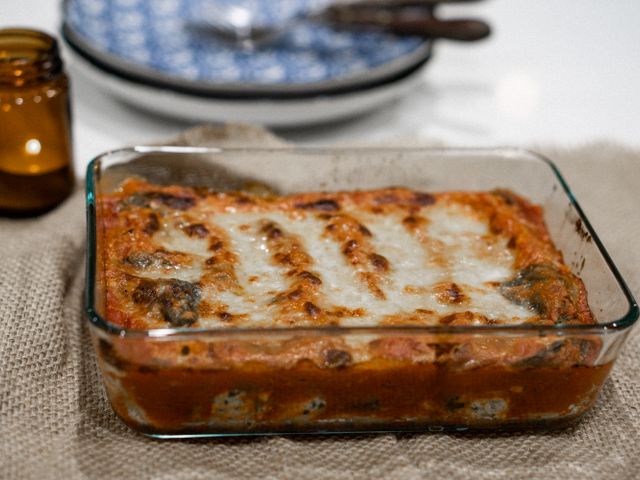
Venezuelan Arepa and Shredded Beef Lasagna
A bold fusion of Venezuelan flavors: crispy arepa flour sheets layered with slow-cooked shredded beef, creamy white cheese sauce, and finished with fresh avocado and cilantro. This baked lasagna honors traditional arepa textures while delivering the comfort of layered pasta.
- Prep
- 40 min
- Cook
- 55 min
- Wait
- 30 min
- Total
- 2 hr 5 min
- Makes
- 6 servings (one 9×13-inch lasagna)
Steps
Before you start
- Have the shredded beef ready (see instructions for braising it) or use pre-cooked shredded beef from a rotisserie chicken or slow cooker
- Preheat oven to 375°F (190°C) about 15 minutes before you assemble the lasagna
- Bring all dairy ingredients to room temperature so the cheese sauce blends smoothly
- Read through the arepa sheet instructions carefully—they are crispy, not soft like pasta noodles
Braise the beef
- In a large heavy pot or Dutch oven, heat over medium-high heat.
- Add the beef chuck chunks and brown on all sides, about 8–10 minutes, working in batches if needed.
- Add the quartered onion, crushed garlic, cumin, bay leaves, salt, and pepper.
- Stir well.
- Pour in the beef broth until the beef is nearly covered.
- Bring to a boil, then reduce heat to low, cover, and simmer gently for 2 to 2.5 hours, until the beef is very tender and shreds easily with a fork.
- Remove from heat, cool slightly, then shred the beef using two forks, discarding any large fat chunks.
- Strain the braising liquid through a fine sieve and reserve 1 cup for the cheese sauce if needed.
+ Show details− Hide details
Ready when: Beef is very tender and shreds with a fork; liquid is rich and flavorful
Tip: Do this step a day ahead if possible—the shredded beef is easier to layer when chilled and the flavor deepens overnight.
Make arepa dough
- In a shallow dish or small bowl, combine the arepa flour, warm water, and salt.
- Mix with a fork or your fingers until a soft, slightly sticky dough forms, about 1–2 minutes.
- The dough should hold together but not be wet.
- Let rest for 5 minutes to allow the flour to fully hydrate.
+ Show details− Hide details
Ready when: Dough is soft, slightly sticky, and holds together
Tip: Do not overmix—arepa dough should be moist but not wet, or the sheets will not cook evenly.
Make arepa sheets
- Heat a small non-stick skillet or griddle over medium heat and lightly brush with vegetable oil.
- Using damp hands to prevent sticking, flatten a small handful of arepa dough (about 2 oz or 55 g) between your palms into a thin disc roughly 4 inches (10 cm) across and about 1/8 inch (3 mm) thick.
- Carefully slide it onto the hot skillet.
- Cook for 2–3 minutes on the first side until light golden and crispy, then flip and cook another 2–3 minutes on the second side.
- The sheet should be crispy and slightly firm.
- Transfer to a paper towel to cool.
- Repeat until all dough is used, you should have about 8–10 thin arepa sheets.
- Stack them as they cool.
+ Show details− Hide details
Ready when: Sheets are golden, crispy, and hold their shape; they should not be chewy
Tip: Keep the heat at medium—too hot and they brown too fast; too cool and they stay rubbery. Press gently when flipping so they don't break.
Make the cheese sauce
- In a medium saucepan, melt the unsalted butter over medium heat.
- Whisk in the all-purpose flour to form a smooth paste (a roux), stirring constantly for about 1 minute to remove the raw flour taste.
- Slowly add the whole milk while whisking continuously to prevent lumps.
- Keep whisking and cooking for 5–7 minutes until the sauce thickens and coats the back of a spoon.
- Remove from heat and stir in the crumbled white cheese until fully melted and smooth.
- Season with nutmeg, a pinch of salt, and white pepper to taste.
- The sauce should be creamy and pourable, not too thick.
+ Show details− Hide details
Ready when: Sauce is smooth, creamy, and coats the back of a spoon; cheese is fully melted
Tip: If the sauce breaks or becomes grainy, strain it through a fine sieve and whisk in a little more warm milk until smooth.
Assemble the lasagnaOven 375°F / 190°C
- Preheat the oven to 375°F (190°C).
- Spread a thin layer of cheese sauce (about 1/4 cup or 60 ml) over the bottom of a 9×13-inch (23×33 cm) baking dish.
- Layer 2–3 arepa sheets on top (they will overlap slightly).
- Top with a layer of shredded beef (about 1 cup or 240 g), then drizzle with more cheese sauce (about 1/2 cup or 120 ml).
- Repeat layers: arepa sheets, beef, cheese sauce.
- Continue until all ingredients are used, ending with a final layer of cheese sauce on top.
- You should have about 3–4 layers total.
- Make sure the top layer is sauce so the lasagna bakes evenly and stays moist.
+ Show details− Hide details
Ready when: Layers are even and sauce is evenly distributed
Tip: If the arepa sheets are very brittle, they may break when layering—warm them slightly over a damp towel before use, or break them into pieces and fill gaps with smaller shreds of beef.
Bake the lasagnaOven 375°F / 190°C
- Cover the baking dish loosely with aluminum foil (spray the underside with cooking spray so it does not stick to the sauce).
- Bake at 375°F (190°C) for 25 minutes covered.
- Remove the foil and bake an additional 20–25 minutes uncovered until the top is lightly golden and the edges are bubbling gently.
- The internal temperature at the center should reach 165°F (74°C).
+ Show details− Hide details
Ready when: Top is lightly golden, edges bubble gently, and internal temperature is 165°F (74°C)
Tip: Use an instant-read thermometer inserted into the center of the lasagna to check doneness accurately.
Rest and finish
- Remove the lasagna from the oven and let it rest for 10 minutes at room temperature.
- This allows the layers to set slightly so the portions hold together when cut.
- Just before serving, top with fresh cilantro, sliced avocado, and a squeeze of lime juice.
- Serve warm.
+ Show details− Hide details
Ready when: Lasagna is still warm and layers have firmed slightly
Tip: Add the avocado and cilantro just before serving so the avocado stays fresh and the cilantro flavor is bright.
Good to know
Tips
- This recipe is best served fresh from the oven when the arepa sheets still have some crispness and the cheese sauce is creamy. As it sits, the sheets soften slightly from the moisture of the layers below, but the dish remains delicious.
- If you do not have time to braise beef from scratch, use 2 lbs (900 g) of pre-shredded rotisserie beef or slow-cooker shredded beef, warmed gently with a splash of beef broth and seasoning to taste.
- For a spicier version, add 1/4 to 1/2 tsp of cayenne pepper or diced hot pepper (jalapeño or serrano) to the cheese sauce or beef layer.
- The arepa sheets are the key to this dish's texture—they should be thin and crispy, not thick and doughy. Practice making one or two first to get the thickness and cooking time right.
Make ahead
Shredded beef can be braised 1–2 days ahead and refrigerated in an airtight container. Arepa sheets can be made up to 4 hours ahead and stacked between parchment paper. The assembled (unbaked) lasagna can be covered and refrigerated for up to 4 hours before baking; add 5–10 minutes to the baking time if baking from cold.
Storage & reheating
Leftovers keep in a covered airtight container in the refrigerator for 3 days. Reheat individual portions in a 350°F (175°C) oven for 12–15 minutes until warmed through, or cover loosely with foil and warm the whole dish at 325°F (160°C) for 20–25 minutes. Freezer: wrap individual portions in plastic wrap and foil and freeze for up to 2 months. Thaw overnight in the refrigerator before reheating.
Substitutions
- fresh white cheese (queso fresco) → ricotta cheese or fresh mozzarella. Fresh ricotta will give a slightly creamier texture; shred mozzarella finely. Both work well in the cheese sauce.
- arepa flour (masarepa) → masa harina (corn masa flour). Use the same weight. Masa harina is slightly finer and may need 1–2 tbsp less water. The sheets will have a more pronounced corn flavor.
- beef chuck roast → pork shoulder or chicken thighs. Pork shoulder braises similarly (2–2.5 hours); chicken thighs will be tender in 1.5–2 hours. Both absorb flavor well. Reduce cooking time for chicken to avoid drying it out.
- fresh cilantro → flat-leaf parsley or green onions. Parsley is milder; green onions add an onion note. Both work as a fresh garnish, though cilantro is traditional in Venezuelan cuisine.
More lasagna
See all →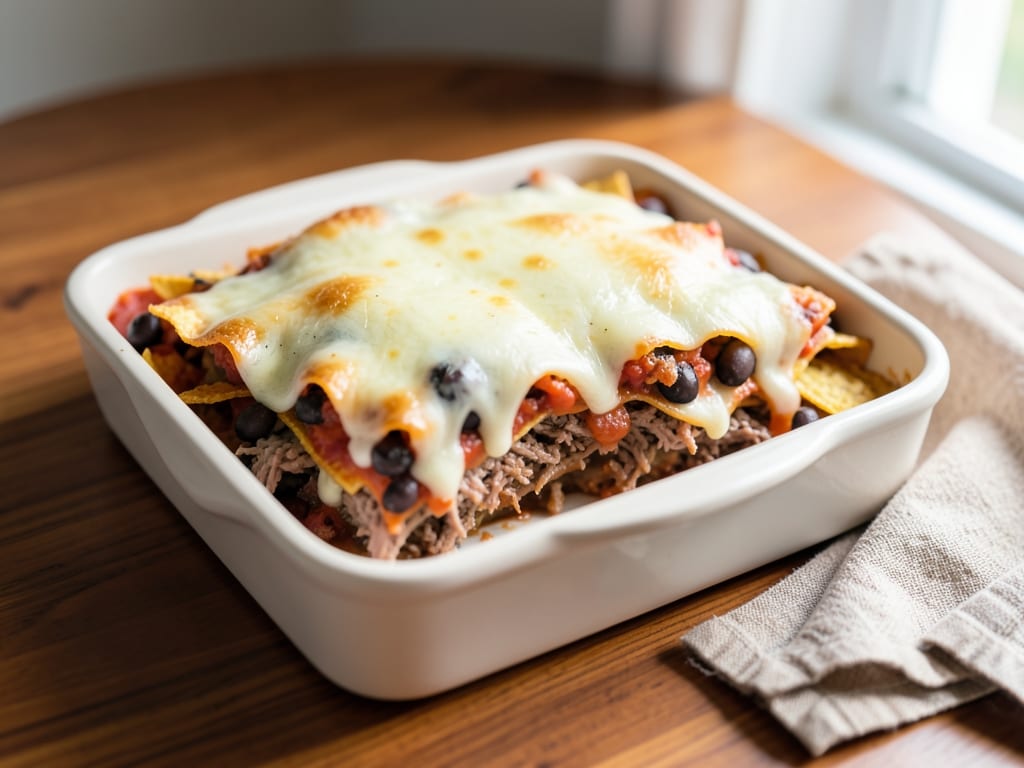

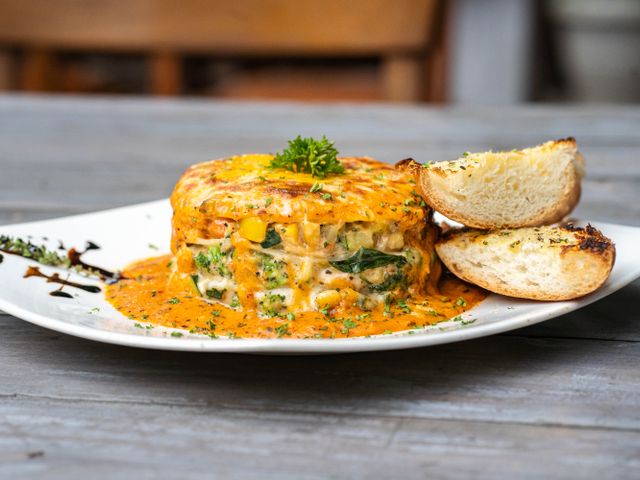
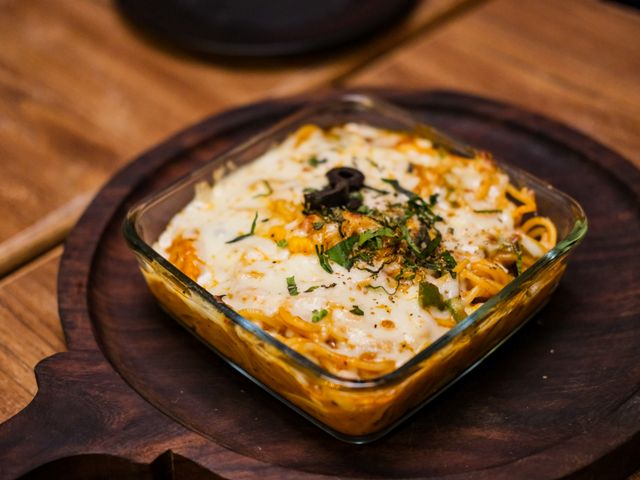
Find more like this
- Meal
- Dinner
- Main ingredient
- Stew Beef
- Diet
- HalalSugar-Free
- Method
- Oven