Stovetop Ramadan Fava Beans with Harissa and Tomato
A warming North African side dish of tender fava beans simmered with harissa, fresh tomatoes, and garlic until fragrant and deeply flavored. The harissa paste brings heat and complexity, balanced by bright cilantro and lemon. Perfect as part of a Ramadan iftar spread or as a hearty vegetable side for any meal.
- Prep
- 15 min
- Cook
- 35 min
- Wait
- 10 min
- Total
- 1 hr
- Makes
- 6 servings (about 1 cup each)
Steps
Before you start
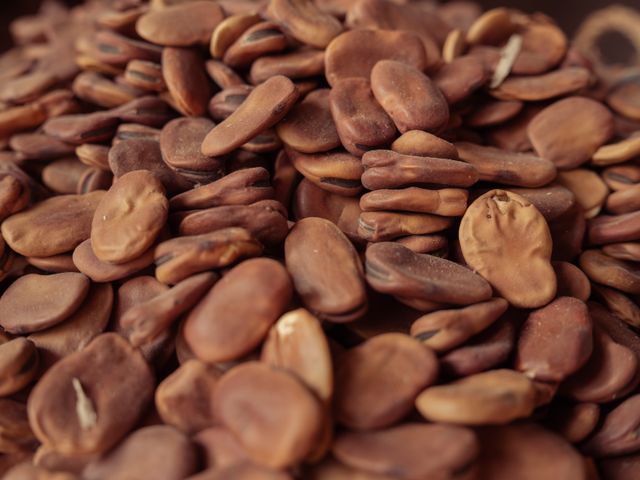
- If using dried fava beans, soak them overnight and drain before cooking
- Have all ingredients prepped and measured before you start cooking
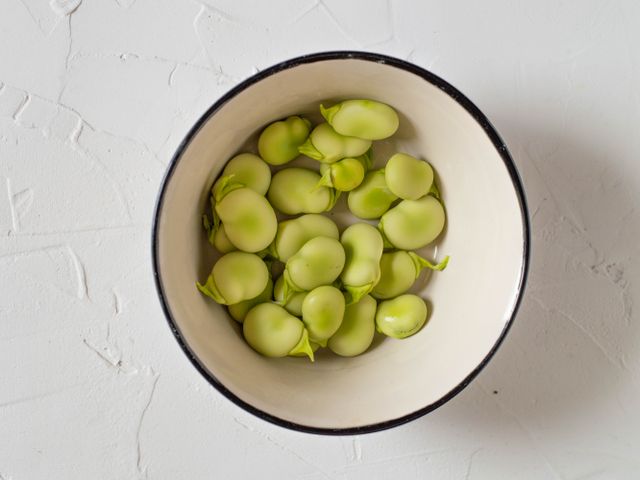
- Fresh fava beans are best in spring; frozen shelled beans work year-round
Warm olive oil and infuse with garlic
- Heat the olive oil in a large heavy-bottomed pot or Dutch oven over medium-low heat.
- Add the minced garlic and cook, stirring gently, for 1 to 2 minutes until fragrant but not browned.
- The oil should shimmer and smell sweet.
+ Show details− Hide details
Ready when: Garlic is fragrant and light golden, not brown
Tip: Don't let the garlic brown or it will taste bitter; keep the heat gentle
Stir in harissa paste
- Add the harissa paste to the pot and stir constantly for 30 seconds to 1 minute, breaking it up and coating it with the warm oil.
- The spice will bloom and smell warm and peppery.
+ Show details− Hide details
Ready when: Harissa is evenly distributed and slightly darkened
Tip: Blooming the harissa in oil releases its essential oils and deepens its flavor
Add tomatoes and spices
- Add the diced tomatoes, cumin (if using), and paprika (if using) to the pot.
- Stir well to combine with the harissa oil.
- Cook over medium heat for 2 to 3 minutes, stirring occasionally, until the tomatoes begin to release their juices and soften slightly.
+ Show details− Hide details
Ready when: Tomatoes are slightly soft and have released some liquid
Tip: Removing excess seeds and juice from the tomatoes prevents the dish from being watery
Add fava beans and broth
- Pour in the vegetable or chicken broth and add the fava beans.
- Stir to combine everything well.
- Raise the heat to medium-high and bring the mixture to a gentle simmer.
+ Show details− Hide details
Ready when: Mixture is at a steady gentle simmer with small bubbles breaking the surface
Simmer until beans are tender
- Reduce the heat to medium-low and simmer uncovered for 25 to 30 minutes, stirring occasionally.
- The fava beans should become very tender and the broth should reduce slightly, concentrating the flavors.
- If the beans are still firm after 25 minutes, cook for another 5 minutes.
+ Show details− Hide details
Ready when: Fava beans are soft and creamy when bitten; broth has reduced to a light sauce consistency
Tip: Stir every 8 to 10 minutes to prevent sticking and ensure even cooking
Season and finish
- Remove the pot from the heat.
- Squeeze in the fresh lemon juice and stir gently.
- Taste the dish and adjust the seasoning with kosher salt and freshly ground black pepper.
- Remember that harissa already adds heat, so taste before adding more salt.
+ Show details− Hide details
Ready when: Flavors are balanced—harissa heat, tomato sweetness, and lemon brightness
Tip: Add salt gradually; harissa can vary in saltiness depending on the brand
Rest and garnish
- Let the dish rest for 10 minutes off the heat.
- This allows the flavors to meld and the temperature to become more comfortable for breaking fast.
- Stir in most of the fresh cilantro, reserving a small handful for garnish.
- Transfer to a serving bowl or divide into individual serving dishes and top with the remaining cilantro.
+ Show details− Hide details
Ready when: Dish has cooled slightly and is warm but not piping hot
Tip: Adding cilantro in two stages—stirred in and as garnish—gives fresh flavor and visual appeal
Good to know
Tips
- Harissa paste varies in heat level by brand—start with 1½ tablespoons if you prefer milder food, and work up to 2 tablespoons for deeper spice
- This dish is traditionally served at room temperature or warm as part of an iftar spread; it's not meant to be piping hot
- Fava beans can develop a slightly earthy, sulfurous smell during cooking—this is normal and fades once the cilantro and lemon are added
- For a creamier dish, mash a few of the cooked fava beans against the side of the pot and stir them back into the sauce
Make ahead
Prepare and cook the fava beans up to 2 days ahead. Store in an airtight container in the refrigerator. Reheat gently on the stovetop over medium-low heat, stirring occasionally and adding a splash of broth or water if needed to restore sauciness. The flavors actually deepen overnight, making this a great make-ahead dish for Ramadan iftar planning.
Storage & reheating
Room temperature: 2 hours maximum. Refrigerator: up to 3 days in an airtight container. Freezer: up to 2 months in a freezer-safe container. To reheat from frozen, thaw overnight in the refrigerator, then warm gently on the stovetop over medium-low heat for 5 to 7 minutes, stirring occasionally. Add a splash of broth if the sauce has thickened.
Substitutions
- fresh fava beans, shelled, or frozen shelled fava beans → chickpeas (canned and drained) or white beans. Use the same volume as fresh fava beans. These are sturdier and won't break down as quickly; reduce the simmering time to 15 to 20 minutes
- harissa paste → 1½ tablespoons tomato paste plus ½ teaspoon cayenne pepper plus ½ teaspoon smoked paprika. Mix with the oil and garlic. You'll lose some complexity but retain heat and depth
- ripe Roma tomatoes → 1 can (14.5 oz / 400 g) diced tomatoes, drained of excess juice. Use the same volume of drained tomatoes. Canned tomatoes work well year-round and are consistent
- fresh cilantro → fresh mint or a mix of mint and parsley. These offer a fresher, slightly different flavor profile while maintaining the bright finish