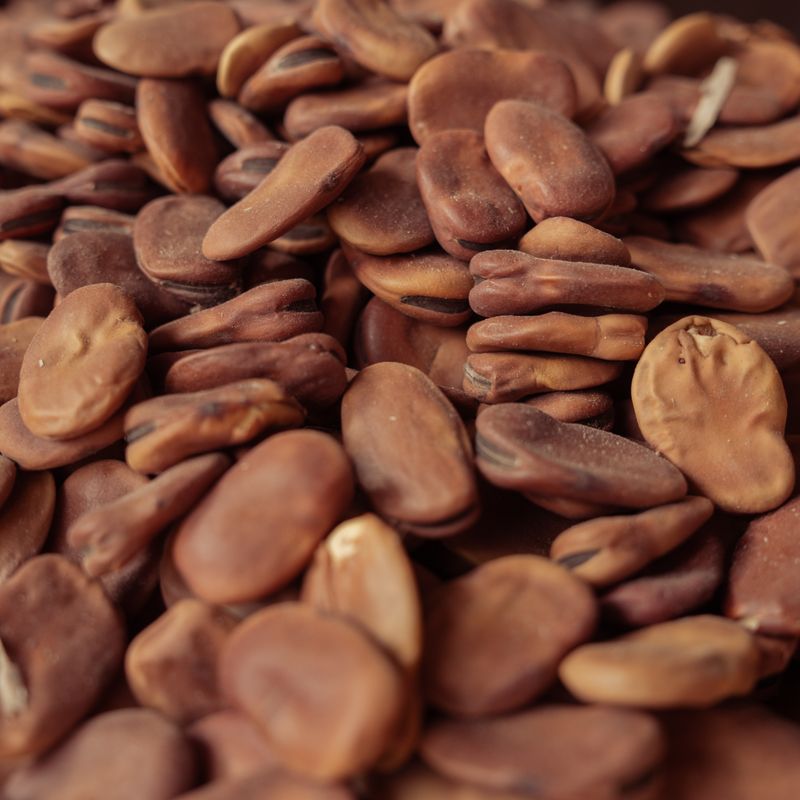
Puglian Fava Bean Purée with Olive Oil
A silky, luxurious purée of creamy fava beans finished with excellent olive oil. This rustic Puglian dish (fave, or purè di fave) is traditionally served warm as a side dish or spread. The beans are simmered until completely tender, then mashed to a soft, slightly rough consistency that showcases the clean flavors of good olive oil and garlic. Prepare your beans the night before for a weeknight dinner that tastes like you cooked all day.
Steps
Before you start
- Sort and rinse 1.5 cups dried fava beans, then soak overnight in cold water (8–12 hours). If short on time, do a quick soak: cover with boiling water, let sit 1 hour, then drain.
- Have good-quality extra-virgin olive oil on hand—this dish relies entirely on its flavor.
- Measure out vegetable broth and mince garlic before you begin cooking.
Drain soaked beans
- Place the soaked fava beans in a strainer and rinse under cold water, shaking the colander to remove excess moisture.
- Set aside.
Sauté onion and garlic
- Pour 3 tablespoons of olive oil into a large pot and heat over medium heat.
- Add the diced onion and cook for 3–4 minutes, stirring occasionally, until softened and translucent at the edges.
- Add the minced garlic and stir constantly for 30 seconds until fragrant.
- Do not allow the garlic to brown.
+ Show details− Hide details
Ready when: Onion is translucent, garlic is fragrant but not browned
Tip: Watch the garlic carefully—it burns quickly and will taste bitter if it colors.
Add beans and broth, bring to simmer
- Add the drained fava beans and vegetable broth to the pot.
- Stir well to combine and bring to a boil over medium-high heat, about 3–4 minutes.
+ Show details− Hide details
Ready when: Liquid is at a rolling boil
Simmer beans until very tender
- Once boiling, reduce the heat to medium-low and simmer uncovered for 35–40 minutes.
- Stir occasionally (every 10 minutes or so) to prevent the beans from sticking to the bottom of the pot.
- The beans are done when they fall apart easily when pressed against the side of the pot with a wooden spoon, and the broth is mostly absorbed or reduced by at least half.
+ Show details− Hide details
Ready when: Beans break apart easily when pressed; broth is mostly absorbed or reduced
Tip: Stir periodically to prevent sticking, but let the beans simmer mostly unattended. The consistency should be thick and creamy by the end.
Mash beans into purée
- Remove the pot from heat.
- Using a potato masher, vigorously mash the beans and remaining broth together directly in the pot until you reach your desired consistency.
- Some cooks prefer a chunky, rustic texture with visible bean pieces; others prefer a nearly smooth purée.
- For a silkier result, use an immersion blender for 1–2 minutes, working in short bursts until you reach the texture you like.
+ Show details− Hide details
Ready when: Beans are broken down into a creamy mixture of your preferred texture
Tip: The texture is entirely personal—some regions prefer it rustic and chunky, others smooth and silky. There is no single 'right' way.
Finish with olive oil and season
- Stir in the remaining 1 tablespoon of additional extra-virgin olive oil.
- Taste the purée and season carefully with fine sea salt and freshly ground black pepper to your preference.
- The dish should taste clean and rich from the olive oil, with the subtle sweetness and earthiness of the beans shining through.
+ Show details− Hide details
Ready when: Olive oil is incorporated; flavors are balanced
Tip: Don't be timid with the finishing olive oil—it's essential to the character of the dish. The purée should glisten slightly.
Good to know
Tips
- Overnight soaking is traditional and produces the creamiest beans with the most tender texture. If short on time, a quick 1-hour soak in boiling water will work, though the result may be slightly less silky. Avoid pressure cooking, which can turn the beans to mush and muddy their flavor.
- Quality olive oil is essential—this is not a dish to make with cooking oil. Use your best extra-virgin Italian or Greek oil. The finishing drizzle is the star, so save it for that moment. A slightly peppery or herbaceous oil works beautifully here.
- The traditional pairing in Puglia is with sautéed cicoria (wild bitter greens) or roasted vegetables. Serve warm with crusty bread, grilled bitter greens, or alongside roasted root vegetables. It also works well as a spread on toasted bread.
- For a thinner, more soup-like consistency, simply add more warm broth or water at the end and stir well. The purée will keep the same time whether thick or thin.
Make ahead
Yes. The purée keeps in an airtight container in the refrigerator for up to 3 days. You can prepare through step 4 (after simmering) and refrigerate overnight, then mash and finish the next day. Dried fava beans can be soaked up to 24 hours ahead; fresh ones are best cooked the same day they are shelled.
Storage & reheating
Room temperature: up to 2 hours (best served warm). Refrigerator: up to 3 days in an airtight container. Freezer: up to 2 months in an airtight container or freezer bag. To reheat: warm gently in a pot over medium-low heat, stirring often and adding a splash of water or broth if the purée is too thick. Finish with a drizzle of fresh olive oil before serving.
Substitutions
- dried fava beans → Fresh fava beans (about 2 pounds in the pod, shelled to yield approximately 1.5 cups). Fresh beans cook much faster—only 15–20 minutes of simmering. You may peel the thin skin from each bean after cooking if desired, though it's traditional to leave it on. The flavor will be slightly sweeter and more delicate than dried.
- vegetable broth, unsalted → Water or unsalted chicken broth. Water will produce a milder, cleaner flavor but less body. Use the full 4.5 cups to ensure the beans cook through. Chicken broth adds subtle richness and was sometimes used in rural Puglian cooking.
- extra-virgin olive oil, best quality → Rendered lard or unsalted butter (4 tablespoons total: 3 for cooking, 1 for finishing). Lard was historically used in Puglia before olive oil became affordable. Butter produces a richer, but decidedly different, flavor. Rendered chicken fat also works well.
- garlic cloves → 1 teaspoon dried oregano or 2 tablespoons fresh minced chives stirred in at the end. For a different flavor profile or if you do not have fresh garlic. Oregano gives an herbaceous note; chives add mild onion flavor without the long cooking time.
More bean sides
See all →


Find more like this
- Meal
- Dinner
- Cuisine
- Italian
- Main ingredient
- Fava Beans
- Method
- Stovetop
- Quick & Easy
- EasyBeginnerMake Ahead