Spanish Squid Ink Black Rice
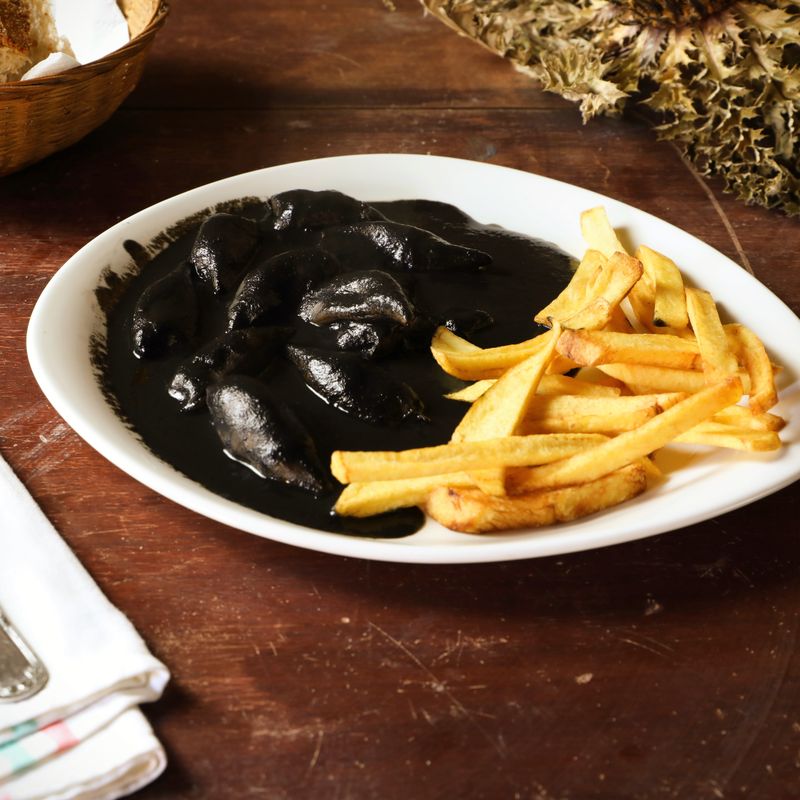
An elegant Spanish-style black rice infused with squid ink, garlic, and paprika. The rice grains absorb the briny, umami-rich squid ink and seafood broth, creating a visually striking dish with subtle oceanic depth. Finished with a whisper of saffron threads and fresh parsley, this is a showstopping side that pairs beautifully with grilled fish, shrimp, or simply roasted vegetables.
- Prep
- 10 min
- Cook
- 25 min
- Wait
- 10 min
- Total
- 45 min
- Makes
- 4 side servings (about 1 cup per person)
Steps
Before you start
- Measure seafood broth and warm it gently (room-temperature broth will cool the rice and extend cooking time)
- Have all ingredients prepped and within arm's reach—this recipe moves quickly once the rice hits the pot
- Use squid ink in packets or from a trusted fishmonger; some specialty Asian markets sell it frozen
Sauté aromatics
- Heat the olive oil in a heavy-bottomed 3-quart (2.8 L) saucepan over medium heat.
- Add the minced garlic and cook for 1–2 minutes, stirring constantly, until fragrant and just beginning to turn golden at the edges.
- Do not let it brown or it will become bitter.
+ Show details− Hide details
Ready when: garlic is fragrant and pale golden
Tip: Watch the garlic closely; it goes from fragrant to burnt in seconds at this stage.
Toast rice and paprika
- Add the rinsed black rice to the pan and stir constantly for 2 minutes.
- The rice will make a slight clicking sound as it toasts.
- Sprinkle in the smoked paprika and stir for 30 seconds more until the rice is evenly coated and fragrant.
+ Show details− Hide details
Ready when: rice is light brown and fragrant
Tip: Toasting the rice develops nutty depth and helps each grain stay separate during cooking.
Dissolve squid ink
- Pour 1/2 cup (120 ml) of the warm seafood broth into a small bowl.
- Add the squid ink and whisk vigorously until completely dissolved and no streaks or clumps remain.
- This prevents lumps of ink in the finished rice.
+ Show details− Hide details
Ready when: liquid is deep black and smooth
Tip: Dissolving the ink separately ensures an even color and flavor throughout the rice.
Deglaze and add broth
- Pour the squid ink mixture into the pan with the toasted rice, scraping the bottom with a wooden spoon to loosen any stuck bits.
- Add the remaining 2.5 cups (600 ml) of warm broth and bring the mixture to a gentle boil over medium-high heat.
+ Show details− Hide details
Ready when: liquid reaches a gentle boil with small, consistent bubbles
Tip: Keep the heat at medium-high to establish the cooking process evenly; don't let it simmer weakly from the start.
Add saffron and cover
- If using saffron, stir the steeped saffron and its soaking water into the rice.
- Season with salt and black pepper to taste.
- Reduce heat to low, place the lid on the pan, and cook undisturbed for 18–20 minutes.
+ Show details− Hide details
Ready when: liquid is absorbed and rice is tender with a slight bite
Tip: Resist the urge to lift the lid; steam loss extends cooking time. The rice is done when you see a few steam holes and the grains are glossy and tender.
Rest and fluff
- Remove from heat and let the rice rest, covered, for 8–10 minutes.
- This allows the grains to finish setting and any residual moisture to be absorbed.
- Using a fork, gently fluff the rice, breaking up any clumps.
+ Show details− Hide details
Ready when: rice grains are separate and glossy, no visible liquid
Tip: Resting makes the texture lighter; skipping this step can result in mushy rice.
Finish and serve
- Transfer the black rice to a serving bowl or platter.
- Top with the fresh chopped parsley and serve immediately with lemon wedges on the side.
- Drizzle with a little extra olive oil if desired for richness.
+ Show details− Hide details
Tip: The bright parsley and lemon juice cut through the richness of the squid ink and bring the dish into balance.
Good to know
Tips
- If squid ink is hard to find, check Spanish grocery stores, Asian seafood markets, or order it online from specialty food retailers. Fresh squid ink packets are ideal but frozen packets work just as well—thaw at room temperature before using.
- Black rice (forbidden rice) cooks slightly longer than white rice but absorbs less liquid due to its firmer bran layer. The 18–20 minute cook time is precise for this variety; adjust if using a different black rice.
- The rice darkens as it rests; this is normal and desirable. The squid ink continues to distribute and deepen the color off the heat.
- Serve this rice alongside grilled seafood, pan-seared scallops, roasted squid, or even roasted vegetables for a striking presentation. The dark color and briny flavor pair beautifully with lemony, garlic-forward dishes.
Make ahead
The rice can be cooked up to 3 hours ahead and held at room temperature. Reheat gently in a covered saucepan over low heat with a splash of seafood broth or water, stirring occasionally, for about 5 minutes until warmed through. Do not refrigerate or the rice may harden and taste stale; the squid ink flavor is brightest when served warm or at room temperature shortly after cooking.
Storage & reheating
Store leftover rice in an airtight container at room temperature for up to 4 hours (best eaten fresh). For longer storage, refrigerate in an airtight container for up to 2 days; reheat on the stovetop with a little broth. Freezing is not recommended as the rice texture becomes grainy and the squid ink flavor dulls significantly.
Substitutions
- squid ink → cuttlefish ink. Identical flavor and color; use the same amount. Both are traditional in Spanish rice dishes.
- seafood or fish broth (or low-sodium chicken broth) → low-sodium vegetable or chicken broth. Will lose some briny depth, but the squid ink still provides umami. The rice may taste slightly less oceanic.
- smoked paprika (pimentón de la Vera) → sweet paprika or hot paprika (if you prefer spice). Smoked paprika adds an authentic Spanish flavor, but regular paprika works if that's what you have.
- saffron threads → 1 pinch of turmeric. Won't match saffron's complexity, but adds a subtle earthy note and slight color. Or omit entirely; the rice is stunning without it.