Spanish Saffron Artichoke Heart and Almond Rice
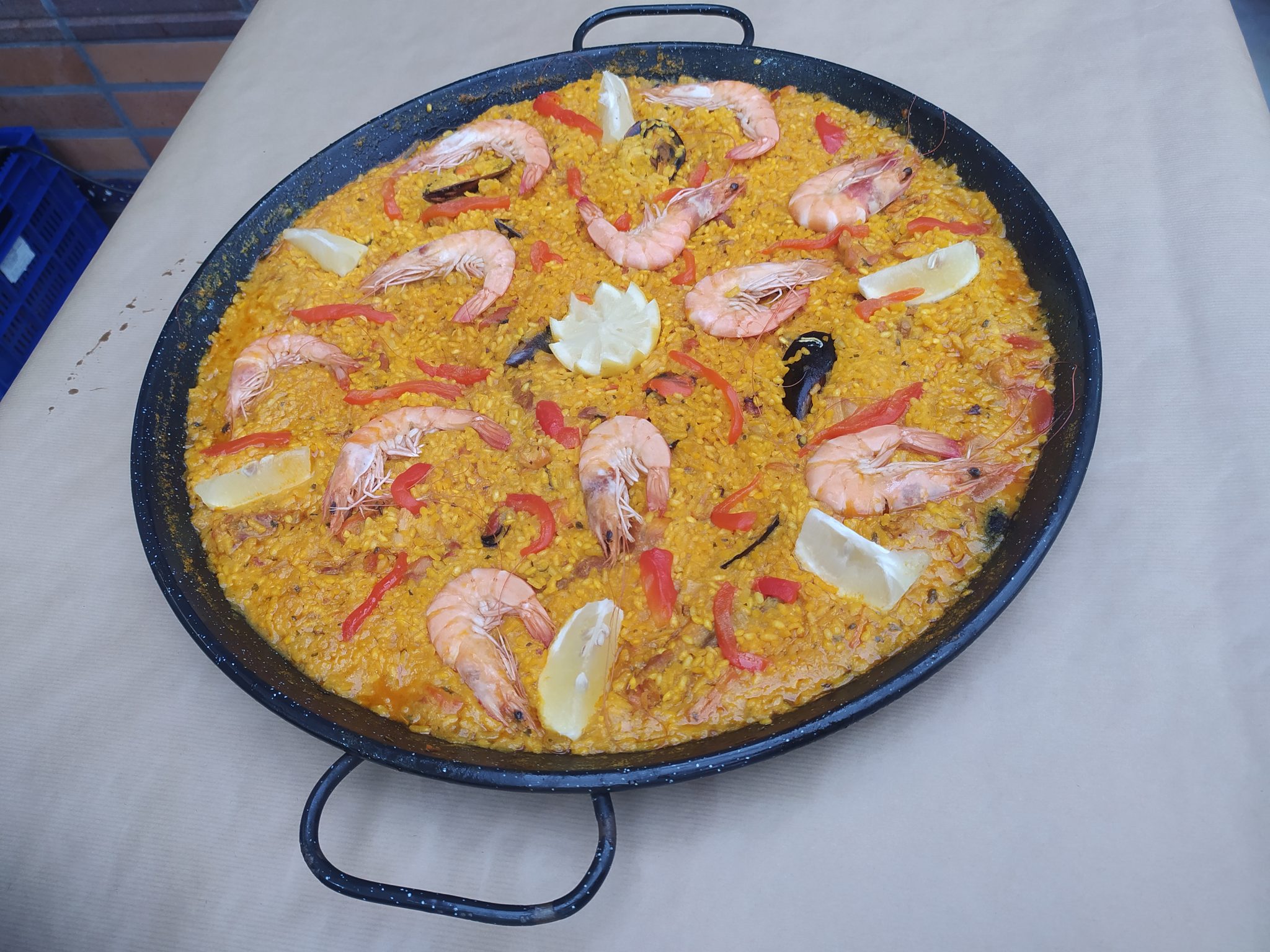
A fragrant, paella-inspired rice dish where short-grain Spanish rice absorbs saffron-infused broth, studded with tender artichoke hearts and toasted almonds. Finished with a whisper of sherry and fresh herbs, it's elegant enough for company yet simple enough for a weeknight side.
- Prep
- 10 min
- Cook
- 18 min
- Wait
- 8 min
- Total
- 36 min
- Makes
- 4 servings (about 1½ cups each)
Steps
Before you start
- Thaw frozen artichoke hearts if using them, or drain canned/jarred ones thoroughly
- Have your vegetable broth measured and ready to add
- Toast the almonds ahead if you prefer a deeper flavor
Toast the saffron
- Place the saffron threads in a small dry skillet over medium heat.
- Toast for about 30 seconds, stirring constantly, just until fragrant—do not let them burn.
- Transfer to a small bowl and add ¼ cup (60 ml) of the warm vegetable broth.
- Let steep while you prepare the other ingredients.
+ Show details− Hide details
Ready when: Saffron is fragrant and slightly darker
Tip: Toasting brings out saffron's flavor, but over-toasting makes it bitter—watch carefully
Warm the broth
- In a medium saucepan, bring the remaining 3¼ cups (780 ml) of vegetable broth to a gentle simmer over medium heat.
- Keep it at a low simmer throughout cooking—you'll add it gradually.
+ Show details− Hide details
Ready when: Small bubbles break the surface
Toast the almonds
- In a large skillet (12 inches / 30 cm), heat the olive oil over medium heat.
- Add the sliced almonds and stir constantly for 2–3 minutes until lightly golden and fragrant.
- Transfer to a small plate.
+ Show details− Hide details
Ready when: Almonds are pale golden and smell toasted
Tip: Toasting almonds dry them slightly and deepen flavor—don't skip this step
Cook the aromatics
- In the same skillet with the remaining oil, add the diced onion and cook over medium heat, stirring occasionally, for 4–5 minutes until softened and just starting to turn translucent at the edges.
- Add the minced garlic and smoked paprika, stirring constantly for 30 seconds until fragrant.
+ Show details− Hide details
Ready when: Onion is softened and edges are translucent; garlic is fragrant
Tip: Don't let the garlic brown—add it near the end of onion cooking
Toast the rice
- Add the short-grain rice to the skillet and stir constantly for 2–3 minutes.
- The grains should look slightly translucent at the edges and smell toasted.
- This helps them maintain their shape and absorb broth evenly.
+ Show details− Hide details
Ready when: Rice grains appear slightly translucent at edges and smell lightly toasted
Tip: Toasting is essential for proper texture—don't skip it or cook at too high heat or rice will brown unevenly
Deglaze with sherry
- Pour the dry sherry into the rice and stir for about 1 minute, scraping the bottom of the skillet to release any browned bits.
- Most of the liquid should evaporate.
+ Show details− Hide details
Ready when: Sherry is mostly absorbed and pan is almost dry
Add saffron broth and begin cooking
- Pour the steeped saffron broth and threads into the rice, stirring well to distribute.
- Then add the remaining warm broth about ¾ cup (180 ml) at a time, stirring and allowing most of the liquid to be absorbed before adding more, over about 12–14 minutes.
+ Show details− Hide details
Ready when: Rice grains are tender and most broth is absorbed; a few grains still have a slight firmness at the center when bitten
Tip: Stir frequently to encourage even cooking and creamy texture without stirring so much that rice becomes mushy
Add artichokes and finish cooking
- When the rice is nearly tender (after about 12 minutes), fold in the prepared artichoke hearts and the reserved toasted almonds.
- Stir gently and continue cooking for 1–2 minutes until the artichokes are heated through and the rice is fully tender but still has a slight bite.
+ Show details− Hide details
Ready when: Rice is creamy and tender; artichoke hearts are warm throughout
Tip: Don't stir vigorously once artichokes are added—fold gently to keep them whole
Rest and season
- Remove the skillet from heat and let the rice rest, covered with a lid or kitchen towel, for 5 minutes.
- This allows the rice to finish absorbing any remaining liquid.
- Season generously with kosher salt and freshly ground black pepper to taste.
+ Show details− Hide details
Ready when: Rice is creamy and grains are separate
Tip: Don't skip the rest—it's essential for the rice to become fluffy and absorb all the liquid
Finish with lemon and herbs
- Fluff the rice gently with a fork, breaking up any clumps.
- Stir in the lemon zest and fresh parsley.
- Taste and adjust seasoning as needed.
+ Show details− Hide details
Tip: Add zest and parsley just before serving to preserve their bright flavor
Good to know
Tips
- Saffron is expensive and mellows with heat—toasting it gently before steeping in broth releases its full flavor and color without bitterness
- The key to good paella-style rice is toasting the rice before adding broth and adding broth gradually so each grain absorbs flavor evenly. Resist the urge to add it all at once
- Vegetable broth should be warm, not cold, when added to the rice. Cold broth will shock the rice and interrupt cooking. Keep it simmering in a separate pot
- If you prefer a slightly drier rice, use 3¼ cups (780 ml) of broth total instead of 3½ cups (840 ml)—some prefer a moister, more creamy result, so start with less and add more if needed
Make ahead
The rice can be cooked up to 1 day ahead. Store in an airtight container in the refrigerator. Reheat gently in a large skillet over medium-low heat with a splash of broth or water, stirring occasionally, for about 5–7 minutes until warmed through. Do not reheat in the microwave, as the rice can become mushy.
Storage & reheating
Room temperature: Not recommended beyond 1 hour. Refrigerator: Up to 3 days in an airtight container. Freezer: Up to 2 months in a freezer bag or airtight container. Thaw in the refrigerator overnight and reheat as described above.
Substitutions
- Spanish short-grain rice (bomba or arborio) → Bomba rice (preferred in paella) or sushi rice. These varieties hold their shape better than arborio. Avoid long-grain rice, as it absorbs broth unevenly and won't be creamy.
- artichoke hearts → Roasted or grilled artichoke hearts, or sun-dried tomatoes. Roasted artichokes add a deeper, caramelized flavor. Sun-dried tomatoes offer sweetness and a chewy texture in place of the delicate artichoke.
- sliced almonds → Pine nuts, hazelnuts, or toasted cashews. Pine nuts are traditional in Spanish cooking; hazelnuts add an earthy note. Toast any substitute the same way.
- dry sherry → Dry white wine or dry vermouth. White wine adds a lighter acidity; vermouth brings herbal notes. Use the same amount and deglaze the pan the same way.