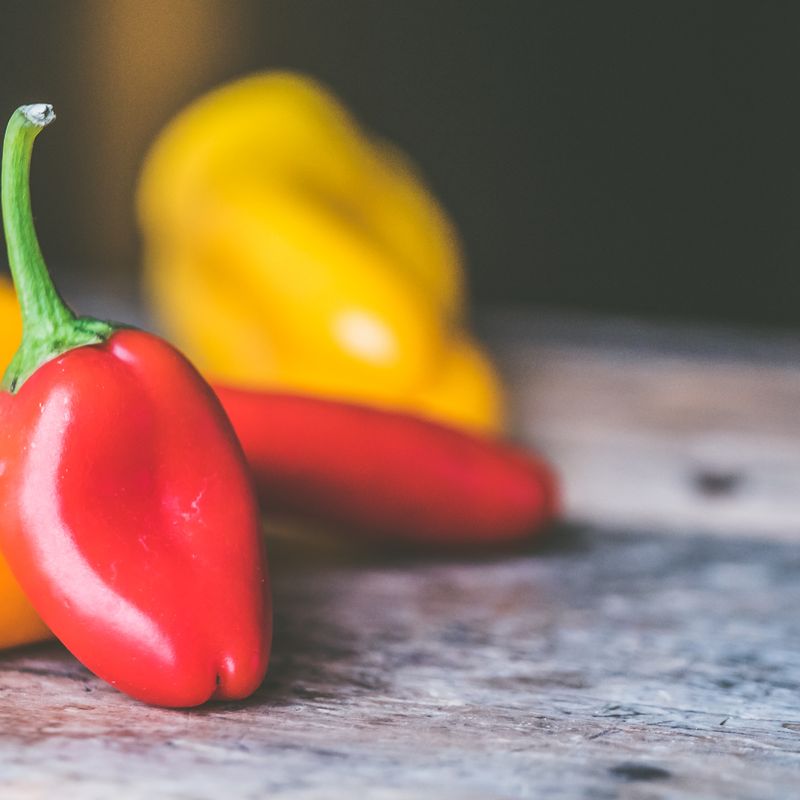
Spanish Roasted Red Pepper and Smoked Paprika Bulgur
A vibrant stovetop bulgur pilaf infused with sweet roasted red peppers, smoky paprika, and caramelized onions. This Spanish-style side dish is naturally vegetarian, cooks in under 30 minutes, and pairs beautifully with grilled meats, seafood, or roasted vegetables. The combination of deep flavors from caramelized onions and smoked paprika creates a rich, warming dish that's simple enough for weeknight dinners yet elegant enough for entertaining.
- Prep
- 15 min
- Cook
- 20 min
- Wait
- 5 min
- Total
- 40 min
- Makes
- 4 servings (about 1¼ cups per serving)
Steps
Before you start
- Measure out 1½ cups vegetable broth so it's ready to add
- If your roasted red peppers are very wet, pat them dry with paper towels to prevent excess liquid in the pilaf
- Have all ingredients prepped and within arm's reach of the stovetop
Caramelize the onion
- Heat olive oil in a large 12-inch skillet over medium heat.
- Add the thinly sliced onion and cook, stirring occasionally, for 8–10 minutes until the onion is deeply golden brown and very soft.
- The onion should look caramelized and smell sweet and fragrant.
- This slow cooking is essential for developing the rich, sweet base of the pilaf.
+ Show details− Hide details
Ready when: Onion is deeply golden brown and very soft
Tip: Don't rush this step—patience rewards you with deeper flavor. Stir often to prevent burning on the bottom.
Add garlic and paprika
- Add the minced garlic to the caramelized onion and cook, stirring constantly, for 30 seconds until fragrant.
- Add the smoked paprika and stir for another 20 seconds to bloom the spice in the hot oil.
- This release of aromatic oils amplifies the paprika's complex, smoky character.
+ Show details− Hide details
Ready when: Paprika is fragrant and well-distributed
Tip: Blooming paprika in oil prevents a raw, bitter taste and deepens its natural smokiness.
Toast the bulgur
- Add the bulgur wheat to the skillet and stir constantly for 2 minutes, coating every grain with the paprika-infused oil.
- You'll hear a gentle crackling sound and smell a toasty aroma.
- This toasting step adds nutty depth and helps the bulgur maintain its texture rather than becoming mushy.
+ Show details− Hide details
Ready when: Bulgur is lightly toasted and aromatic
Tip: Stir constantly to prevent sticking. If the bulgur starts to brown too quickly, reduce heat to medium-low.
Add broth and peppers
- Pour in the 1½ cups of vegetable broth (it will bubble and steam).
- Add the roasted red peppers, bay leaf (if using), and thyme sprigs (if using).
- Stir well to combine.
- Increase heat to medium-high and bring to a simmer.
+ Show details− Hide details
Ready when: Mixture is bubbling gently at the surface
Tip: Ensure all the bulgur is submerged so it cooks evenly.
Simmer and absorb
- Once the mixture reaches a gentle simmer, reduce heat to medium-low and cover the skillet with a lid or foil.
- Simmer for 12–15 minutes, undisturbed, until all the liquid is absorbed and the bulgur is tender but still has a slight chew (not mushy).
- You'll hear fewer bubbles and no liquid will remain when you tilt the pan.
+ Show details− Hide details
Ready when: All liquid is absorbed, bulgur is tender with a slight chew
Tip: Don't stir while simmering—this allows even hydration and prevents mushiness. If liquid remains after 12 minutes, simmer uncovered for 1–2 minutes more.
Rest and fluff
- Remove from heat and leave covered for 5 minutes.
- This resting period allows the bulgur to continue absorbing any remaining moisture and the flavors to meld.
- Remove the bay leaf and thyme sprigs.
- Fluff the bulgur gently with a fork to separate the grains.
+ Show details− Hide details
Ready when: Bulgur is fluffy and grains are separate
Tip: Fluffing with a fork rather than stirring with a spoon prevents the bulgur from becoming compacted or gluey.
Season and finish
- Taste the pilaf and adjust seasoning with kosher salt and freshly ground black pepper.
- If using, stir in the lemon zest and a squeeze of fresh lemon juice for brightness.
- Sprinkle with fresh chopped parsley before serving.
- The lemon cuts through the richness and lifts all the flavors.
+ Show details− Hide details
Ready when: Pilaf is well-seasoned and brightened by lemon
Tip: Add lemon juice sparingly at first; you can always add more but can't remove it. The acid should enhance, not dominate.
Good to know
Tips
- For a deeper, more complex dish, stir in a pinch of saffron threads (¼ teaspoon) bloomed in 2 tablespoons of warm broth and add with the liquid in step 4. This elevates the pilaf to special-occasion status.
- The smoked paprika is the soul of this dish—use authentic Spanish pimentón de la Vera if possible. Regular paprika lacks the depth and can make the dish taste flat.
- If your roasted peppers are packed in oil, you can substitute 1 tablespoon of that oil for 1 tablespoon of the olive oil for extra pepper flavor.
- This pilaf pairs beautifully with grilled Spanish chorizo, pan-seared white fish, or roasted chicken. It also complements vegetable-forward dishes like roasted eggplant or zucchini.
Make ahead
You can caramelize the onions and prepare the roasted peppers up to 2 days ahead. Store separately in the refrigerator. On the day of serving, follow the recipe from step 2 onward; add 1–2 minutes to the simmering time if ingredients are cold.
Storage & reheating
Store leftovers in an airtight container in the refrigerator for up to 4 days. Reheat gently in a covered skillet over medium-low heat with a splash of vegetable broth or water (about 2 tablespoons per cup of pilaf) to restore moisture. The pilaf can be frozen for up to 3 months; thaw overnight in the refrigerator before reheating. Do not reheat in the microwave, as this can dry it out.
Substitutions
- bulgur wheat (cracked, #2 or #3 grind) → quinoa or couscous. Use the same volume and cooking method. Couscous will cook faster (just off the heat with a lid for 5 minutes); quinoa takes the same time. Both absorb liquid similarly, so the overall method stays the same.
- smoked paprika (pimentón de la Vera) → regular sweet paprika plus ¼ teaspoon liquid smoke. This mimics smokiness if pimentón is unavailable, though the flavor will be slightly different and more muted. Stir the liquid smoke in with the broth rather than the oil.
- vegetable broth → chicken broth or water. Chicken broth adds savory depth; water works but results in a milder dish. Adjust salt accordingly, as store-bought broths vary in sodium.
- roasted red peppers (jarred or fresh) → 1 cup diced fresh tomatoes (Roma or heirloom). Fresh tomatoes add brightness but won't provide the same sweet, caramelized pepper flavor. Use well-drained canned tomatoes if fresh are not available.
More pilaf
See all →


Find more like this
- Meal
- Dinner
- Cuisine
- Spanish
- Main ingredient
- Bell Peppers
- Method
- Stovetop
- Quick & Easy
- Easy