Spanish Baked Fideos with Squid Ink and Garlic Aioli
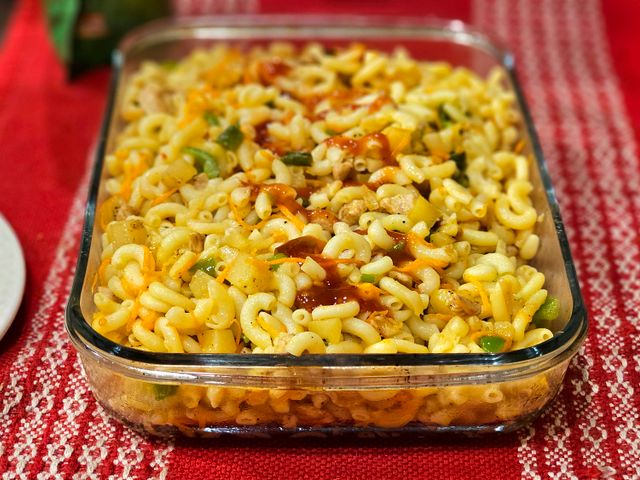
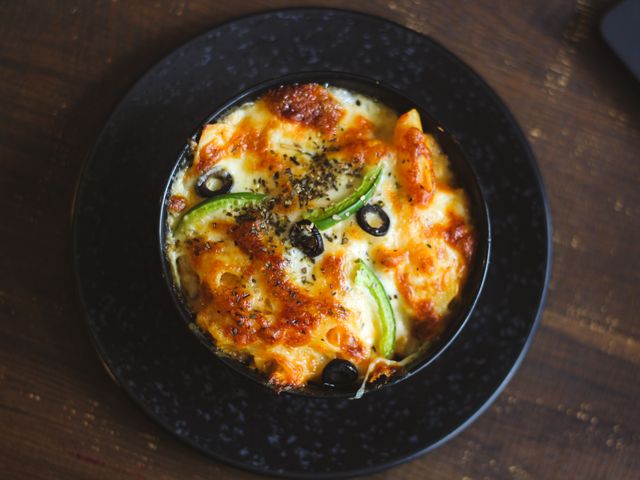
Crispy fideos noodles baked with tender squid, a dark and savory squid ink sauce, and finished with a luxurious garlic aioli. This showstopping seafood dish balances crispy, tender, and creamy textures with deep umami flavors. It's a rustic Spanish preparation that comes together elegantly on the plate.
- Prep
- 30 min
- Cook
- 35 min
- Wait
- 10 min
- Total
- 1 hr 15 min
- Makes
- 4 servings (1 individual baked dish per person)
Steps
Before you start
- Make the garlic aioli first so it has time to set in the fridge before serving
- Preheat your oven to 400°F (200°C)
- Have all ingredients prepped and within reach before you start cooking—the fideos cook quickly once they hit the heat
Make the garlic aioli
- Place the room-temperature egg yolk and minced garlic clove in a small bowl with a pinch of sea salt.
- Whisk together to combine.
- Whisking constantly, add the neutral oil a few drops at a time at first—this prevents the emulsion from breaking.
- Once the mixture begins to thicken and pale (after about 3 tablespoons of oil), you can add the oil in a thin, steady stream, whisking all the while.
- Continue until all the oil is incorporated and the aioli is thick and creamy.
- Whisk in the lemon juice to lighten and season.
- Transfer to a small serving bowl and refrigerate until ready to serve.
+ Show details− Hide details
Ready when: Aioli is pale, thick, and holds a ribbon when lifted with the whisk
Tip: If the aioli breaks (becomes grainy), start with a fresh egg yolk in a clean bowl and slowly whisk in the broken aioli—it will emulsify. Keep the egg yolk at room temperature to prevent splitting.
Toast the fideos
- Heat 2 tablespoons of olive oil in a large skillet over medium-high heat.
- Once shimmering, add the fideos in a single layer and toast, stirring frequently with a wooden spoon, for 4–5 minutes.
- The noodles should turn golden-brown and smell fragrant (toasted pasta aroma).
- Be careful not to burn them—they can go dark quickly.
- Once golden, set aside on a plate.
+ Show details− Hide details
Ready when: Fideos are golden-brown and smell nutty and fragrant
Tip: Stir constantly toward the end so they color evenly without burning. They continue to darken slightly after you remove them from heat.
Cook the squid
- In the same skillet, add the remaining 2 tablespoons of olive oil over medium-high heat.
- Once hot, add the squid rings and tentacles in a single layer.
- Sear without stirring for 2 minutes until the bottom develops a light golden color, then toss and cook for another 1–2 minutes.
- The squid should be barely opaque and still tender—do not overcook or it will become rubbery.
- Transfer to a clean plate.
+ Show details− Hide details
Ready when: Squid pieces are pale and just opaque throughout, not rubbery
Tip: Do not overcook squid—3–4 minutes total is all it needs. It toughens quickly if cooked too long.
Build the squid ink base
- Reduce heat to medium.
- Add the minced garlic to the skillet (do not let it brown) and stir for about 30 seconds until fragrant.
- Stir in the tomato paste and cook for 1 minute to caramelize slightly.
- Pour in the white wine and scrape up any browned bits from the bottom of the pan.
- Let the wine reduce by half, about 2 minutes.
- If using saffron, add it (steeped in 2 tablespoons of warm stock) now.
+ Show details− Hide details
Ready when: Wine is reduced by about half and smells concentrated
Tip: Don't let the garlic brown or it will taste bitter. If it begins to brown, add the wine immediately.
Add stock and squid ink
- Pour the fish stock into the skillet.
- If you have fresh squid ink from the sacs, gently squeeze it into a small bowl with a little stock to dilute it, then stir it in carefully.
- If using bottled squid ink, stir it in directly (start with 1 teaspoon and add more if you want deeper color).
- Stir in the smoked paprika.
- Bring the mixture to a gentle simmer and cook for 3 minutes.
- Taste and season with sea salt and freshly ground black pepper.
- Return the cooked squid to the skillet.
+ Show details− Hide details
Ready when: Sauce is dark and fragrant; squid is warmed through
Tip: If the sauce is too thin, simmer a bit longer to concentrate the flavors. It should coat a spoon lightly.
Assemble the baked fideosOven 400°F / 205°C
- Preheat your oven to 400°F (200°C).
- Add the toasted fideos to the skillet and stir gently to coat each strand with the squid ink sauce.
- Divide the fideos and squid mixture evenly among four 8-ounce ceramic baking dishes.
- Pour any remaining sauce over each dish so the fideos are moist but not soupy (about ¼ to ⅓ cup liquid per dish).
- Place the four baking dishes on a baking sheet for easy handling.
+ Show details− Hide details
Ready when: Fideos are evenly coated and divided into four dishes
Tip: Don't pack the noodles too tightly or they won't crisp on top. Leave them loose so they bake evenly.
Bake until golden and crispyOven 400°F / 205°C
- Transfer the baking sheet to the 400°F (200°C) oven.
- Bake for 15–18 minutes, until the top of each dish is golden-brown and slightly crispy, the edges are bubbling, and you can hear a subtle crackling sound.
- The fideos should have crispy, caramelized edges while staying tender underneath, and the sauce should be absorbed or very reduced.
+ Show details− Hide details
Ready when: Top is golden-brown with crispy edges; edges bubble gently; noodles are tender but have crispy bits
Tip: If the tops aren't crisping after 15 minutes, increase the oven temperature to 425°F (220°C) for the last 2–3 minutes—watch carefully to avoid burning.
Rest and finish
- Remove the baking sheet from the oven and let the fideos rest for 2 minutes.
- Carefully remove the hot baking dishes (handle with caution—they are very hot) and place one on each serving plate.
- Top each dish with a generous dollop of the chilled garlic aioli and scatter with fresh parsley if desired.
- Serve immediately with lemon wedges on the side.
+ Show details− Hide details
Ready when: Fideos are rested and ready to serve
Tip: The aioli will melt slightly when you place it on the hot fideos, creating a creamy topping. Drizzle the melting aioli over the noodles as you eat.
Good to know
Tips
- Buy cleaned squid from a good seafood counter and ask for the ink sacs separately if not included. You can also save them if the squid is not pre-cleaned.
- The key to great baked fideos is the toasting step—it gives the noodles a nutty flavor and helps them crisp in the oven. Don't skip it.
- Fideos are crispy on top and tender underneath because the liquid in the skillet gets absorbed during baking. Don't add too much sauce or they'll be soggy.
- The garlic aioli is the silky counterpoint to the dark, intense sauce and crispy noodles. Serve it cold and generous—it melts into the warm fideos.
Make ahead
You can make the garlic aioli up to 1 day ahead and refrigerate it in an airtight container. Toast the fideos and sear the squid up to 3 hours ahead and store separately (keep room temperature). Do not assemble and bake more than 30 minutes before serving, as the fideos lose their crispness if assembled too far ahead.
Storage & reheating
Store leftovers in an airtight container in the refrigerator for up to 2 days. Reheat gently in a 350°F (175°C) oven for 8–10 minutes until warmed through. Reheat the aioli separately or serve fresh. Do not freeze, as the texture of the fideos and squid will degrade.
Substitutions
- squid ink sacs (usually 3–4 from fresh squid) → Bottled squid ink (start with ¾ teaspoon and adjust to taste). If you can't find fresh squid with ink sacs, bottled squid ink from specialty or seafood markets works just as well and gives an equally dramatic dark color.
- fish stock (or light chicken stock) → Light chicken or vegetable stock, or water with a fish stock cube. Fish stock adds the most authentic flavor, but a lighter stock still works. Avoid beef stock, which is too heavy.
- saffron threads → Omit entirely or add ⅛ teaspoon turmeric for subtle color. Saffron is optional but adds earthy complexity. Turmeric is not a flavor match, only visual.
- dry white wine (Albariño or similar) → Dry vermouth or additional fish stock. Wine adds acidity and flavor depth. Vermouth mimics this well; stock is more muted but still works.