Sourdough Discard Dutch Baby Pancake
A towering, golden Dutch baby pancake made with active sourdough discard, eggs, milk, and butter. This oven-baked pancake bakes in a cast-iron skillet, puffing dramatically as it cooks. The result is custardy in the center with crispy, lacy edges. It's ready in under an hour and makes an impressive breakfast for two to four people. Serve it straight from the oven with fresh fruit, powdered sugar, jam, or savory toppings like sautéed greens.
- Prep
- 10 min
- Cook
- 18 min
- Wait
- 5 min
- Total
- 33 min
- Makes
- 1 Dutch baby pancake (2 to 4 servings)
Steps
Before you start
- Preheat the oven to 450°F (230°C) for at least 10 minutes
- Use a 10-inch (25 cm) cast-iron skillet or similar oven-safe skillet
- Have your sourdough discard at room temperature (it should be fed and bubbly within 2–4 hours of mixing or feeding)
Preheat skillet with butterOven 450°F / 230°C
- Place the 10-inch cast-iron skillet in the preheated 450°F (230°C) oven.
- Let it heat for at least 5 minutes, then add the cold butter pieces to the skillet and return it to the oven for 2–3 minutes, until the butter is melted and foaming.
- Watch that it doesn't brown; you want it golden and bubbling.
+ Show details− Hide details
Ready when: Butter is melted and foaming; skillet is very hot
Tip: A hot skillet is essential for the Dutch baby to puff. If the skillet isn't hot enough, it will be flat and dense instead of puffy.
Blend pancake batter
- While the skillet preheats, combine the sourdough discard, eggs, milk, flour, salt, and vanilla extract (if using) in a medium mixing bowl.
- Whisk vigorously for about 1 minute until smooth and homogeneous.
- The batter should be thin and runny, similar to crêpe batter.
- A few small lumps are okay, but work them out as much as you can.
+ Show details− Hide details
Ready when: Batter is smooth, thin, and pourable
Tip: Don't overmix, but do whisk enough to fully incorporate the sourdough discard so there are no streaks.
Pour batter into hot skilletOven 450°F / 230°C
- Carefully remove the hot skillet from the oven.
- Immediately pour the batter into the center of the melted butter.
- Work quickly so the batter spreads in the hot pan.
- It will sizzle audibly.
- Pour steadily and let the batter flow to the edges.
- You may tip the skillet slightly to help it spread, but don't stir.
+ Show details− Hide details
Ready when: Batter is distributed in the skillet and sizzling
Tip: Speed matters here. The faster you pour and return the skillet to the oven, the more dramatic the puff will be.
Bake until puffed and goldenOven 450°F / 230°C
- Return the skillet to the 450°F (230°C) oven immediately.
- Bake for 15–18 minutes, until the Dutch baby is dramatically puffed above the rim of the skillet and deep golden brown on the edges.
- The center will jiggle slightly when you gently shake the oven rack, but that's normal and desired—it will be custardy and tender.
- The edges will look crispy and lacey.
+ Show details− Hide details
Ready when: Top is puffed well above the skillet rim and deep golden brown; center jiggles slightly but is set
Tip: Don't open the oven door during the first 12 minutes, as cold air can deflate the pancake. A quick peek after 15 minutes is fine.
Rest and serve
- Remove the skillet from the oven and place it on a trivet or heat-safe surface.
- Let the Dutch baby rest for 1–2 minutes.
- It will deflate slightly as it cools, which is normal.
- The edges will crisp up.
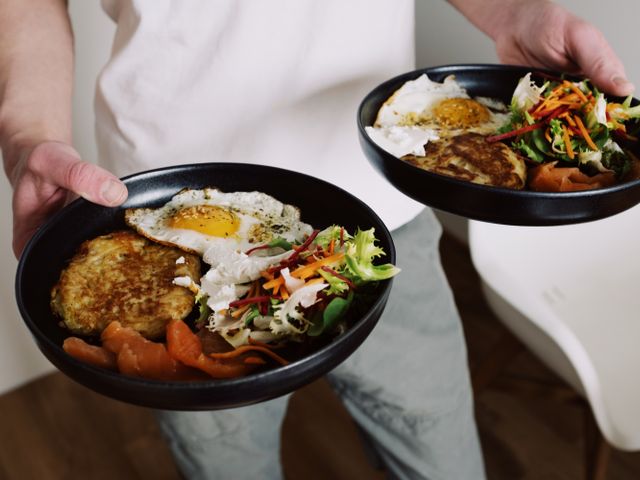
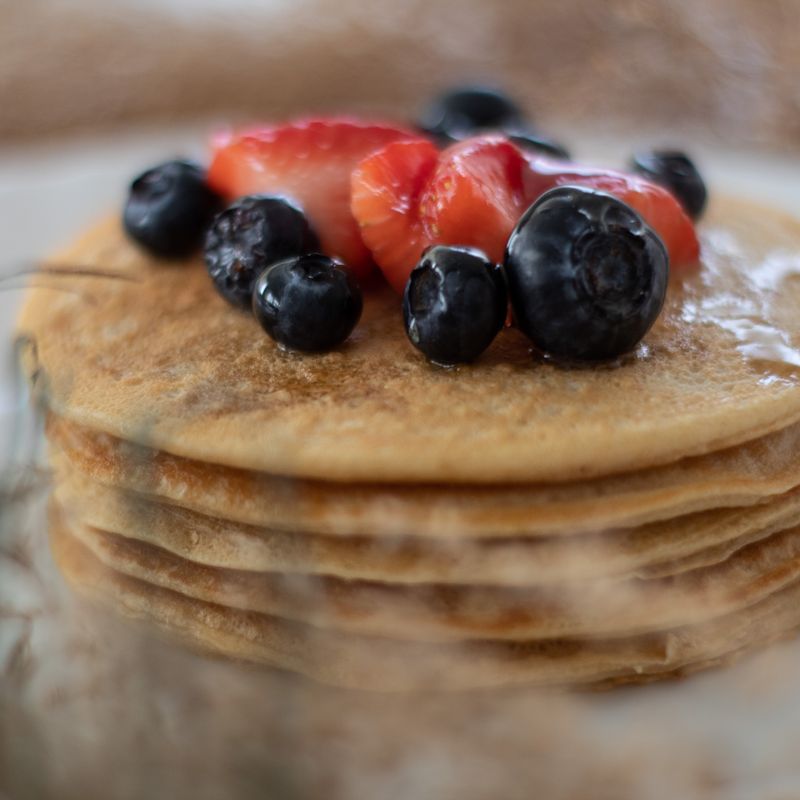
- Serve immediately from the skillet with your choice of toppings: fresh berries, sliced peaches, jam, powdered sugar, maple syrup, or savory options like sautéed greens and a fried egg.
+ Show details− Hide details
Ready when: Top is set and slightly deflated; edges are crispy
Tip: Serve immediately—Dutch babies are best eaten fresh, while they're still warm and the texture contrast between custardy center and crispy edges is at its peak.
Good to know
Tips
- Sourdough discard Dutch babies taste slightly tangier and more complex than traditional Dutch babies, and the yeast activity in the discard gives a slightly lighter crumb.
- The pancake will puff into a dramatic cloud and then deflate slightly as it cools. This is completely normal and expected. The deflation reveals a tender, almost custard-like interior.
- Cast iron is essential for this recipe because it distributes heat evenly and holds temperature well. A regular metal skillet will not produce the same result.
- If you add toppings like jam or syrup directly to the hot Dutch baby, it will soften the crispy edges. Instead, serve toppings on the side or add them just before eating.
Storage & reheating
Best eaten fresh the day it is made. Leftovers can be stored in an airtight container in the refrigerator for up to 2 days, but the texture will soften. Reheat briefly in a 350°F (175°C) oven for 5–7 minutes to re-crisp the edges. Do not freeze.
Substitutions
- whole milk → 2% milk, buttermilk, or oat milk. Whole milk gives the richest, most custardy center. Lower-fat milk or non-dairy milk will work but may produce a slightly less custardy result.
- all-purpose flour → whole wheat flour or spelt flour. Substitute up to half of the all-purpose flour. Higher-protein flours may require slightly more milk to achieve the thin batter consistency.
- vanilla extract → almond extract or omit entirely. Vanilla is optional. Use a small amount of almond extract for a different flavor profile, or skip it entirely for a more neutral pancake.
- kosher salt → sea salt or fine salt. Any salt will work. Kosher salt is used because it dissolves easily into the wet batter.