Quick Ricotta and Lemon Zest Sauce
A silky, bright sauce made with fresh ricotta, lemon zest, and garlic that clings to pasta and adds richness without heaviness. Ready in 10 minutes, it's a weeknight staple that tastes like you spent hours in the kitchen. Perfect for tossing with long pasta like spaghetti or linguine, or short shapes like penne.
- Prep
- 5 min
- Cook
- 5 min
- Total
- 10 min
- Makes
- About 1½ cups sauce (serves 4 as a main course over 1 lb pasta)
Steps
Before you start
- Bring a large pot of salted water to a boil for pasta if you're serving this immediately
- Have the ricotta at room temperature (takes 15–20 minutes out of the fridge, or microwave gently for 30 seconds) so it blends smoothly
- Zest the lemon before cutting or juicing it
Toast garlic in oil
- Heat the olive oil in a large skillet over medium heat.
- Add the minced garlic and stir constantly for 30–45 seconds until fragrant and just starting to turn pale golden.
- Watch carefully—garlic burns quickly and tastes bitter.
+ Show details− Hide details
Ready when: Garlic is fragrant and pale golden, not brown
Tip: Don't let the garlic brown—it will taste acrid. If the pan gets too hot, pull it off the heat for a few seconds.
Add ricotta and warm through
- Pour in the ricotta and stir gently to combine with the garlic oil, breaking up any large clumps as you stir.
- Warm over medium heat, stirring occasionally, for 2–3 minutes until the ricotta is hot throughout and creamy.
- It should not boil.
+ Show details− Hide details
Ready when: Ricotta is steaming and has a smooth, creamy texture, no lumps visible
Tip: Stir gently and don't rush—heating it slowly keeps the ricotta silky. If it's cold to begin with, it needs the full 3 minutes.
Season with lemon and cheese
- Remove the skillet from heat and stir in the lemon zest, lemon juice, and grated Parmigiano-Reggiano.
- Add a splash (about ¼ cup / 60 ml) of hot pasta cooking water to loosen the sauce into a fluid consistency that will coat the pasta.
- Taste and adjust with salt and black pepper.
+ Show details− Hide details
Ready when: Sauce is smooth, pale yellow, smells bright and lemony, and coats the back of a spoon
Tip: Start with ¼ cup of pasta water and add more if needed—the sauce should be creamy but pourable, not stiff. The starch in pasta water helps it cling to the noodles.
Finish and serve
- If using red pepper flakes, sprinkle them in now and stir.
- Transfer the sauce to a warm serving bowl and pour it over hot, drained pasta.
- Toss well and serve immediately with extra grated Parmigiano-Reggiano and a crack of black pepper.
+ Show details− Hide details
Tip: Work quickly once the pasta is drained—warm plates and bowls keep the sauce from cooling. Toss gently but thoroughly so every noodle is coated.
Good to know
Tips
- This sauce clings best to long, thin pasta like spaghetti, linguine, or angel hair. It also works beautifully over pappardelle or short tubes like penne.
- Don't skip bringing the ricotta to room temperature beforehand—cold ricotta won't blend smoothly and you'll end up with a lumpy sauce.
- Pasta water is essential: its starch helps the sauce emulsify and stick to the noodles. Always reserve a cup before draining.
- For a protein boost, toss in flaked canned tuna, crispy anchovies, or pan-seared shrimp at the very end of step 2 before adding the lemon.
Storage & reheating
Store cooled sauce in an airtight container in the refrigerator for up to 3 days. Reheat gently in a skillet over medium-low heat, stirring in a splash of pasta water or milk to loosen it if it's become thick. Do not freeze—the ricotta becomes grainy upon thawing.
Substitutions
- whole-milk ricotta cheese → Mascarpone cheese. Use the same amount. It will be richer and less tangy. Whisk it smooth with the pasta water before adding to the skillet.
- Parmigiano-Reggiano cheese → Pecorino Romano. Use the same amount. The sauce will be slightly saltier and more peppery. Start with ½ cup and add more to taste.
- lemon → Lime zest. Use the same amount. You'll get a different but equally bright character. Use fresh lime juice in place of lemon juice too.
- extra-virgin olive oil → Unsalted butter. Use 3 tablespoons (43 g). It will taste richer and more classic Italian. Toast the garlic in the melted butter the same way.
More pasta sauces
See all →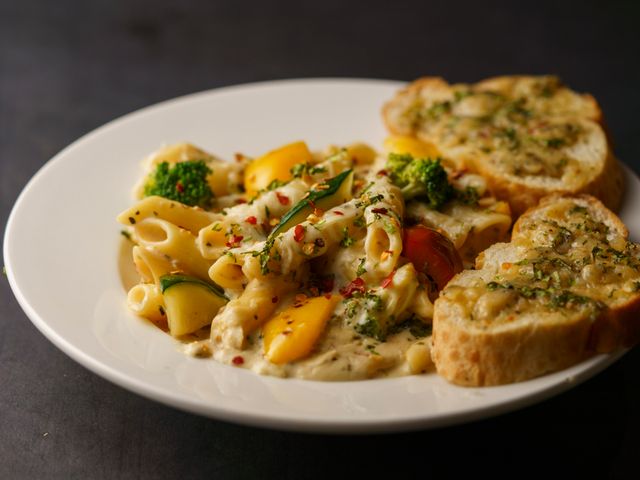


Find more like this
- Meal
- Dinner
- Cuisine
- Italian
- Main ingredient
- LemonsCream Cheese
- Method
- Stovetop