Orecchiette and Potatoes with Bitter Greens
A rustic Italian pasta dish where tender orecchiette, cubed potatoes, and sautéed bitter greens come together in garlicky olive oil. The pasta water creates a silky sauce that coats everything. This one-pot method is both satisfying and unfussy—perfect weeknight comfort food.
Steps
Before you start
- Bring a large pot of salted water to a boil before you start prepping ingredients
- Choose one bitter green: broccoli rabe, dandelion greens, or lacinato kale work best
- Peel potatoes and cut into even ½-inch cubes for uniform cooking
Boil potatoes and pasta together
- In a large pot of boiling salted water (the water should taste like the sea), add the diced potatoes.
- Boil for 8 minutes until just barely tender.
- Then add the orecchiette and cook for another 8–10 minutes, stirring occasionally, until the pasta is nearly al dente and potatoes are soft but still hold their shape.
- Reserve 1 cup of pasta water, then drain in a colander.
+ Show details− Hide details
Ready when: Potatoes are fork-tender; pasta is just shy of fully tender
Tip: Reserve the starchy pasta water—it will emulsify with the oil to create the sauce.
Sauté garlic and greens
- While the pasta cooks, heat the olive oil in a large skillet over medium heat.
- Add the minced garlic and red pepper flakes, stirring constantly for 30 seconds until fragrant.
- Add the bitter greens (they will seem to overflow; keep stirring) and cook for 3–4 minutes, using tongs to turn them often, until wilted and tender.
- Season lightly with salt and pepper.
+ Show details− Hide details
Ready when: Greens are soft and tender; no raw color remains
Tip: Don't let garlic brown—it will taste bitter. Keep the heat at medium and stir constantly.
Combine pasta with greens and oil
- Add the drained pasta and potatoes to the skillet with the greens.
- Pour in ¾ cup of the reserved pasta water and toss gently with tongs for 1–2 minutes over medium heat, allowing the starchy water to coat everything and create a light sauce.
- Add more pasta water, a splash at a time, if the mixture looks too dry.
- The pasta should finish cooking through (now fully al dente) and the oil should emulsify with the starch into a silky coating.
+ Show details− Hide details
Ready when: Pasta is tender; a light sauce coats the dish; no excess liquid pools
Tip: Toss gently to avoid breaking up the potatoes, but be thorough so the pasta water mixes evenly.
Taste and finish
- Remove from heat.
- Taste and adjust seasoning with salt and black pepper.
- Divide among four bowls and top with grated Parmigiano-Reggiano if desired.
- Drizzle with a little extra olive oil for richness.
- Serve immediately while hot.
+ Show details− Hide details
Tip: Parmigiano is optional but adds a sharp, salty depth—use it if you like stronger flavor.
Good to know
Tips
- Salting your pasta water properly is crucial—it's the only seasoning that gets into the starch, so taste it and make sure it's as salty as seawater.
- The key to this dish's silky finish is the emulsion of starchy pasta water with olive oil. Don't skip reserving the cooking water, and don't use hot, freshly drained water or it will splash.
- Broccoli rabe (rapini) is the most traditional choice for this dish in Southern Italy, with its pleasant bitter edge and tender stems. Dandelion greens are earthier; kale is milder.
- This is a peasant dish that celebrates simplicity—resist the urge to add cream, butter, or too many garnishes. Let the vegetables and good olive oil shine.
Storage & reheating
Store leftovers in an airtight container in the refrigerator for up to 3 days. Reheat gently on the stovetop with a splash of water or broth over medium-low heat, stirring often to prevent sticking, until warmed through (about 5 minutes). The dish does not freeze well because the pasta becomes mushy upon thawing.
Substitutions
- bitter greens (broccoli rabe, dandelion, or lacinato kale), trimmed → Swiss chard, escarole, or rapini. Any hearty green will work; avoid delicate spinach, which becomes mushy. Adjust cooking time by 1–2 minutes depending on thickness.
- orecchiette pasta → rigatoni, penne, or fusilli. Use a short, sturdy pasta shape that won't break when tossed. Avoid thin pasta like spaghetti.
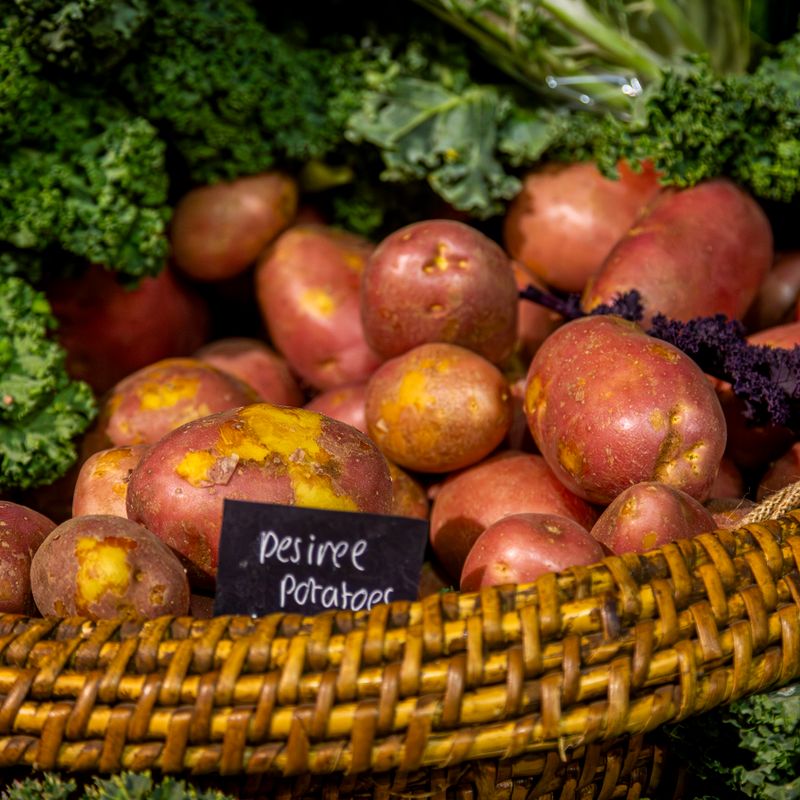
- waxy potatoes (such as Yukon Gold) → waxy red potatoes or fingerling potatoes. Avoid starchy russet potatoes, which will fall apart. Waxy varieties hold their shape and have better texture.
- extra-virgin olive oil → good-quality vegetable oil. Use a neutral oil if you prefer, though extra-virgin olive oil provides essential flavor here.