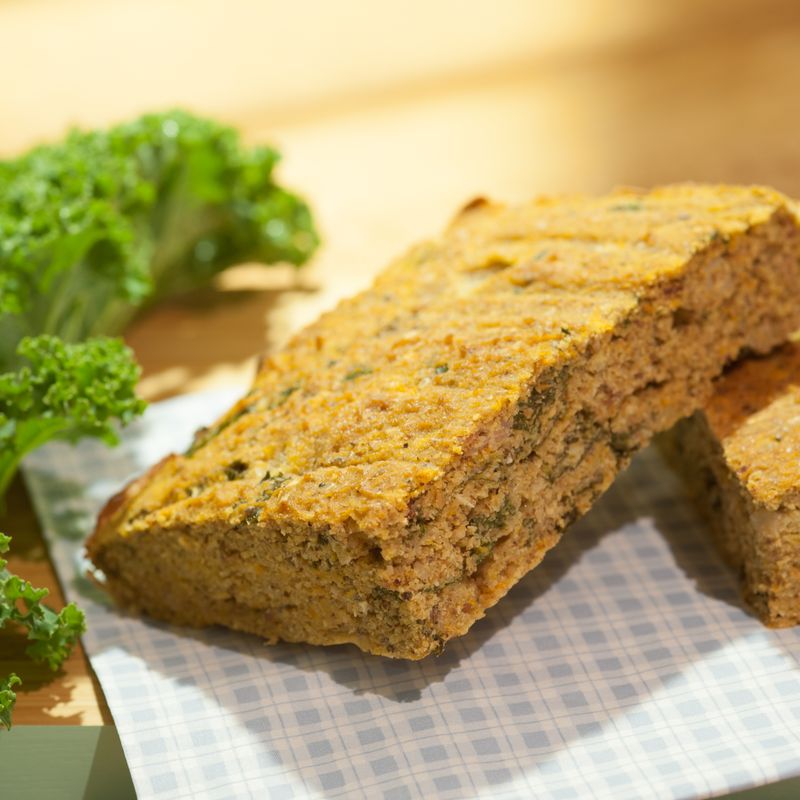
Italian Ribollita with Kale and Bread
Ribollita is a classic Tuscan soup born from peasant resourcefulness—day-old bread simmered into a thick, nourishing broth with cannellini beans, kale, tomatoes, and aromatics. The bread dissolves and thickens the soup while soaking up the savory flavors of beans and vegetables. It's naturally vegetarian, improves with time, and tastes even better the next day when the flavors deepen and the bread fully integrates.
- Prep
- 25 min
- Cook
- 40 min
- Wait
- 15 min
- Total
- 1 hr 20 min
- Makes
- 6 servings (about 10 cups total)
Steps
Before you start
- Have day-old or stale bread on hand; fresh bread will fall apart too quickly
- Rinse canned beans if using, or use cooked dried beans drained
- Prep all vegetables before you start cooking
Build the base
- Heat 3 tbsp (45 ml) olive oil in a large Dutch oven or 5–6 quart pot over medium heat.
- Add the diced onion, celery, and carrot (the Italian soffritto), and cook, stirring occasionally, for 6–7 minutes until softened and fragrant.
- Add the minced garlic and cook for another 1 minute until just fragrant.
+ Show details− Hide details
Ready when: Vegetables are softened and garlic is fragrant
Tip: Medium heat prevents the garlic from browning or burning, which would turn bitter.
Add tomatoes and paste
- Stir in the tomato paste and cook for 1 minute, coating the vegetables and allowing it to caramelize slightly.
- Pour in the canned whole tomatoes with their juice (crushing them by hand or with a wooden spoon as you add them), then add the vegetable broth.
- Stir well.
+ Show details− Hide details
Ready when: Tomatoes are broken up and the liquids are evenly combined
Tip: Crushing the canned tomatoes by hand gives you control over their size and helps them integrate smoothly.
Add beans, kale, and herbs
- Add the drained cannellini beans, chopped kale, rosemary sprigs, and red pepper flakes (if using).
- Bring the soup to a gentle simmer, stirring occasionally.
- Taste and season with kosher salt and black pepper.
+ Show details− Hide details
Ready when: Soup reaches a gentle simmer and kale begins to wilt
Tip: Season conservatively now; you'll taste again after the bread is added and can adjust then.
Simmer the soup
- Reduce heat to medium-low and simmer for 15 minutes, stirring occasionally.
- The kale should become tender and the flavors meld.
- Do not cover the pot, as you want some of the liquid to reduce slightly.
+ Show details− Hide details
Ready when: Kale is tender; soup smells deeply savory
Tip: Stir occasionally to ensure even cooking and to prevent the bottom from sticking.
Add bread and integrate
- Tear or cut the stale bread into rough ½–¾ inch pieces and add them to the simmering soup.
- Stir well to submerge the bread.
- The bread will begin to absorb liquid and soften almost immediately.
- Simmer for another 10–15 minutes, stirring frequently (every 2–3 minutes), until the bread breaks down and thickens the soup into a porridge-like consistency.
- The soup should still have some body and texture, not be completely smooth.
+ Show details− Hide details
Ready when: Bread has mostly dissolved; soup is thick and creamy but still chunky
Tip: Stir frequently to prevent the bread from clumping. If the soup becomes too thick, thin it with a bit more broth; if still too liquid, continue simmering and stirring to let the bread thicken further.
Final seasoning and finish
- Discard the rosemary sprigs.
- Taste the soup and adjust salt and black pepper as needed.
- Ladle the ribollita into bowls and drizzle each serving with 1–2 teaspoons of extra-virgin olive oil.
+ Show details− Hide details
Ready when: Seasoning is balanced; soup tastes full and savory
Tip: The drizzle of raw olive oil at the finish adds freshness and richness that brightens the rustic, earthy flavors.
Good to know
Tips
- Ribollita is best made with stale bread. Fresh bread will turn to mush instead of thickening the soup; if you must use fresh bread, toast it lightly first to dry it out.
- This is a forgiving recipe. Add extra vegetables (zucchini, spinach, white beans, or diced potatoes) if you have them; just increase the broth slightly to compensate.
- True Tuscan ribollita often includes a dab of tomato paste for depth; resist the urge to skip it—it adds concentrated umami that brightens the whole bowl.
- Drizzle with quality olive oil at the table. This final touch of raw oil transforms the soup from hearty to luxurious and is not optional in authentic Tuscan cooking.
Make ahead
Ribollita tastes even better the next day or two. Cool completely, store in the refrigerator, and reheat gently on the stovetop over medium-low heat, thinning with broth if needed. It can also be frozen for up to 3 months.
Storage & reheating
Room temperature: Keep in an airtight container for up to 2 hours. Refrigerator: Store in a covered container for up to 5 days. Reheat on the stovetop over medium-low heat, thinning with vegetable broth if the soup has thickened further. Freezer: Freeze in airtight containers or freezer bags for up to 3 months. Thaw overnight in the refrigerator and reheat as above.
Substitutions
- Lacinato or curly kale → Cavolo nero (Lacinato kale), chard, spinach, or even cabbage. Cavolo nero is traditional and most authentic; softer greens like spinach will cook faster, so add them in the last 5 minutes. Cabbage adds a slightly different but delicious flavor.
- canned cannellini beans → Borlotti beans, great northern beans, or chickpeas. Cannellini are traditional and mild; borlotti have an earthy flavor that some prefer. Chickpeas will give a slightly nuttier, denser texture.
- stale or day-old bread (rustic Italian, such as ciabatta or pane toscano) → Toasted bread cubes, crackers, or sourdough. The bread must be stale so it breaks down rather than staying firm. Toasted bread cubes work well; avoid soft fresh bread.
- vegetable broth → Chicken broth or water with a vegetable bouillon cube. Vegetable broth is most common, but chicken broth works if you prefer a lighter body. Water alone will produce a thinner soup; a cube adds depth.
More vegetable soups
See all →



Find more like this
- Meal
- Lunch
- Cuisine
- Tuscan
- Main ingredient
- White Beans
- Method
- Stovetop