Horseradish Whipped Potatoes
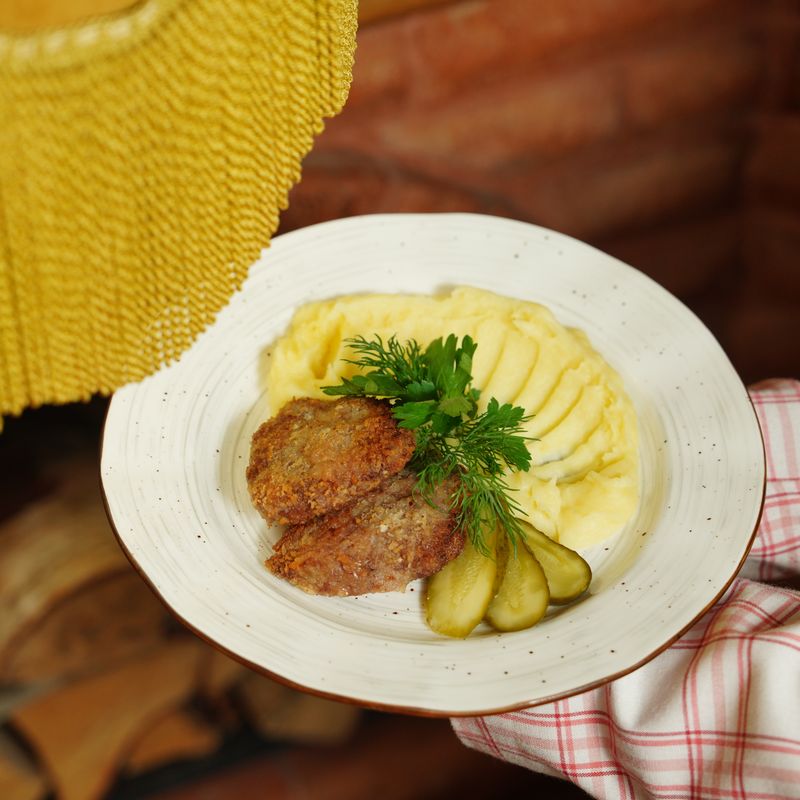
Creamy mashed potatoes with a sharp, peppery kick from prepared horseradish, finished with sour cream for tanginess and a touch of butter for richness. These whipped potatoes add sophistication to roasted meats and holiday tables.
Steps
Before you start
- Have all ingredients at room temperature before you start
- Fill a large pot with cold water and salt it generously—this helps potatoes cook evenly and season throughout
- Have a colander and ricer or potato masher ready by the stovetop
Boil potatoes until tender
- Place salted water in a large pot and bring to a boil over high heat.
- Add the cubed potatoes and return to a boil.
- Reduce heat to medium and simmer for 15–18 minutes, until the potatoes are completely fork-tender with no resistance at the center.
- The timing depends on your potato size; start checking at 15 minutes.
+ Show details− Hide details
Ready when: A fork inserted into a potato meets no resistance and the potato breaks apart easily
Tip: Don't crowd the pot; let potatoes cook in a single layer with space between them for even cooking. Overcrowding causes uneven texture.
Drain potatoes thoroughly
- Drain the potatoes in a colander and let them sit for 1 minute to release excess steam.
- Do not rinse.
- The starch left on the potatoes will help create a creamy texture.
+ Show details− Hide details
Ready when: Potatoes are well-drained and no longer steaming visibly
Tip: Never rinse boiled potatoes; the starch is essential for creamy, smooth mashed potatoes.
Rice or mash potatoes
- While the potatoes are still warm, pass them through a potato ricer into a large mixing bowl, or mash them with a potato masher until completely smooth with no lumps.
- If using a ricer, press firmly to extract all the potato flesh.
- Work quickly while the potatoes are hot, as warm potatoes whip more smoothly.
+ Show details− Hide details
Ready when: Potatoes are completely smooth and lump-free
Tip: A ricer produces silkier potatoes than a masher, but either tool works. Never use a food processor; it develops gluten and makes potatoes gluey.
Fold in horseradish and butter
- While the potatoes are still hot, fold in the drained prepared horseradish with a wooden spoon or spatula until evenly distributed.
- Add the softened butter pieces in two additions, folding gently until each addition is incorporated.
- The residual heat will melt the butter.
+ Show details− Hide details
Ready when: Horseradish and butter are evenly dispersed throughout and no butter streaks remain visible
Tip: Fold gently rather than stirring vigorously to keep the potatoes light and fluffy. Avoid overmixing, which can make them dense.
Add sour cream and milk
- Pour in the room-temperature sour cream and the warmed milk in two additions each, folding gently with a wooden spoon or rubber spatula after each addition.
- The potatoes should be creamy and smooth but still hold their shape when scooped—not runny.
+ Show details− Hide details
Ready when: Potatoes are creamy and smooth with no visible sour cream streaks; they fall slowly from a spoon
Tip: Add dairy gently to avoid overworking the potatoes. If they seem too stiff, add milk a tablespoon at a time; if too loose, stop adding liquid.
Season and finish
- Taste the potatoes and season with kosher salt and freshly ground black pepper to your preference.
- Fold in the chopped chives if using.
- Serve immediately while hot.
+ Show details− Hide details
Ready when: Potatoes are well-seasoned with a pleasant peppery bite and no flat flavor
Tip: Taste as you season; prepared horseradish is already salty, so add salt gradually to avoid over-seasoning.
Good to know
Tips
- Damp potatoes absorb seasonings unevenly; always drain thoroughly and let excess steam escape before mashing.
- Prepared horseradish loses its bite if cooked directly; fold it in after the potatoes are off heat to preserve its peppery punch.
- Room-temperature dairy prevents the potatoes from cooling too quickly and becoming stiff and gluey.
- Serve these potatoes hot alongside roasted beef, pork, or duck, where the horseradish's sharpness complements rich meats beautifully.
Make ahead
Potatoes can be boiled and drained up to 4 hours ahead; cover and refrigerate. When ready to serve, reheat the drained potatoes gently in a pot over medium heat with a splash of milk, stirring occasionally, for 5–7 minutes until warm through. Then proceed with mashing, butter, sour cream, and seasonings.
Storage & reheating
Store leftovers in an airtight container in the refrigerator for up to 3 days. Reheat gently in a pot over medium-low heat, stirring often and adding a splash of milk if needed to restore creaminess. Do not microwave, as it can make the texture grainy. Potatoes do not freeze well due to the sour cream.
Substitutions
- prepared horseradish (from the refrigerated section) → 2 tablespoons fresh horseradish root, finely grated, or 2 teaspoons dried horseradish powder mixed with 1 tablespoon sour cream. Fresh horseradish is sharper and less briny than prepared; start with 1½ tablespoons and add more to taste. Powder is milder; hydrate it first to activate the flavor.
- sour cream → Greek yogurt or crème fraîche. Greek yogurt creates a tangier, slightly firmer texture; crème fraîche adds richness. Use the same amount.
- whole milk → heavy cream, chicken or vegetable broth, or additional sour cream. Cream makes the potatoes richer; broth adds savory depth. Use the same amount, adjusting to reach desired consistency.
- fresh chives → fresh dill, tarragon, or parsley. Dill and tarragon echo the horseradish's sharpness; parsley is mild and works as a neutral garnish.