Greek Kritharaki Ouzo Butter
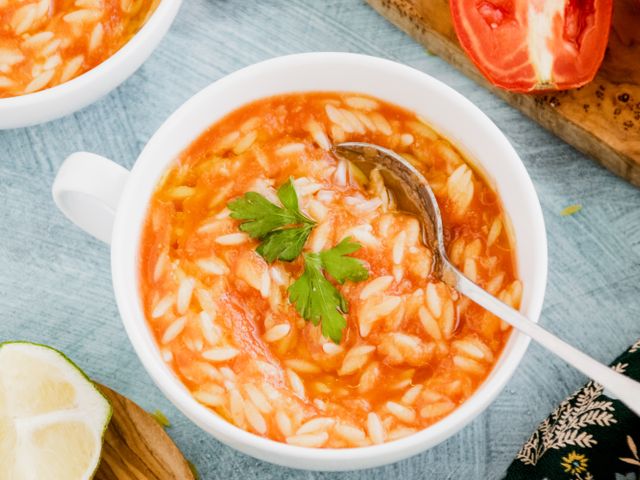
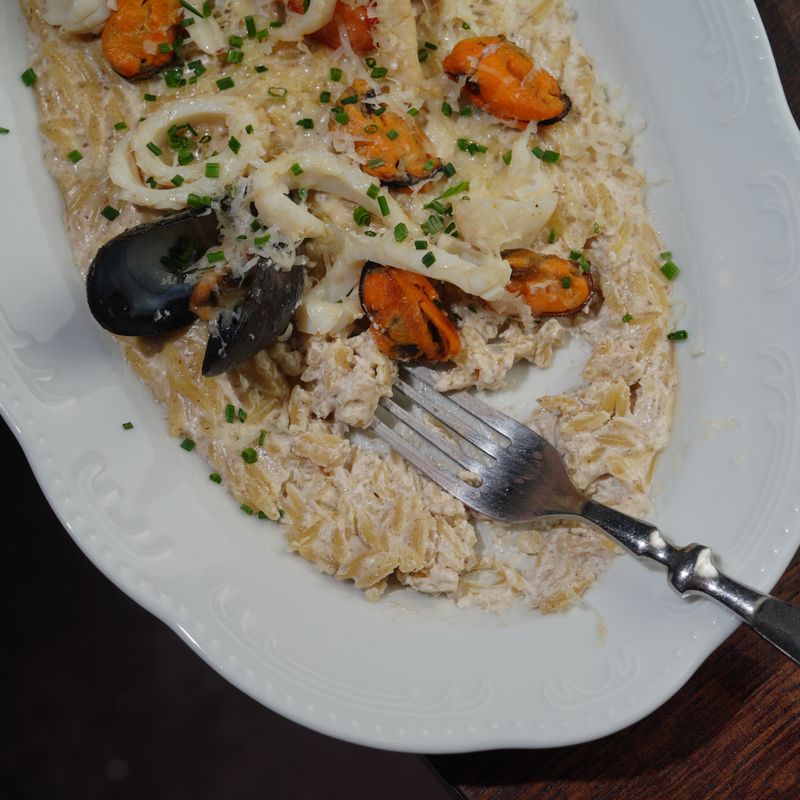
Buttery kritharaki (orzo pasta) finished with anise-scented ouzo, fresh lemon, and fragrant dill. This simple Greek side dish celebrates the marriage of pasta and spirit—the ouzo reduces to a delicate licorice note that doesn't overpower. Perfect alongside grilled fish, lamb, or vegetables.
Steps
Before you start
- Measure all ingredients before you start—the cook time is quick and you'll need to work efficiently.
- Use a wide, shallow pan (10–12 inches) so the ouzo reduces quickly and evenly.
- Have your lemon juice freshly squeezed and dill finely chopped.
Boil the kritharaki
- Bring a large pot of water to a boil over high heat.
- Add 2 tsp (10 g) kosher salt.
- Once boiling, add 8 oz (225 g) kritharaki and stir to prevent sticking.
- Cook for 10–12 minutes, or until al dente (tender but with a slight firmness in the center).
- Reserve 1 cup (240 ml) pasta water, then drain the kritharaki in a colander.
+ Show details− Hide details
Ready when: kritharaki is tender but not mushy; grains still hold their shape
Tip: Reserve pasta water before draining—you'll use it to adjust the sauce consistency if needed.
Reduce the ouzo
- While the kritharaki cooks, heat a 10–12 inch wide skillet over medium-high heat.
- Once hot, add 0.33 cup (80 ml) ouzo.
- Let it bubble for 2–3 minutes to allow the alcohol to burn off and the licorice notes to concentrate.
- You should see steam rising and the volume reduce by about half.
+ Show details− Hide details
Ready when: ouzo is fragrant, volume has reduced by half, and no sharp alcohol smell remains
Tip: Don't skip this reduction—it mellows the anise flavor and removes the harsh edge of raw liqueur.
Mount the butter
- Reduce heat to medium.
- Add 6 tbsp (85 g) cold butter cubes to the reduced ouzo one or two pieces at a time, stirring with a wooden spoon until each piece is fully incorporated before adding more.
- This emulsifies the sauce and creates a silky texture.
- It should take about 2 minutes total.
+ Show details− Hide details
Ready when: butter is fully incorporated, sauce is glossy and pale golden
Tip: Keep the heat at medium to prevent the sauce from breaking or separating; too high and the butter will crack.
Finish with lemon and dill
- Add 2 tbsp (30 ml) fresh lemon juice to the butter sauce and stir gently.
- The sauce may look momentarily loose—this is normal.
- Add the drained kritharaki directly to the skillet and toss gently with the sauce for about 30 seconds to coat every grain.
- Season with fresh black pepper and a pinch of red pepper flakes if desired.
- If the pasta seems dry, add a splash (2–3 tbsp) of reserved pasta water to reach your preferred creamy consistency.
+ Show details− Hide details
Ready when: kritharaki is evenly coated, dill is distributed throughout, sauce clings to each grain
Tip: Toss gently so the grains stay intact; vigorous stirring can break up the delicate pasta.
Garnish and serve
- Transfer to a serving bowl or platter.
- Top with an optional 0.5 tsp (2 g) of lemon zest for a bright pop of color and extra citrus aroma.
- Serve immediately while the pasta is warm and the sauce is silky.
+ Show details− Hide details
Tip: Lemon zest adds visual appeal and a subtle brightness without extra moisture—highly recommended.
Good to know
Tips
- Ouzo pairs beautifully with Greek seafood, particularly grilled shrimp, branzino, or scallops.
- This dish is best served immediately—the butter sauce sets as it cools, so timing is important.
- For a more substantial dish, fold in cooked shrimp, flaked white fish, or sautéed cherry tomatoes just before serving.
- If you cannot find kritharaki, any small pasta shape (orzo, pastina, stellini) works; adjust cooking time by 1–2 minutes if needed.
Storage & reheating
Best served immediately. Leftover kritharaki can be stored in an airtight container in the refrigerator for up to 2 days. Reheat gently on the stovetop over low heat with a splash of water or broth to refresh the sauce; do not microwave, as this can make the pasta grainy and the sauce may separate.
Substitutions
- ouzo (Greek anise liqueur) → pastis or other anise liqueur. French pastis is a close substitute; reduce it the same way. The flavor will be slightly sweeter and less herbaceous.
- fresh dill → fresh parsley or fennel fronds. Parsley is milder; use the same amount. Fennel fronds echo the anise notes of the ouzo for a cohesive flavor.
- kritharaki (orzo pasta) → regular orzo or short pasta like farfalle. Regular orzo works identically; farfalle adds visual interest but may require 1–2 extra minutes to cook.
- unsalted butter → olive oil (use 4 tbsp/60 ml extra-virgin olive oil). This creates a lighter, more Mediterranean version, but loses some richness. Use high-quality olive oil for best flavor.