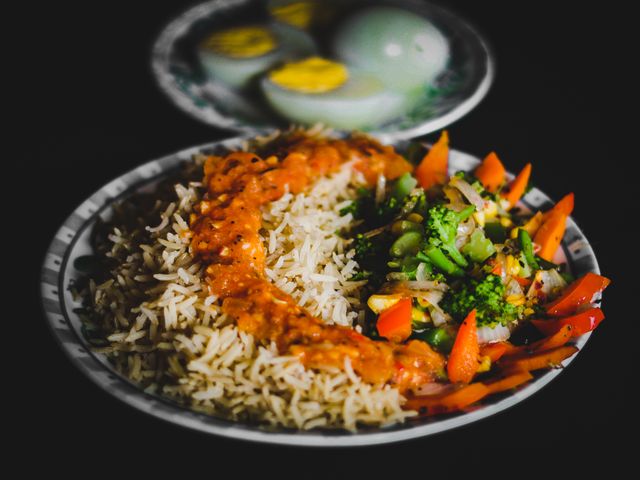
French Normandy Cider Braised Leek Rice
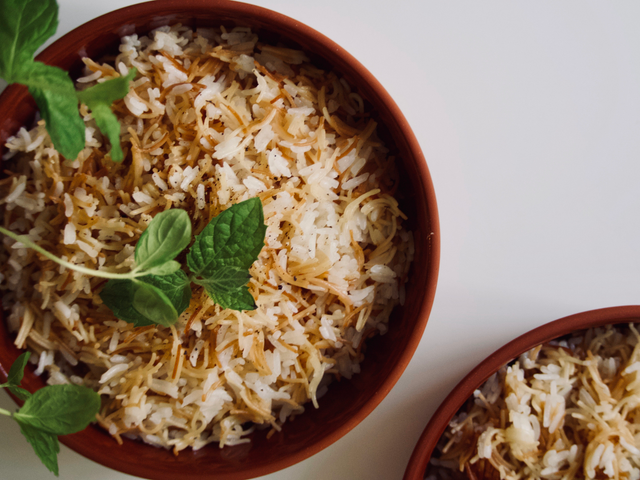
Jasmine rice braised gently in a mixture of dry apple cider, chicken stock, and fresh thyme, studded with tender braised leeks. This dish captures the essence of Normandy with its subtle apple notes and aromatic herbs. Serve as a refined side to roasted chicken, pork, or seafood.
- Prep
- 15 min
- Cook
- 25 min
- Wait
- 10 min
- Total
- 50 min
- Makes
- 4 servings (about 1 cup each)
Steps
Before you start
- Measure your rice and stock ingredients before starting
- Use a heavy-bottomed pot with a tight-fitting lid to ensure even cooking and steam retention
- Have all leeks cleaned and sliced before you begin braising
Braise the leeks
- Melt 2 tbsp (30 g) butter in a heavy-bottomed pot over medium heat.
- Once foaming, add the prepared leek pieces in a single layer.
- Season lightly with salt and black pepper.
- Cook for 3–4 minutes, stirring occasionally, until they begin to soften and take on light color.
- The leeks will release their moisture and become translucent at the edges.
+ Show details− Hide details
Ready when: Leeks soften and become translucent at the edges, releasing liquid into the pot
Tip: Do not brown the leeks; you want them to soften gently to maintain their delicate flavor and pale color.
Toast the rice
- Add the rinsed jasmine rice to the pot with the leeks.
- Stir constantly for 2 minutes to coat the rice grains with butter and distribute them evenly throughout the leeks.
- The rice will smell fragrant and slightly nutty.
+ Show details− Hide details
Ready when: Rice grains are coated with butter and smell fragrant
Tip: Stirring the rice ensures even hydration and prevents clumping during the braise.
Add liquid and aromatics
- Pour in the 0.5 cup (120 ml) dry apple cider and 2.5 cups (600 ml) chicken stock.
- Nestle the thyme sprigs and bay leaf among the rice.
- Stir once to distribute everything evenly.
- Taste the liquid and adjust seasoning with a pinch of salt; remember that the liquid will reduce and concentrate, so go easy.
+ Show details− Hide details
Ready when: Liquid comes to a gentle simmer
Tip: The ratio of liquid to rice (3 cups to 1.5 cups rice) is traditional for jasmine rice braising. Use unsalted stock so you can control the final seasoning.
Bring to a simmer
- Increase the heat to medium-high and bring the liquid to a gentle simmer, stirring occasionally.
- Once you see steam rising and small bubbles breaking the surface, cover the pot tightly with its lid.
+ Show details− Hide details
Ready when: Liquid simmers gently; you see steady steam and small bubbles
Tip: A tight-fitting lid is essential—steam must be trapped to cook the rice evenly and prevent it from drying out.
Braise covered
- Reduce the heat to medium-low and maintain a gentle, steady simmer.
- Do not peek or stir.
- Let the rice and leeks braise together for 18–20 minutes.
- The liquid will gradually absorb into the rice.
+ Show details− Hide details
Ready when: Rice grains are tender and liquid is mostly absorbed; you may hear occasional faint crackling sounds from the pot bottom
Tip: Resist the urge to lift the lid during cooking—each peek releases steam and lengthens cooking time. If you must check, do it only once at 18 minutes.
Rest off heat
- Remove the pot from the heat and leave the lid in place.
- Let the rice rest for 10 minutes.
- This allows any remaining liquid to be fully absorbed and the grains to become fully tender and separate.
+ Show details− Hide details
Ready when: No steam escapes when you briefly lift the lid; rice grains are tender and separate
Tip: This resting step is crucial for jasmine rice—skipping it results in mushy or dense rice.
Fluff and finish
- Remove the lid and discard the thyme sprigs and bay leaf.
- Using a fork or rice paddle, gently fluff the rice and leeks, breaking up any clumps.
- Fold in the 1 tbsp (15 g) cold finishing butter if desired—it adds richness and a silky mouthfeel.
- Taste and adjust seasoning with salt and freshly ground black pepper.
- Scatter the chopped fresh parsley over the top if using.
+ Show details− Hide details
Ready when: Rice is fluffy and grains are separate; leeks are tender when pierced with a fork
Tip: Fold in the finishing butter gently to keep the rice fluffy; avoid stirring vigorously, which can break the grains and make the dish starchy.
Good to know
Tips
- For a richer dish, use half stock and half apple cider (1.25 cups each), which deepens the apple flavor—though this is optional and less traditional.
- Fresh leeks vary in size; aim for 4–5 pieces per serving. If your leeks are particularly thick, split them lengthwise before cutting into 2-inch pieces so they braise evenly.
- This rice pairs beautifully with roasted chicken, pork chops, or seared scallops. Its subtle sweetness from the cider complements rich meat well.
- If the rice seems dry after 18 minutes of braising, add 2–3 tbsp (30–45 ml) warm stock, cover again, and braise for another 2 minutes. This rarely happens with proper measurement, but it's a good failsafe.
Storage & reheating
Store leftover rice in an airtight container in the refrigerator for up to 3 days. Reheat gently in a covered pot over medium-low heat with a splash of chicken stock or water (about 2 tbsp per cup of rice), stirring occasionally, for 5–7 minutes until warmed through. Do not freeze, as the texture of jasmine rice becomes unpleasantly grainy when thawed.
Substitutions
- dry apple cider → dry white wine or dry vermouth. Use the same volume; the apple notes will be replaced by a more herbal, vinous flavor, but the braising liquid will remain balanced.
- jasmine rice → arborio or carnaroli rice. These short-grain varieties will yield a slightly creamier texture due to their higher starch content. Reduce liquid by 2 tbsp (30 ml) to avoid mushiness.
- fresh thyme sprigs → dried thyme. Use 1 tsp (1 g) dried thyme instead of 3 fresh sprigs. Dried thyme is more concentrated, so reduce the amount to avoid an overpowering flavor.
- unsalted chicken stock → vegetable stock. Use unsalted vegetable stock in the same amount; the dish becomes vegetarian and will be slightly lighter in flavor.