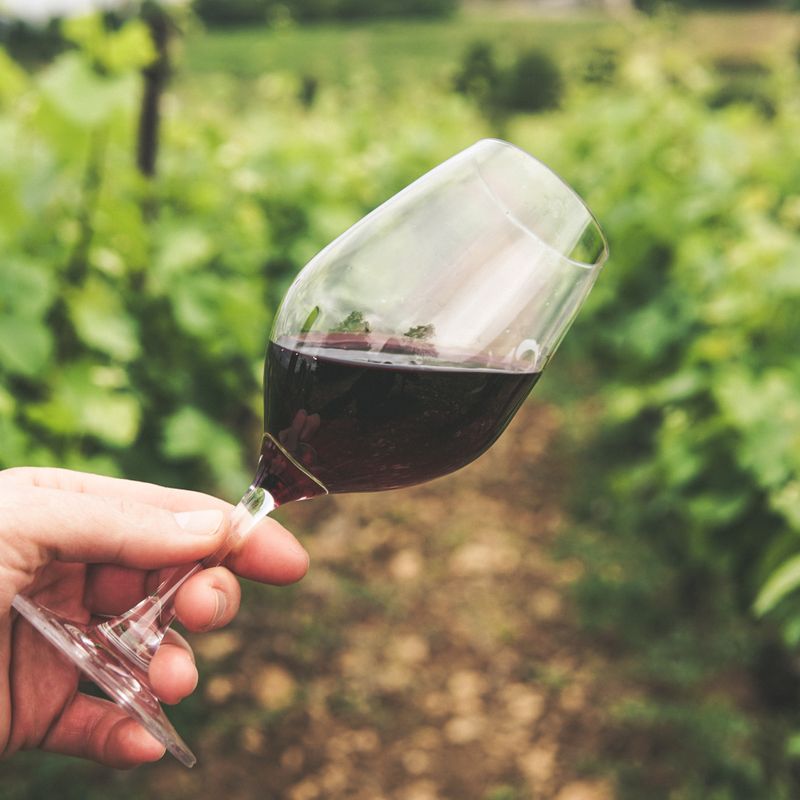
French Burgundy Red Wine Pearl Barley
A rustic yet elegant side dish where pearl barley is braised in a fragrant Burgundy wine reduction with caramelized pearl onions, earthy mushrooms, and fresh thyme. The barley absorbs the wine's complex flavors while staying tender and nutty, creating a French bistro–style accompaniment perfect for roasted meats or as a vegetarian main.
- Prep
- 20 min
- Cook
- 45 min
- Total
- 1 hr 5 min
- Makes
- 4 servings (about 1 cup each)
Steps
Before you start
- Peel and leave pearl onions whole (blanch 2 minutes in boiling water first to make peeling easier if desired)
- Measure the Burgundy wine; use a good-quality wine you'd drink
- Have fresh thyme sprigs ready (or measure dried thyme if using it)
Toast the barley
- Heat 1 tablespoon (14 g) of butter in a large heavy-bottomed pot over medium heat.
- Once foaming, add the pearl barley and stir constantly for 2–3 minutes until it smells toasted and takes on a light golden color.
- Be careful not to burn it.
- This step develops the barley's nutty flavor and helps it hold its shape during braising.
+ Show details− Hide details
Ready when: Barley is golden and fragrant, about 2–3 minutes
Tip: Watch carefully—burnt barley tastes bitter and ruins the dish. Stir constantly.
Sauté mushrooms and onions
- In the same pot, add 1 tablespoon (14 g) of butter.
- When it foams, add the halved mushrooms and cook over medium-high heat for 4–5 minutes, stirring occasionally, until they release their liquid and begin to brown.
- Add the peeled pearl onions and cook for another 2–3 minutes, stirring, until the onions start to color on the edges.
- Season lightly with salt and pepper.
+ Show details− Hide details
Ready when: Mushrooms are golden and liquid has mostly evaporated; onions have light brown edges
Tip: Don't overcrowd the pan—let vegetables brown rather than steam. Work in batches if needed.
Add aromatics and deglaze
- Stir in the minced garlic and cook for 30 seconds until fragrant.
- Pour in the 2 cups (480 ml) of Burgundy wine, scraping up any browned bits from the bottom of the pot with your wooden spoon.
- Let the wine simmer for 2–3 minutes to reduce slightly and cook off the sharp alcohol edge.
+ Show details− Hide details
Ready when: Wine has reduced by about 1 tablespoon and smells less raw
Tip: Scrape the fond (browned bits) thoroughly—it adds deep flavor. The alcohol will cook off.
Build the braise
- Add the 3 cups (720 ml) of stock, the 4 thyme sprigs, and 1 bay leaf.
- Stir well to combine.
- Bring to a boil over medium-high heat, then reduce the heat to low.
- Cover the pot with a lid, leaving it slightly ajar, and simmer gently for 35–40 minutes, stirring occasionally.
- The barley should absorb most of the liquid and become tender but still hold its shape.
+ Show details− Hide details
Ready when: Barley is tender and creamy, and most of the liquid is absorbed but the mixture is still moist, not dry
Tip: Stir every 10 minutes to prevent sticking. If the pot dries out before the barley is tender, add ¼ cup (60 ml) stock at a time.
Finish the dish
- Remove the pot from the heat.
- Fish out and discard the bay leaf and thyme sprigs.
- Stir in the remaining 1 tablespoon (14 g) of butter and, if using, the Dijon mustard (it adds a subtle tang that brightens the wine flavors).
- Taste and adjust the seasoning with salt and pepper.
+ Show details− Hide details
Ready when: Barley is creamy and well-seasoned, with a glossy sheen
Tip: The Dijon mustard is optional but recommended—it adds complexity without tasting mustard-forward.
Good to know
Tips
- Toast the barley first—it's a crucial step that prevents gumminess and creates a deeper, nuttier flavor base.
- Use a good wine you'd actually drink. A quality Pinot Noir or Burgundy will make a noticeable difference in the final dish.
- Don't rush the braising. Low, gentle heat allows the barley to absorb the wine's flavors while staying tender and not breaking down.
- The optional Dijon mustard is a French bistro trick that adds subtle complexity and brightness without making the dish taste mustard-forward.
Make ahead
Prepare the dish up to 2 hours ahead through step 4. Let it cool, cover, and refrigerate. Reheat gently over low heat on the stovetop, adding a splash of stock if it has dried out, and finish with the butter (step 5) just before serving.
Storage & reheating
Room temperature: Cover loosely and store for up to 2 hours. Refrigerator: Cover and refrigerate for up to 3 days. Reheat gently over low heat on the stovetop, stirring occasionally, until warmed through (about 5 minutes), adding a little stock if needed. Freezer: Not recommended—barley becomes mushy when thawed.
Substitutions
- Burgundy red wine (Pinot Noir or similar) → Other dry red wines (Côtes du Rhône, Pinot Noir from Oregon, or Rioja). Avoid heavily oaked wines; choose ones with earthy or fruity notes that complement mushrooms.
- fresh thyme sprigs → 1 teaspoon (1 g) dried thyme, or use fresh rosemary sprigs. Dried thyme is more concentrated; use half the amount. Rosemary adds a piney depth.
- button mushrooms → Cremini or mixed mushrooms (cremini, shiitake, oyster). Cremini adds earthiness; shiitake brings umami depth. Use about 12 oz (340 g) total.
- unsalted chicken or vegetable stock → Vegetable or beef stock. Vegetable stock keeps it lighter; beef stock adds richness. Adjust seasoning accordingly.
More rice & grains
See all →

Find more like this
- Meal
- Dinner
- Cuisine
- French
- Diet
- Sugar-Free
- Method
- Stovetop