Family Cabbage and Caraway Seed Rice
A warm, aromatic braised rice dish studded with tender cabbage and fragrant caraway seeds. This Eastern European classic is simple enough for weeknight dinners yet flavorful enough to serve alongside roasted meats or hearty stews. The caraway's distinctive earthy warmth plays against mild sweet notes from the cabbage, creating a comforting grain side that stretches a small amount of rice into a satisfying dish for the whole family.
- Prep
- 15 min
- Cook
- 25 min
- Wait
- 10 min
- Total
- 50 min
- Makes
- 4 servings (about 1.5 cups each)
Steps
Before you start
- Measure the vegetable broth and have it ready to add
- Check that your skillet has a tight-fitting lid
- Read through the timing—most of the cooking is hands-off
Toast caraway seeds
- Heat the oil in a 12-inch skillet over medium-high heat for 1 minute.
- Add the caraway seeds and toast, stirring constantly, for about 30 seconds until fragrant.
- Be careful not to burn them—they should smell warm and slightly spicy.
+ Show details− Hide details
Ready when: Caraway seeds are fragrant and slightly darkened
Tip: If the seeds start to smoke or turn dark brown, remove from heat immediately—burnt caraway tastes bitter.
Cook onion
- Add the diced onion to the toasted seeds and cook, stirring occasionally, for 3 to 4 minutes until softened and lightly golden.
- The onion should have no hard white pieces remaining and smell sweet.
+ Show details− Hide details
Ready when: Onion is soft and pale golden at the edges
Tip: Stir frequently to keep the caraway seeds from sticking to the pan bottom.
Add rice and toast
- Stir in the uncooked rice and cook for 2 minutes, stirring constantly, so the rice grains toast lightly and absorb the aromatics.
- The rice will appear slightly translucent at the edges and smell nutty.
+ Show details− Hide details
Ready when: Rice grains are slightly transparent and smell toasted
Tip: Toasting the rice improves its flavor and helps it absorb the broth evenly instead of becoming mushy.
Add cabbage and broth
- Add the chopped cabbage and vegetable broth to the skillet.
- Season with salt and a few grinds of black pepper.
- Stir everything together until well mixed.
- The broth should just cover the rice and cabbage.
+ Show details− Hide details
Ready when: All ingredients are evenly distributed in the pan
Tip: Taste a tiny bit of broth and adjust seasoning now—it's easier than adjusting at the end when the rice is cooked.
Bring to simmer and cover
- Increase the heat to high and bring the mixture to a vigorous simmer, about 2 minutes.
- You'll see steam rising and bubbles breaking the surface.
- Then reduce the heat to low and cover the skillet with a tight-fitting lid.
+ Show details− Hide details
Ready when: Mixture simmers vigorously with visible steam and bubbles
Tip: A tight lid is crucial—if steam escapes, the rice won't cook properly and the liquid will evaporate unevenly.
Braise until rice is tender
- Cook on low heat, covered, for 18 to 20 minutes without lifting the lid.
- The rice will absorb the broth gradually, and the cabbage will soften.
- You should hear gentle sizzling from underneath, never bubbling vigorously.
+ Show details− Hide details
Ready when: No liquid visible when you peek under the lid; rice grains are tender but not mushy
Tip: Resist the urge to stir or peek frequently. Every time you lift the lid, you lose steam and extend the cooking time.
Rest and fluff
- Remove the skillet from heat and let it sit, covered, for 10 minutes.
- This allows the rice to fully absorb any remaining moisture and the flavors to meld.
- Then remove the lid and fluff the rice and cabbage gently with a wooden spoon, breaking up any clumps.
+ Show details− Hide details
Ready when: Rice grains are separate and fluffy; no clumps remain
Tip: The resting step is as important as the cooking—don't skip it, or the dish will be mushy or have dry spots.
Taste and season
- Taste a spoonful of the rice and cabbage mixture.
- Add more salt and pepper as needed.
- The dish should have a balanced, savory flavor with the caraway's warm, slightly peppery note coming through clearly.
+ Show details− Hide details
Ready when: Seasoning is balanced and caraway flavor is pleasant
Tip: Taste before plating—finishing with fresh seasoning brightens the final dish and is much better than underseasoning.
Good to know
Tips
- Caraway seed flavor can be polarizing—start with 1.5 teaspoons (4 g) if cooking for people unfamiliar with it, and add more if desired. The seeds grow more aromatic as the dish sits.
- For a richer version, use half vegetable broth and half whole milk or cream, added in the final step after the rice is cooked. This creates a creamier, more luxurious side dish.
- This dish pairs wonderfully with roasted pork, duck, or braised beef. It's also excellent cold the next day, tossed with a light vinaigrette for a cabbage slaw.
- If the rice looks dry before 18 minutes but isn't tender yet, add 2 to 3 tablespoons of warm broth or water, re-cover, and continue cooking for another 2 to 3 minutes.
Make ahead
You can prepare the onion and chop the cabbage up to 1 day ahead and store in airtight containers in the refrigerator. Toast the caraway seeds and cook the dish fresh on serving day for the best flavor and texture.
Storage & reheating
Store leftovers in an airtight container in the refrigerator for up to 3 days. Reheat on the stovetop over medium heat with a splash of water or broth (about 2 tablespoons per cup) to restore moisture and prevent sticking. Alternatively, reheat covered in a microwave at 50% power for 2 to 3 minutes, stirring halfway through. The dish does not freeze well because the cabbage texture suffers after thawing.
Substitutions
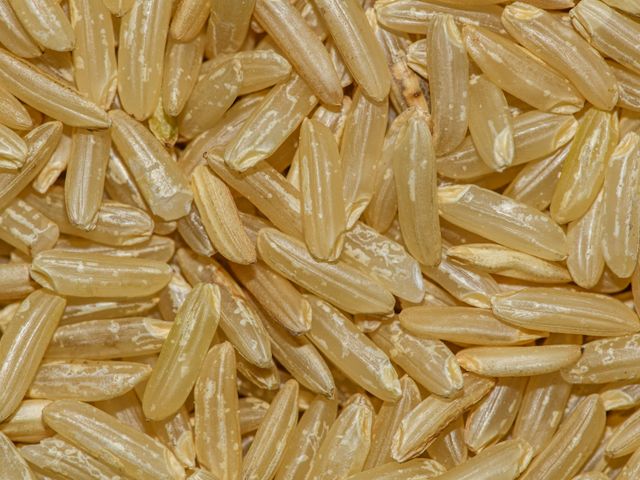
- long-grain white rice (such as jasmine or basmati) → brown rice or farro. These grains have more texture and nutty flavor. Use the same amount and increase broth to 3 cups (710 ml) and cooking time to 35–40 minutes for brown rice, or 25–30 minutes for farro, until tender.
- vegetable broth → chicken broth or beef broth. These add deeper savory flavor if serving alongside meat. Use the same amount; the cooking time and rice texture remain unchanged.
- caraway seeds → fennel seeds or a mixture of fennel and dill seeds. Fennel is slightly sweeter and less peppery. Use the same amount (2 teaspoons / 5 g) for a milder anise note, or reduce to 1.5 teaspoons (4 g) if you prefer a subtler flavor.
- green cabbage → napa cabbage or red cabbage. Napa cabbage is milder and more tender; use the same amount and watch it closely—it may soften a minute or two earlier. Red cabbage is earthier and stays firmer; it works beautifully here and adds visual color.