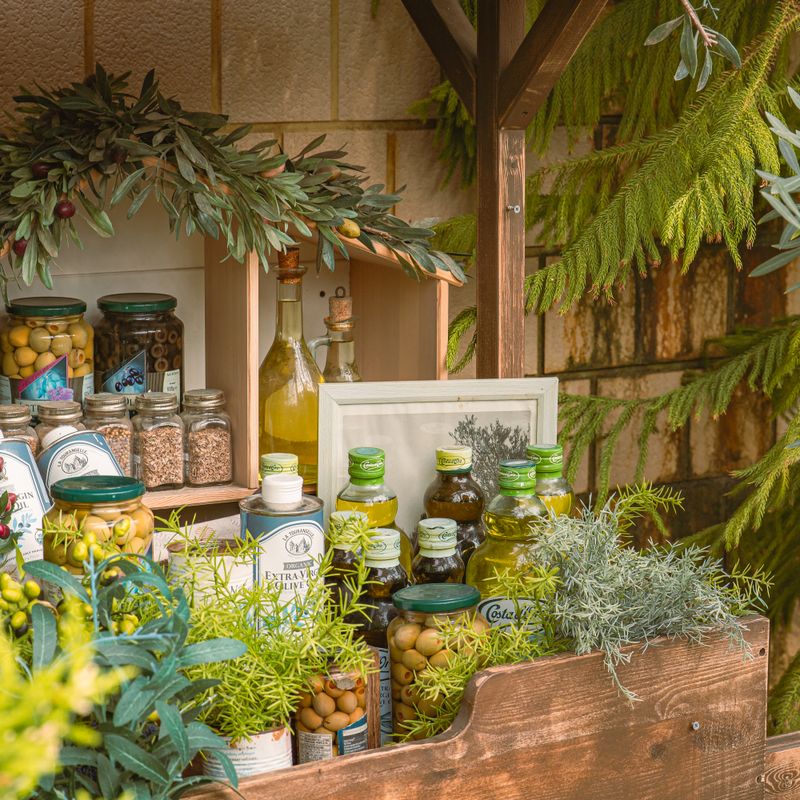
Classic Za'atar Manakish with Extra Virgin Olive Oil
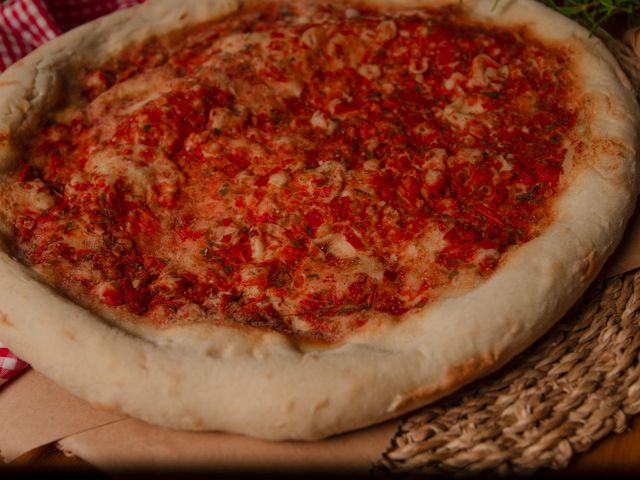
A beloved Levantine flatbread topped with a fragrant blend of za'atar spices and pooled extra virgin olive oil. The dough is soft and pillowy with slightly crispy edges, while the topping creates an aromatic, earthy crust. Traditionally eaten warm for breakfast or as a snack, these manakish are best served immediately and pair beautifully with fresh vegetables, cheese, or plain yogurt.
- Prep
- 30 min
- Cook
- 25 min
- Wait
- 1 hr 15 min
- Total
- 2 hr 10 min
- Makes
- 6 manakish (one per person)
Steps
Before you start
- Preheat your oven to 475°F (245°C) at least 15 minutes before baking
- Use room-temperature water for best dough hydration
- Have extra virgin olive oil at room temperature for even spreading
- Read through all steps—timing goes quickly once the dough is ready
Mix the dough
- In a large mixing bowl, combine 440g (3½ cups) bread flour, 7g (2¼ teaspoons) instant yeast, and 9g (1½ teaspoons) salt.
- If using a stand mixer, fit it with the dough hook.
- Add 300ml (1¼ cups) lukewarm water and 30ml (2 tablespoons) extra virgin olive oil.
- Mix on low speed for 2 minutes until the flour is fully hydrated and incorporated, then increase to medium speed and knead for 8–10 minutes until the dough is smooth and slightly sticky.
- If mixing by hand, stir with a wooden spoon until combined, then knead in the bowl or on a lightly oiled surface for 10–12 minutes.
+ Show details− Hide details
Ready when: Dough is smooth, elastic, and barely sticky; it should bounce back slowly when poked
Tip: The dough should be slightly wetter than typical bread dough—this creates the pillowy texture of manakish
First rise
- Lightly oil a large bowl.
- Transfer the dough to the oiled bowl, turning it to coat all sides.
- Cover the bowl with a damp kitchen towel or plastic wrap.
- Let it rise at room temperature for 60 minutes until it has increased in volume by about 50% and feels airy when gently pressed.
+ Show details− Hide details
Ready when: Dough has visibly expanded, has a smooth top, and springs back slowly when poked
Tip: Room temperature (68–72°F / 20–22°C) is ideal; warmer kitchens will rise faster, cold ones slower
Prepare the topping
- While the dough rises, combine 50g (½ cup) za'atar spice blend with 60ml (¼ cup) extra virgin olive oil and a pinch of salt in a small bowl.
- Stir well until the mixture is evenly combined and has the consistency of wet sand.
- Taste and adjust salt if needed; za'atar blends vary in saltiness.
+ Show details− Hide details
Ready when: Mixture is uniform, moist, and has no dry pockets of za'atar
Tip: Mixing the topping ahead prevents you from rushing during shaping; the oil and za'atar blend beautifully together
Shape the manakish
- Line two baking sheets with parchment paper.
- Turn the risen dough out onto a lightly oiled work surface (do not use flour, as it will make the dough dry).
- Gently divide it into 6 equal pieces using a bench scraper or knife.
- Shape each piece into a rough ball, then let them rest uncovered for 5 minutes while you prepare your baking sheets.
- Using your fingertips and palms, gently stretch each ball into an oval or rectangular shape about 5×8 inches (12×20 cm) and roughly ¼ inch (6 mm) thick.
- Arrange 3 manakish on each parchment-lined baking sheet, spacing them about 2 inches (5 cm) apart.
+ Show details− Hide details
Ready when: Each manakish is evenly flattened with smooth, even thickness and no thick spots
Tip: Avoid using flour when stretching; it prevents the dough from sealing properly. If it sticks, lightly oil your fingertips instead
Second rise and topOven 475°F / 245°C
- Let the shaped manakish rest uncovered for 10 minutes at room temperature until they puff slightly and feel less dense when gently pressed.
- While they rest, preheat your oven to 475°F (245°C) if not already done.
- After the rest, generously spread the za'atar mixture over each manakish using the back of a spoon or a pastry brush, dividing the topping evenly and ensuring full coverage from edge to edge.
- The mixture should be about ⅛ inch (3 mm) thick.
+ Show details− Hide details
Ready when: Each manakish is noticeably puffier than when shaped, and the topping is evenly distributed
Tip: If your oven runs cool, preheat it now and verify the temperature with an oven thermometer for crispy, golden results
Bake the manakishOven 475°F / 245°C
- Place both baking sheets in the preheated 475°F (245°C) oven, positioning one on the middle rack and one on the upper-middle rack.
- Bake for 12–15 minutes, rotating the sheets halfway through (at the 6-minute mark) so they brown evenly.
- The manakish are done when the edges are golden-brown to deep brown, the topping is fragrant and slightly darkened, and the bread is light and airy when you tap the bottom.
+ Show details− Hide details
Ready when: Edges and corners are golden-brown, the za'atar topping is aromatic and slightly caramelized, and the bottom is firm when tapped
Tip: Watch carefully in the last few minutes—za'atar can burn quickly if the oven is hot. If browning too fast, lower to 450°F (232°C) and monitor closely
Cool and serve
- Transfer the baking sheets to a wire rack or place them on a clean counter.
- Let the manakish cool for 2–3 minutes (they will be very hot).
- Use a spatula to lift them off the parchment and serve warm.
- The manakish taste best eaten within the first 15–20 minutes while the bread is still soft and the topping fragrant.
+ Show details− Hide details
Ready when: Manakish are cool enough to handle safely but still warm to the touch
Tip: If making for a crowd, you can keep them warm in a low oven (200°F / 93°C) for up to 20 minutes while you finish other batches
Good to know
Tips
- Za'atar is best when fresh and fragrant—store it in an airtight container away from light and heat, and replace it if it smells musty or has faded in color
- For extra flavor, try a mix of toppings: spread half the manakish with za'atar and half with a mixture of minced labneh or cream cheese folded with fresh mint
- If your kitchen is very cold (below 65°F / 18°C), the dough will rise more slowly; you can speed it up by turning on your oven briefly, turning it off, and proofing the dough inside
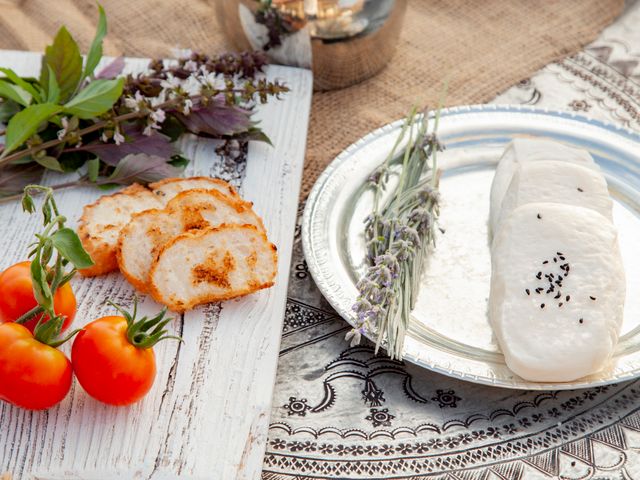
- Manakish are traditionally eaten with fresh vegetables (tomatoes, cucumbers, radishes), tangy labneh, or feta cheese on the side
Make ahead
You can prepare the dough up to 12 hours ahead: after the first rise, punch it down gently, cover it, and refrigerate. Remove it from the fridge 30 minutes before shaping, then proceed with shaping and baking. The cold rise actually deepens the flavor of the dough.
Storage & reheating
Store cooled manakish in an airtight container at room temperature for up to 1 day. Reheat wrapped in foil at 350°F (175°C) for 8–10 minutes until warm. Refrigerate for up to 3 days in an airtight container; reheat as above. Freeze baked manakish in a freezer bag for up to 1 month; thaw at room temperature and reheat as directed.
Substitutions
- bread flour (or all-purpose flour) → All-purpose flour. All-purpose flour will work, though the manakish will be slightly less chewy and have a finer crumb. Use the same weight (440g / 3½ cups).
- za'atar spice blend (mix of thyme, sumac, and sesame) → Homemade za'atar (2 tablespoons dried thyme, 1 tablespoon ground sumac, 1 tablespoon toasted sesame seeds, plus 1 teaspoon salt). If you cannot find za'atar blend, mix these three components. Toast the sesame seeds lightly in a dry pan first for maximum flavor.
- extra virgin olive oil → Regular olive oil or light olive oil. While less aromatic, regular olive oil works fine if you don't have extra virgin. Avoid vegetable oil, which lacks flavor.
- instant yeast → Active dry yeast (use 2½ teaspoons / 8g) or fresh yeast (use ½ oz / 14g). Instant yeast ferments slightly faster; active dry yeast may need an extra 5–10 minutes of rising time.
More manakish
See all →
Find more like this
- Meal
- Breakfast
- Cuisine
- Lebanese
- Method
- Oven
- Occasion
- Family Gatherings