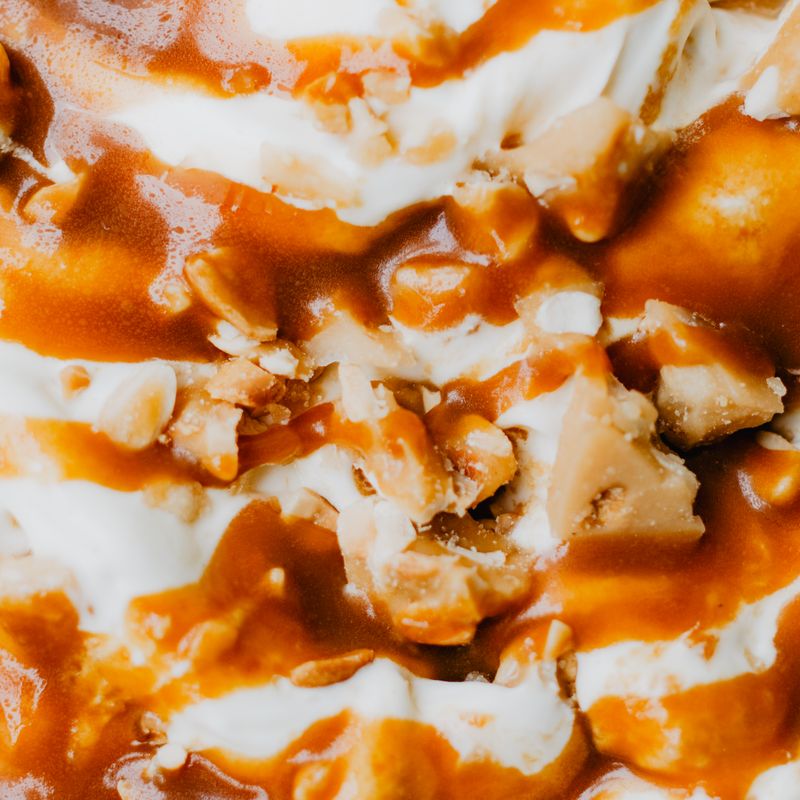
Classic Stovetop Butterscotch Pudding
Silky, deeply caramel-flavored pudding made from scratch with dark brown sugar, browned-sugar butter, and egg yolks. A pinch of salt and a splash of vanilla give it that true butterscotch depth.
- Prep
- 15 min
- Cook
- 15 min
- Wait
- 4 hr
- Total
- 4 hr 30 min
- Makes
- 6 puddings (about ½ cup / 120 ml each)
Steps
Before you start
- Measure and prep everything before you start; the sugar and custard steps move quickly.
- Separate the eggs and set a fine-mesh sieve over a medium bowl near the stove.
- Allow at least 4 hours for chilling, so make it in the morning for an evening dessert.
- Use a heavy-bottomed 3-quart (2.8 L) saucepan so the sugar and milk do not scorch.
Prep the station
- Place the egg yolks in a medium heatproof bowl.
- Set a fine-mesh sieve over a second bowl or large measuring cup.
- Measure 2 cups (480 ml) milk and the cream into a liquid measuring cup.
- In a small bowl, whisk the cornstarch into the remaining ½ cup (120 ml) cold milk until no lumps remain.
+ Show details− Hide details
Ready when: Cornstarch slurry looks smooth and milky with no gritty clumps.
Tip: Rewhisk the slurry right before adding it, since cornstarch settles quickly.
Melt butter and sugar
- In the 3-quart saucepan over medium heat, melt the butter.
- Add the brown sugar and salt and stir constantly with a silicone spatula.
- Cook for 3 to 4 minutes, until the mixture is bubbling, smells of toasted caramel, and looks glossy and slightly darker.
+ Show details− Hide details
Ready when: Mixture bubbles steadily across the surface and smells like caramel, not burnt.
Tip: If you see smoke or smell acrid sugar, start over. Burnt butterscotch tastes bitter.
Add the dairy
- Standing back slightly, slowly pour the milk and cream mixture into the sugar while whisking.
- The sugar will seize into clumps; this is normal.
- Keep whisking over medium heat for 2 to 3 minutes until the clumps dissolve and the liquid is smooth and steaming.
+ Show details− Hide details
Ready when: No sugar lumps remain and small bubbles form at the edges (about 180°F / 82°C).
Tip: Adding cold dairy to hot sugar makes it spatter, so pour slowly.
Thicken the base
- Whisk the cornstarch slurry again and pour it into the pot while whisking.
- Cook, whisking constantly and reaching into the corners, for 2 to 3 minutes.
- Bring to a gentle boil and let it bubble for 1 full minute so the starch cooks.
+ Show details− Hide details
Ready when: Thick enough to coat the back of a spoon, with slow, heavy bubbles that plop.
Tip: Do not skip the 1-minute boil, or the pudding may turn thin after chilling.
Temper the yolks
- Whisk the yolks lightly.
- While whisking constantly, slowly ladle about 1 cup (240 ml) of the hot pudding into the yolks in a thin stream.
- Whisk until smooth, then scrape the yolk mixture back into the saucepan.
+ Show details− Hide details
Ready when: Yolk mixture is smooth, warm and uniform with no scrambled bits.
Tip: Add the hot liquid gradually at first to avoid scrambling the eggs.
Cook the custard
- Return the pot to medium-low heat.
- Cook, whisking constantly, for 1 to 2 minutes, until the pudding is thick and a few slow bubbles break the surface.
- It should reach 180°F (82°C).
+ Show details− Hide details
Ready when: Pudding is thick like soft pastry cream and reads 180°F (82°C).
Tip: Do not let it boil hard after the yolks go in.
Strain and flavor
- Immediately pour the pudding through the sieve into the clean bowl, pressing with the spatula.
- Stir in the vanilla and bourbon, if using, until combined.
+ Show details− Hide details
Ready when: Pudding is completely smooth and glossy.
Tip: Stir in alcohol off the heat so the flavor is not cooked off.
Portion the pudding
- Divide the hot pudding among six ramekins or glasses, about ½ cup (120 ml) each.
- Press a piece of plastic wrap directly onto the surface of each to prevent a skin from forming.
+ Show details− Hide details
Ready when: Wrap touches the surface with no air gaps.
Chill until set
- Refrigerate the puddings for at least 4 hours, or overnight, until cold and fully set.
- Serve plain or with whipped cream and flaky salt.
+ Show details− Hide details
Ready when: Surface is cold and the pudding holds a soft, spoonable shape when jiggled.
Tip: Chill uncovered only after it's cold if you want a thin skin; otherwise leave the wrap on until serving.
Good to know
Tips
- Use a heavy pot and constant whisking to prevent scorching on the bottom.
- Always strain the pudding; it catches any small cooked egg bits for a silky texture.
- Press plastic wrap directly onto the surface to prevent a skin.
- Finish with a pinch of flaky sea salt to heighten the butterscotch flavor.
Make ahead
Make up to 2 days ahead and keep covered in the refrigerator. Add whipped cream just before serving.
Storage & reheating
Room temperature: do not leave out more than 2 hours. Refrigerator: up to 4 days, with plastic wrap pressed on the surface. Freezer: not recommended, as the texture turns grainy and watery. Serve cold; no reheating needed.
Substitutions
- dark brown sugar → light brown sugar. Gives a milder, less molasses-rich flavor.
- heavy cream → additional whole milk. Makes a lighter, less rich pudding.
- cornstarch → 4 tablespoons (32 g) all-purpose flour. Cook 2 extra minutes to remove raw flour taste; the texture is slightly heavier.
- bourbon or dark rum → additional vanilla extract. Use ½ teaspoon extra, or simply omit for a non-alcoholic dessert.
More puddings & custards
See all →

Find more like this
- Meal
- Dessert
- Cuisine
- American
- Main ingredient
- Eggs
- Method
- Stovetop
- Quick & Easy
- Make Ahead