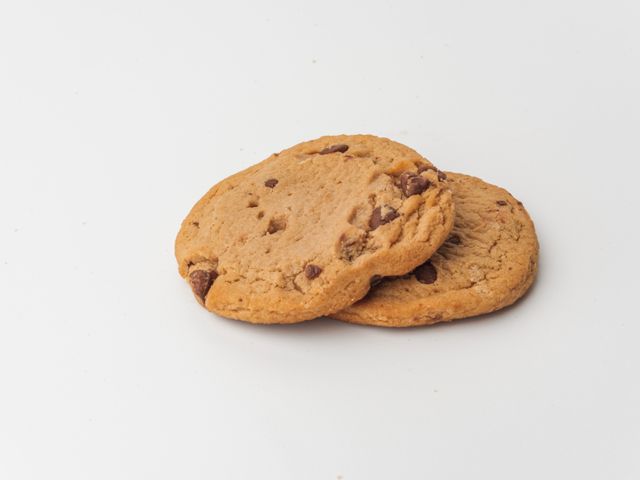
Classic Chocolate Crinkle Cookies
Fudgy, brownie-like chocolate cookies with soft centers and a snowy, cracked powdered sugar coating. The oil-based dough is mixed in one bowl, chilled until firm, then rolled and baked.
- Prep
- 30 min
- Cook
- 24 min
- Wait
- 2 hr 15 min
- Total
- 3 hr 9 min
- Makes
- 30 cookies
Steps
Before you start
- The dough must chill at least 2 hours, so start this recipe well before you want cookies. Overnight chilling also works.
- Take the eggs out of the fridge 30 minutes ahead so they blend smoothly with the oil and cocoa.
- Measure flour by spooning it into the cup and leveling it off, or weigh it. Scooping packs in extra flour and makes dry, cakey cookies.
- Preheat the oven during the last 15 minutes of chilling, not before.
Whisk dry ingredients
- In a medium bowl, whisk together the flour, baking powder, salt and espresso powder (if using) for 30 seconds until evenly combined.
- Set aside.
+ Show details− Hide details
Ready when: No streaks or clumps of baking powder remain.
Make chocolate base
- In a large bowl, whisk the granulated sugar, oil and cocoa powder for about 1 minute into a thick, glossy, sandy paste with no dry cocoa visible.
- Whisk in the eggs one at a time, mixing 20–30 seconds after each, then whisk in the vanilla.
+ Show details− Hide details
Ready when: The mixture is smooth, dark and glossy, like thick brownie batter.
Tip: Add the eggs one at a time. All at once can leave the oil separated and streaky.
Fold in flour
- Add the dry ingredients to the chocolate mixture.
- Switch to a flexible spatula and fold until no flour streaks remain, about 20 strokes.
- The dough will be soft and sticky, like thick brownie batter.
+ Show details− Hide details
Ready when: No dry flour pockets remain and the dough looks uniformly dark.
Tip: Stop mixing as soon as the flour disappears. Overmixing makes cookies tough.
Chill the dough
- Cover the bowl tightly with plastic wrap and refrigerate for at least 2 hours, or up to 48 hours.
+ Show details− Hide details
Ready when: The dough is firm and scoopable, no longer sticky or loose.
Tip: Skipping the chill gives you sticky dough that can't be rolled and cookies that spread flat.
Preheat and line pansOven 350°F / 175°C
- During the last 15 minutes of chilling, position racks in the upper and lower thirds of the oven and preheat to 350°F (175°C).
- Line two large baking sheets with parchment paper or silicone mats.
+ Show details− Hide details
Ready when: The oven has reached 350°F (175°C).
Portion and shape
- Scoop level tablespoons of dough (about 20 g each) and roll quickly between your palms into smooth balls.
- You should get about 30.
- Keep the remaining dough in the fridge while you work.
+ Show details− Hide details
Ready when: Balls are smooth and about 1 inch (2.5 cm) wide.
Tip: If the dough sticks to your hands, dust them lightly with powdered sugar.
Coat in powdered sugar
- Drop each ball into the bowl of powdered sugar and roll or toss until generously coated, with no dark dough showing.
- Place on the lined sheets 2 inches (5 cm) apart, about 15 per sheet.
+ Show details− Hide details
Ready when: Each ball is thickly white. A heavy coat creates the crinkles.
Tip: Don't pat off excess sugar. A thick coat splits into the classic cracks.
Bake the cookiesOven 350°F / 175°C
- Bake both sheets at 350°F (175°C) for 11–12 minutes, swapping and rotating the sheets halfway through.
- Cookies are done when the tops are puffed and deeply cracked and the edges look set, while the centers still look slightly soft.
+ Show details− Hide details
Ready when: Edges are set and cracks have formed; centers look soft but no longer wet and shiny.
Tip: Overbaking makes these dry because the dark dough hides browning. Go by the clock and the set edges.
Cool the cookies
- Let the cookies sit on the hot sheets for 5 minutes to firm up, then transfer with a spatula to a wire rack.
- Cool at least 10 more minutes before eating.
+ Show details− Hide details
Ready when: Cookies lift off the sheet in one piece and feel just firm on the edges.
Good to know
Tips
- Weigh the dough balls for even cookies and consistent baking times.
- Use fresh baking powder. It lifts the dough, and the rising surface splits the sugar coat into cracks.
- For extra-bold crinkles, roll the balls in powdered sugar twice, letting the first coat sit a minute.
- Bake one sheet at a time in the center of the oven if your oven has hot spots, and add about 1 minute.
Make ahead
Refrigerate the dough up to 48 hours before shaping. You can also roll the uncoated balls, freeze them on a tray until solid, then bag them for up to 3 months. Coat in powdered sugar and bake from frozen, adding 1–2 minutes.
Storage & reheating
Store in an airtight container at room temperature for up to 4 days, with parchment between layers so the sugar doesn't smear. Refrigerate up to 1 week. Freeze baked cookies up to 3 months and thaw at room temperature for 30 minutes. Re-dust with powdered sugar before serving if the coating has absorbed.
Substitutions
- vegetable oil → melted unsalted butter, cooled slightly. Gives richer flavor with a slightly less chewy, more tender texture. Use the same amount.
- unsweetened cocoa powder → Dutch-process cocoa powder. Makes a darker, smoother cookie. Both types work because baking powder is the leavener.
- instant espresso powder → omit. The espresso only deepens the chocolate flavor and the cookies are great without it.
- pure vanilla extract → peppermint extract (½ tsp) plus 1 tsp vanilla. For a mint-chocolate version.