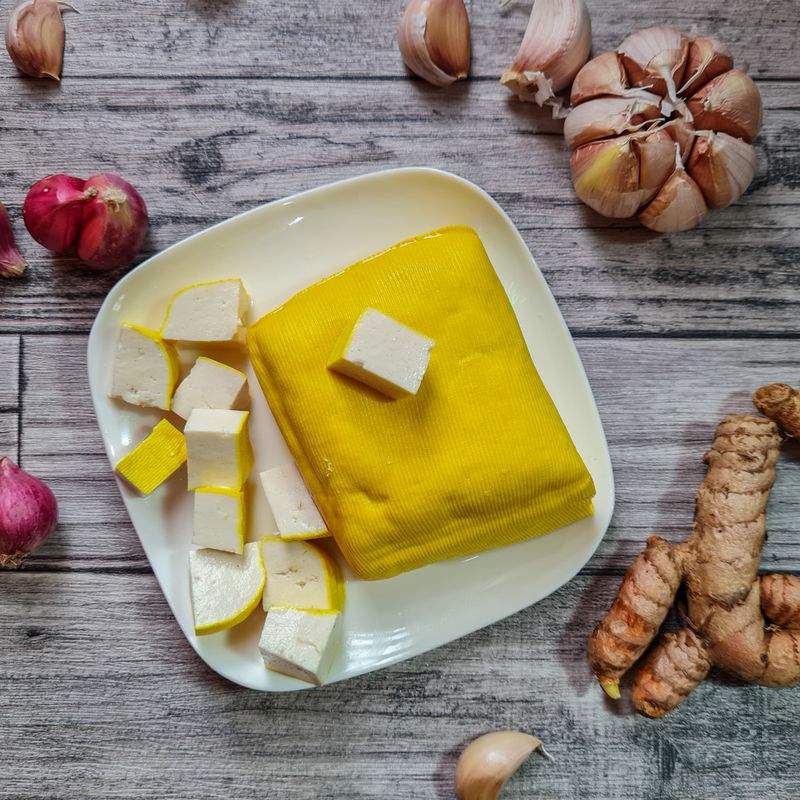
Vietnamese Turmeric Ginger Rice
Vietnamese Turmeric Ginger Rice is a vibrant, aromatic side dish that blooms turmeric, fresh ginger, and garlic in butter before stirring in jasmine rice and simmering it in a fragrant blend of coconut milk and water. The result is fluffy, golden grains with warm spice notes and a subtle tropical richness. Serve alongside curries, stir-fries, or grilled meats for an elegant, restaurant-quality accompaniment.
- Prep
- 10 min
- Cook
- 12 min
- Wait
- 25 min
- Total
- 47 min
- Makes
- 4 servings (about 4.5 cups cooked rice)
Steps
Before you start
- Rinse the jasmine rice in a fine-mesh strainer under cool water until the water runs mostly clear (optional but recommended for fluffier rice)
- Mince 1.5 tablespoons fresh ginger and 3 cloves garlic
- Measure out all ingredients and have them within reach
- Note that the rice simmers for 18–20 minutes, so plan accordingly
Toast aromatics with turmeric
- Melt the butter in a 2-quart saucepan over medium heat.
- Once melted and shimmering, add the minced ginger and garlic.
- Cook, stirring occasionally, for about 1 minute until very fragrant.
- Add the turmeric powder and stir constantly for 30 seconds to bloom the spice and distribute it evenly.
- Do not let it burn—the goal is to unlock the turmeric's warm, earthy flavor without introducing bitterness.
+ Show details− Hide details
Ready when: Ginger and garlic are very fragrant and turmeric is evenly distributed throughout the mixture
Tip: Blooming the turmeric in hot fat prevents a raw taste and distributes the spice evenly through the oil; this is a crucial step for vibrant flavor.
Add rice and stir
- Add the rinsed jasmine rice to the pan and stir constantly for about 2 minutes.
- Make sure every grain is coated with the turmeric-infused butter.
- The rice will begin to look slightly dry and take on a light golden hue.
+ Show details− Hide details
Ready when: Each grain of rice is evenly coated with the turmeric-infused butter and appears glossy
Tip: Toasting the rice ensures the grains stay separate during simmering and helps the flavors permeate each grain evenly.
Add liquid and boil
- Pour the water and full-fat coconut milk into the pan, stirring gently to combine.
- Add the salt and stir to distribute it evenly.
- The coconut milk may look slightly separated at first—this is normal and will blend as it heats.
- Increase the heat to medium-high and bring the mixture to a boil, stirring occasionally.
- You'll see large bubbles breaking the surface and steam rising visibly, which should take 3–5 minutes.
+ Show details− Hide details
Ready when: Liquid is at a rolling boil, large bubbles break the surface constantly, and steam rises visibly
Tip: Stir gently to dissolve the salt and help the coconut milk blend with the water. Don't worry if the coconut milk looks curdled—it will become creamy as the rice cooks and absorbs the liquid.
Reduce heat and cover
- Once the mixture is boiling, reduce the heat to low and place the lid snugly on the saucepan.
- Ensure the lid fits tightly to trap the steam, which is essential for even cooking.
- If your lid is loose, place a layer of aluminum foil between the pan and the lid for a better seal.
+ Show details− Hide details
Ready when: Saucepan is covered snugly with the lid
Tip: A tight seal prevents steam from escaping and ensures the rice cooks evenly; loose steam means dry, undercooked rice.
Simmer rice until liquid absorbed
- Let the rice cook undisturbed on low heat for 18–20 minutes.
- Do not stir, remove the lid, or peek during cooking—this releases precious steam and disrupts the steaming process.
- When done, all the liquid should be absorbed.
- You may see a few small bubbles around the edges, but there should be no pooling liquid at the bottom of the pan when you tilt it.
+ Show details− Hide details
Ready when: Rice grains are tender when bitten, and no liquid pools at the bottom of the pan when tilted
Tip: If after 18 minutes you still see liquid pooling at the bottom, cover and cook another 2–3 minutes. Patience here prevents mushy rice; constant stirring breaks down the starch and creates a gummy texture.
Let rice rest
- Turn off the heat and leave the saucepan covered and undisturbed for 5 minutes.
- This resting period allows any residual moisture to be absorbed by the rice and allows the grains to firm up slightly, making them easier to fluff without breaking.
+ Show details− Hide details
Ready when: 5 minutes have elapsed and steam has subsided within the covered pot
Tip: Resist the urge to remove the lid early; the residual heat and steam finish cooking the rice perfectly.
Fluff with fork and garnish
- Remove the lid and use a fork to gently fluff the rice, working from the bottom of the pan and breaking up any clumps that may have formed.
- Transfer to a serving dish or bowls.
- If desired, top with the thinly sliced green onions and fresh chopped cilantro for a pop of color and bright, fresh flavor.
+ Show details− Hide details
Ready when: Rice grains are separated and fluffy, garnishes are scattered on top
Tip: A fork is much gentler than a spoon and helps keep grains separate. Overmixing crushes the grains and releases starch, resulting in mushy rice.
Good to know
Tips
- Rinsing the jasmine rice is optional but recommended: It removes surface starch and results in grains that are more distinct and fluffy. Skip it only if you prefer stickier, creamier rice.
- Blooming the turmeric in hot butter or oil is essential: It unlocks the spice's warm, earthy flavors and prevents any raw, bitter taste. Just 30 seconds of stirring makes a noticeable difference.
- Resist peeking during the simmering step: Every time you lift the lid, precious steam escapes and the rice cooks unevenly. Set a timer and trust the timing.
- Leftover turmeric rice is excellent for fried rice: Cool it completely, refrigerate it overnight, then stir-fry it with vegetables, scrambled eggs, soy sauce, and sesame oil for a quick, flavorful lunch the next day.
Make ahead
The minced ginger, garlic, and turmeric can be prepared up to 1 day ahead and stored separately in airtight containers in the refrigerator. The jasmine rice can be rinsed and dried ahead of time. However, this rice is best cooked fresh and served warm on the same day.
Storage & reheating
Room temperature: Store leftover turmeric rice in an airtight container for up to 2 hours. Reheat by adding a splash of water and warming in a covered skillet over medium-low heat for 3–5 minutes, stirring gently. Refrigerator: Store in an airtight container for up to 3–4 days. Reheat with a splash of water in a skillet over medium-low heat for 4–5 minutes, or microwave in a bowl covered with a damp paper towel for 2–3 minutes, stirring halfway. Freezer: Cooked rice can be frozen for up to 1 month, though the texture and coconut milk separation may be slightly different upon thawing. Thaw in the refrigerator overnight and reheat as directed above.
Substitutions
- turmeric powder → Fresh turmeric root. Use 2–3 teaspoons (15–20g) of grated fresh turmeric instead of powder. Add it with the ginger in Step 1. Fresh turmeric provides a warmer, slightly less bitter flavor than the powder form.
- full-fat coconut milk → Heavy cream or half-and-half. Use 1 can (400 ml) of heavy cream instead of coconut milk for a richer, more neutral cream flavor. The rice will be creamier but less distinctly Southeast Asian in character.
- jasmine rice, uncooked → Basmati rice or long-grain white rice. These varieties have slightly different cooking times and may require an extra 2–3 minutes of simmering. Basmati produces grains that are more separate; jasmine naturally stickier.
- fresh ginger → Ground ginger powder. Use 1 teaspoon (3g) of dried ground ginger instead of fresh. Add it with the turmeric in Step 1. Dried ginger is more concentrated and pungent, so start with 1 teaspoon and adjust to taste.
More pilaf
See all →



Find more like this
- Meal
- Dinner
- Cuisine
- Vietnamese
- Main ingredient
- Rice
- Method
- Stovetop