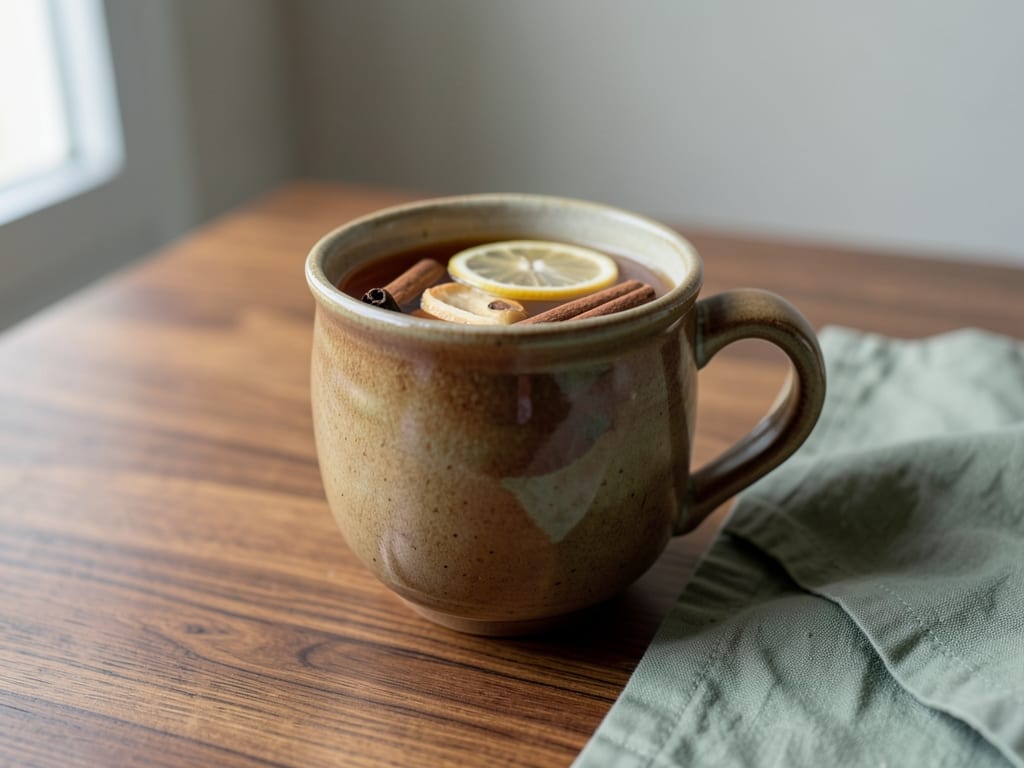
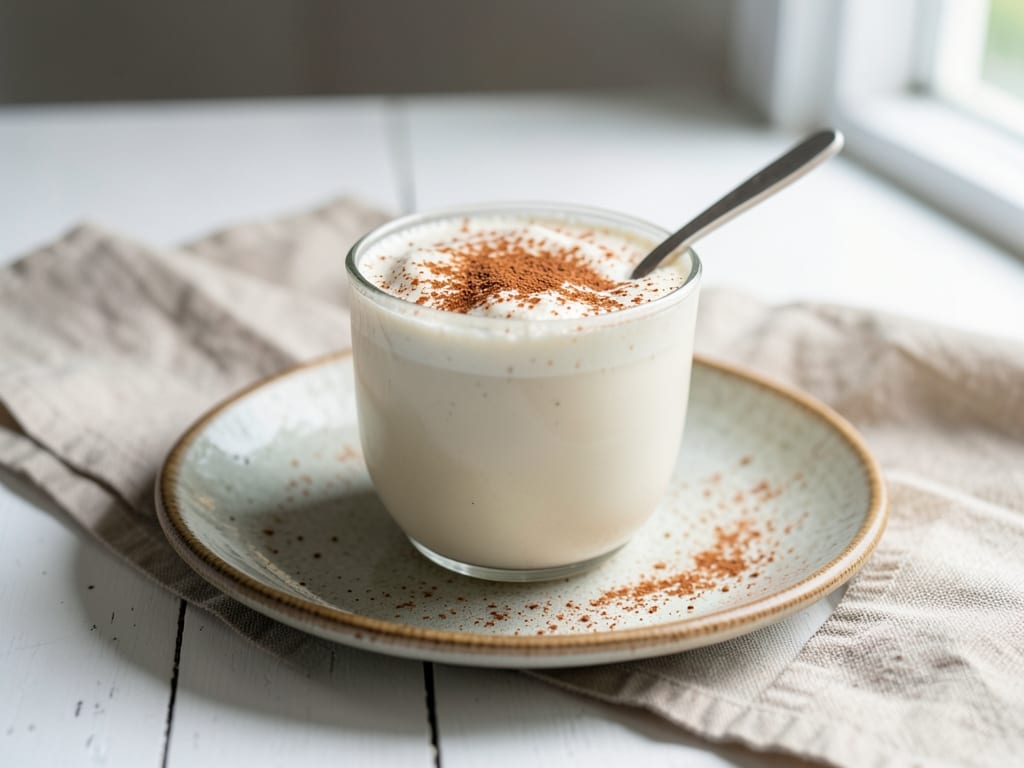
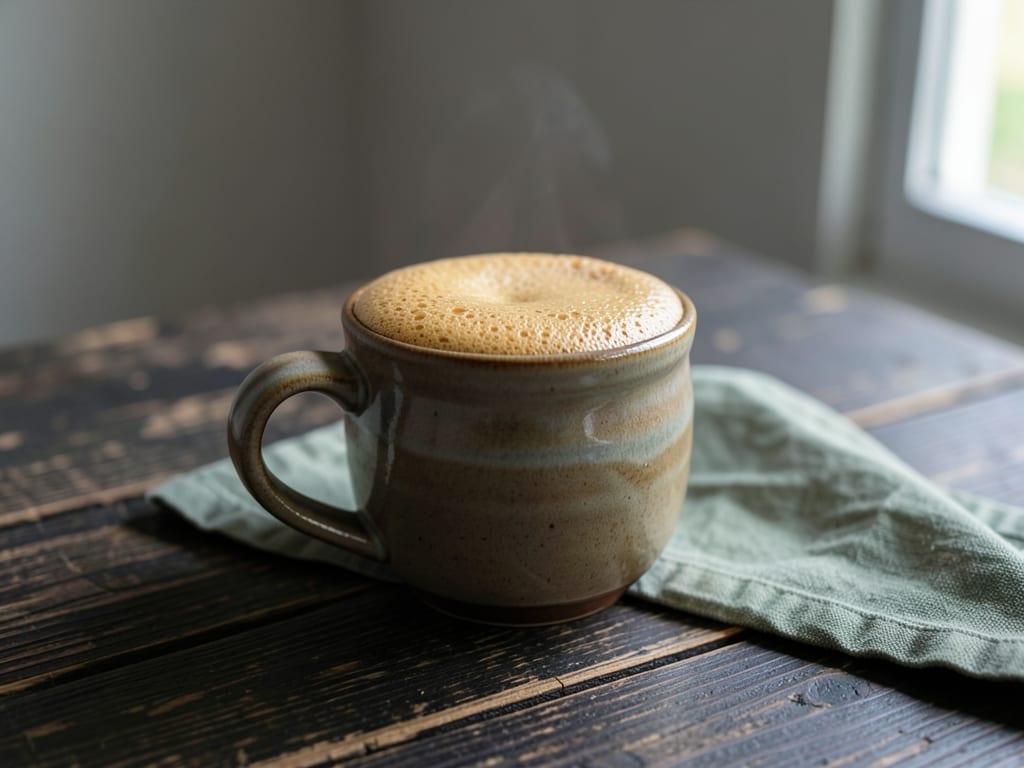
Turkish Delight Tea with Rose & Mastic
A fragrant, lightly sweet tea inspired by Turkish café traditions, combining dried rose petals with the distinctive piney aroma of mastic resin. The mastic is cracked and steeped to release its oils, creating a subtly floral, warming beverage finished with honey. Perfect as an afternoon pick-me-up or a meditative evening drink. Naturally caffeine-free and deeply aromatic.
Steps
Before you start
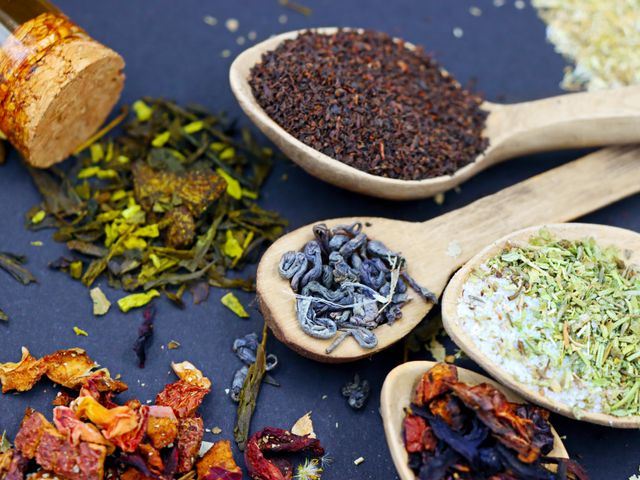
- Use whole, high-quality dried rose petals from a tea supplier or Persian market—not craft or ornamental petals
- Mastic resin (mastiha) is sold in small packages at Middle Eastern or Turkish grocery stores; buy fresh and store in an airtight container away from light
- Use filtered water if your tap water is heavily chlorinated, as it will mask the delicate rose and mastic flavors
- Have honey and serving cups ready before you begin
Crack the mastic
- Using a mortar and pestle (or the back of a spoon in a small cup), lightly crack the small pieces of mastic resin into 2–4 pieces each.
- You want to break the surface so steam can extract the aromatic oils, but you don't need to crush it into powder.
- This takes about 1 minute.
+ Show details− Hide details
Ready when: Mastic pieces are visibly cracked and release a strong piney, resinous aroma
Tip: Don't pulverize the mastic—small cracks are enough. If you grind it to powder, it will become too fine and muddy the tea's clarity
Heat waterOven 210°F / 100°C
- Fill a kettle with filtered water and heat until it reaches 200–210°F (93–99°C)—it should be steaming visibly but not rolling at a boil.
- If you don't have a thermometer, let boiling water cool for about 30 seconds off the heat.
- Overheating will scald the delicate rose petals and create a bitter, harsh flavor.
+ Show details− Hide details
Ready when: Water is steaming and registers 200–210°F (93–99°C), or has cooled for 30 seconds after a rolling boil
Tip: Using water that's too hot will make the rose taste papery or bitter; just-below-boiling is ideal for floral teas
Combine ingredients in teapot
- Place the cracked mastic and dried rose petals in a teapot or heat-safe pitcher.
- Pour the just-below-boiling water over them.
- You'll see the rose petals begin to unfurl and the mastic pieces will start to soften.
- Give it a gentle stir to distribute the solids.
+ Show details− Hide details
Ready when: Mastic and rose petals are submerged; the water is fragrant and shows the first color from the petals
Tip: If using a delicate teapot, warm it first by rinsing with hot water—this prevents thermal shock and keeps the tea hotter longer
Steep and infuse
- Let the tea steep without a lid for 6–7 minutes at room temperature.
- The water will take on a pale pink-amber hue as the rose releases its color and flavor.
- The mastic will soften and release its piney, slightly citrusy aroma.
- You should smell a complex, aromatic blend of floral and resinous notes.
+ Show details− Hide details
Ready when: Tea is pale pink-amber, smells distinctly of rose and mastic, and the rose petals have softened and expanded
Tip: Avoid over-steeping (more than 8 minutes), which can make the rose taste dry or the mastic overly prominent and resinous
Strain and serve
- Place a fine-mesh strainer over a teacup and carefully pour the tea through it into 2 cups, dividing evenly.
- The strainer will catch the softened rose petals and mastic pieces.
- Discard the solids.
- If desired, stir in about ½–1 tablespoon (7–14 g) of honey per cup to add a gentle sweetness that complements the floral and resinous notes.
- Stir gently and serve immediately while warm.
+ Show details− Hide details
Ready when: Tea is poured into cups, clear of sediment, and honey (if using) is fully dissolved
Tip: Add honey after straining so you can control sweetness exactly. Some prefer this tea unsweetened to appreciate the subtle floral and resinous complexity
Good to know
Tips
- Quality rose petals are essential—seek out loose dried petals from specialty tea shops, Persian grocers, or Turkish markets. Avoid pre-bagged rose tea blends that often contain filler herbs; you want pure petals
- Mastic resin is sold by weight and a little goes a long way. Store it in an airtight jar at room temperature away from direct sunlight; it will last for months and stay fragrant
- This tea pairs beautifully with Turkish delight (lokum), pistachio pastries, or almond biscuits in the afternoon—the honey and floral notes complement these treats
- For a larger batch, multiply the ingredients by the number of servings and steep in the same ratio; the steeping time remains 6–7 minutes regardless of quantity
Storage & reheating
This tea is best served fresh. If you prepare a batch ahead, store cooled tea in a glass bottle in the refrigerator for up to 2 days. Reheat gently in a saucepan over medium-low heat without boiling. The rose and mastic flavors fade noticeably by day 3.
Substitutions
- dried rose petals → dried hibiscus petals or dried chamomile flowers (adjust to 1½ teaspoons / 2 g if using hibiscus, which is more assertive). Hibiscus or chamomile will shift the flavor profile away from floral elegance toward tartness or herbal comfort; the tea will no longer be authentically Turkish Delight
- mastic resin (mastiha) → a pinch of ground anise seed or fennel seed (¼ teaspoon / 0.3 g), or omit entirely. Anise gives a licorice note that approximates mastic's piney uniqueness but is less aromatic and more familiar. Mastic is difficult to replace authentically
- honey → light agave syrup or white sugar (same amount by weight). Agave and sugar are neutral sweeteners; honey adds floral notes that enhance rose and mastic. Sugar will make the tea taste sharper; agave is milder
- hot water → brewed white tea or chamomile tea (cooled to 200–210°F / 93–99°C, then used in place of plain water). White tea will add a subtle background sweetness; chamomile will create an herbal blend. These shift the tea's character but can be delightful