Spanish Seafood and Saffron Chowder
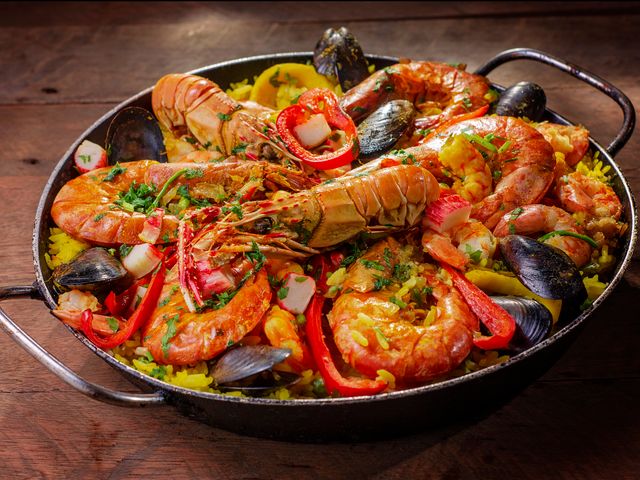
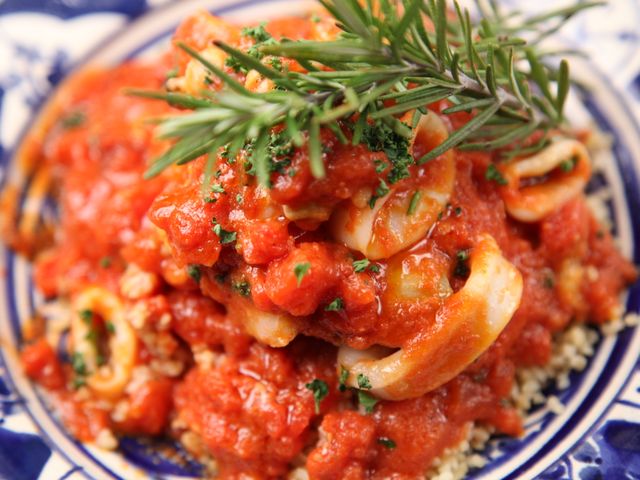
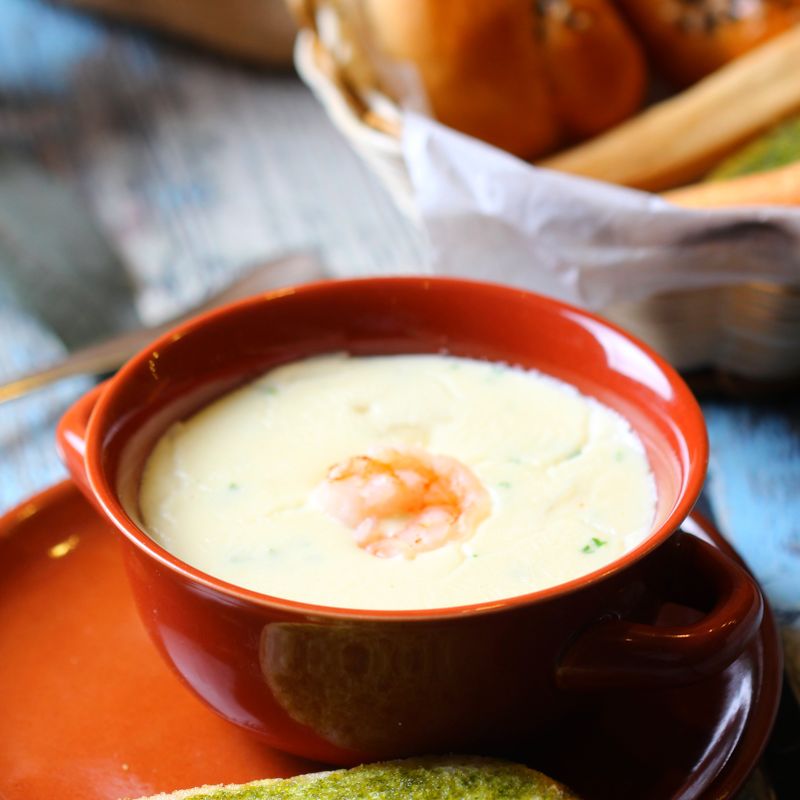
A vibrant stovetop chowder showcasing fresh cod, shrimp, and mussels in a fragrant saffron-infused broth with roasted peppers, white wine, and tomatoes. Quick-cooking shellfish stays tender while the aromatic base develops deep, complex flavors inspired by Spanish seafood traditions.
- Prep
- 20 min
- Cook
- 35 min
- Wait
- 5 min
- Total
- 1 hr
- Makes
- 4 servings (about 10 cups total)
Steps
Before you start
- Check that all seafood is fresh and cold—purchase within hours of cooking if possible
- Have the broth prepped and saffron steeped before adding seafood (shellfish cooks very quickly)
- Ensure mussels are closed; discard any that won't close when tapped
- Have a colander nearby to drain seafood if needed
Steep saffron threads
- Pour the ¼ cup (60 ml) of hot water into a small bowl or cup.
- Add the saffron threads and let steep for 5 minutes to release their color, flavor, and aroma.
- This infusion will be stirred into the chowder.
+ Show details− Hide details
Ready when: Water turns golden yellow
Tip: Do not boil the water; very hot (but not boiling) preserves the saffron's delicate flavor.
Sauté aromatics and pepper
- Heat 3 tablespoons (45 ml) olive oil in a large heavy-bottomed pot or Dutch oven over medium heat.
- Add the diced yellow onion (about 150 g) and fennel (about 100 g, core removed).
- Cook, stirring occasionally, for 4–5 minutes until softened and fragrant.
- Add the minced garlic (about 20 g, 4 cloves) and cook for another minute until just golden.
- Stir in the red bell pepper strips and cook for 2 more minutes.
+ Show details− Hide details
Ready when: Onion and fennel are soft and translucent; garlic is fragrant and pale golden
Tip: Don't brown the garlic or it will turn bitter—lower the heat if needed.
Deglaze with white wine
- Pour in 1 cup (240 ml) of dry white wine and stir, scraping the bottom of the pot to loosen any browned bits.
- Let the wine simmer for 2–3 minutes so the alcohol cooks off and the aroma becomes mellow.
+ Show details− Hide details
Ready when: Wine reduces slightly and raw alcohol smell fades
Tip: Use a wine you'd drink—avoid 'cooking wine' with added salt.
Add tomatoes and stock
- Stir in the canned diced tomatoes (about 410 g) with their juice and 4 cups (960 ml) of fish or seafood stock.
- Bring the mixture to a gentle simmer over medium-high heat, then lower the heat to maintain a steady, gentle simmer (don't let it boil hard).
+ Show details− Hide details
Ready when: Liquid reaches a gentle simmer with small, regular bubbles at the surface
Tip: A gentle simmer prevents the seafood from becoming tough when added later.
Season with spices
- Stir in the steeped saffron and its golden infusion (from step 1), smoked paprika (1 teaspoon, about 3 g), and red pepper flakes if desired (⅛ teaspoon, about 0.3 g).
- Season with sea salt and freshly ground black pepper to taste.
- Let the broth simmer for 3–4 minutes so the flavors meld.
+ Show details− Hide details
Ready when: Broth is evenly colored golden-yellow and aromatic
Tip: Taste the broth now and adjust salt before adding seafood—it's harder to correct once the fish is in.
Add cod
- Gently stir the cod chunks (about 450 g, 1 lb, skin removed and cut into 1½-inch pieces) into the simmering broth.
- Maintain a gentle simmer.
- The cod will begin to turn opaque and flake at the edges after 3–4 minutes.
+ Show details− Hide details
Ready when: Cod pieces are mostly opaque and flake easily when tested with a fork; thickest piece reads 145°F (63°C) at the center
Tip: Don't stir too much or the cod will break apart—use a gentle hand and wide spatula.
Add shrimp and mussels
- Add the peeled and deveined shrimp (about 340 g, ¾ lb) and cleaned, debearded mussels (about 450 g, 1 lb) directly to the pot.
- Stir gently to distribute them.
- Maintain a gentle simmer, uncovered.
+ Show details− Hide details
Tip: Add shrimp and mussels last because they cook very quickly (3–4 minutes total) and will turn rubbery if overcooked.
Cook shellfish until done
- Simmer for 3–4 minutes, stirring very gently once halfway through.
- The shrimp will turn bright pink and opaque, and the mussel shells will open.
- Discard any mussels that don't open after 4 minutes (they were likely dead).
+ Show details− Hide details
Ready when: Shrimp are bright pink and opaque; mussel shells are fully open; shrimp register 120°F (49°C) at the thickest part
Tip: Overcooked shrimp becomes tough and rubbery—remove the pot from heat the moment they turn opaque.
Finish and serve
- Remove from heat.
- Taste the chowder and adjust salt and black pepper if needed.
- Ladle into warm bowls, dividing the seafood evenly.
- Garnish generously with fresh chopped flat-leaf parsley (about 15 g, ¼ cup total) and serve each bowl with a lemon wedge on the side.
+ Show details− Hide details
Tip: Squeeze fresh lemon juice over the chowder just before eating to brighten the saffron and seafood flavors.
Good to know
Tips
- Use the freshest seafood you can find, purchased the day of cooking. Ask the fishmonger to remove the skin from the cod and to verify that all mussels are alive and tightly closed.
- If your fish stock has a very strong flavor, thin it slightly with water so it doesn't overpower the delicate saffron. A neutral, clean-tasting broth is essential here.
- Spanish seafood chowders are often served with a side of aioli or rouille for swirling into each bowl. Mix 2–3 tablespoons of mayonnaise with 1 minced garlic clove and a pinch of saffron threads for an optional garnish.
- For a deeper, richer broth, reserve the shrimp shells before peeling and simmer them in the broth for 5 minutes before removing them (strain through a fine-mesh sieve). Remove the shells before adding the shrimp meat.
Storage & reheating
Chowder keeps refrigerated in an airtight container for up to 2 days (shellfish is best eaten the day it's cooked). Do not freeze the completed chowder because the seafood texture will suffer. Reheat gently over medium heat, stirring occasionally, until just steaming; do not let it simmer hard or the fish will overcook further.
Substitutions
- fresh cod fillet → Halibut, haddock, or firm white fish fillets. Choose dense, white, mild fish so the flavor balance stays true to the saffron and tomato base.
- littleneck mussels → Littleneck clams or a mix of clams and mussels. Adjust cooking time slightly if using all clams; they may take 1–2 minutes longer to open.
- dry white wine (such as Sauvignon Blanc or Albariño) → Dry vermouth or additional fish stock with a squeeze of lemon. Vermouth adds botanical notes that work well with saffron; omitting wine entirely will make the broth less complex.
- fish or seafood stock → Chicken stock or vegetable stock with a handful of shrimp shells simmered for 5 minutes. Fish stock is preferred for its clean, mineral flavor, but a lighter stock works if simmered with seafood scraps for depth.